
PAYTE
Extension Architect Lambeth
Principal Designer & Higher Risk Building Expert
Our Lambeth architects have extensive experience in extension architecture, specialising in loft conversions, basement extensions, bespoke extensions, rear extensions, two-storey and single-storey extensions, contemporary designs, double-storey extensions, Mansard roof extensions, and ground-floor extensions.



house extension architect Lambeth
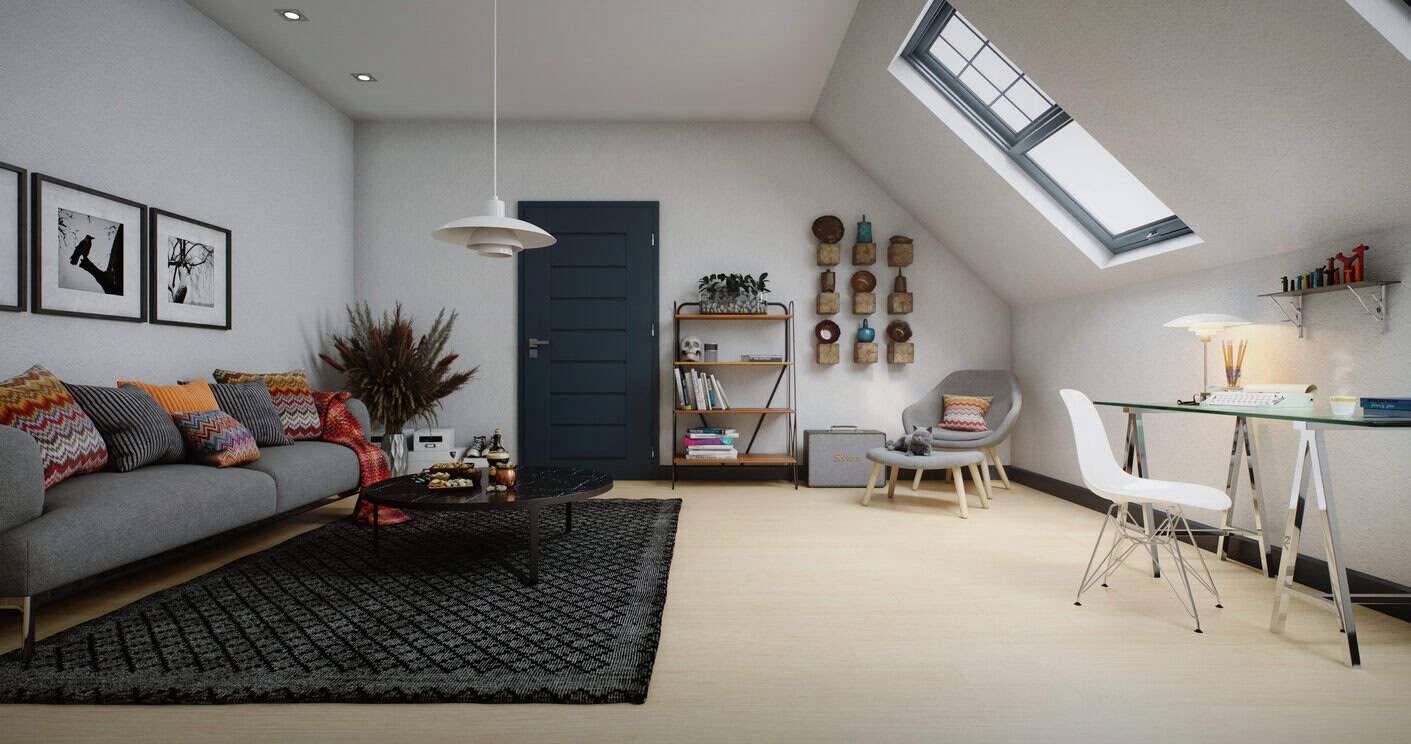
Our firm specialises in house architecture in Lambeth, most commonly Victorian houses. We take pride in helping our clients enhance their property value while optimising space. We create bespoke designs and contemporary design extensions with interior reconfigurations to maximize natural light and extra space. Our creative design team elevates the planning process to a new level.
As a leading architectural practice, we specialize in helping homeowners navigate the planning process, building regulations, planning permissions, party walls, and building control. Our experienced team handles all regulatory challenges in extension projects, making your home’s transformation seamless and stress-free.
We carry out architectural work for rear, wraparound, side return, or infill extensions to best suit your space and increase its value. We begin with our design process, initial drawings, structural calculations, and 3D visualisations to assist clients in visualising the transformation, alongside a precise scope of work for the building contractor. Let us help expand your floor space and elevate your property’s worth. Our expertise ensures that each project is expertly designed to meet your specific needs.
Being an experienced South London extension architect, we deliver bespoke residential design solutions tailored to the character, planning context, and long-term value of each home.
apartment Extension architects

We specialise in providing comprehensive design and architectural services for apartment extensions in Lambeth. Our offerings include detailed planning advice, design layout changes, custom joinery, and regulatory drawing preparations. Whether you are looking to completely revamp your apartment’s layout or to implement specific modifications, we manage every aspect of the project.
Our services encompass the entire process, from securing planning permission and building approvals to obtaining landlord consents and the necessary license to alter documentation. We also handle all planning applications ourselves.
Additionally, we offer project management as part of our complete service package. Our architectural service ensures a seamless transformation of your space, enhancing both functionality and aesthetics to create modern, stylish living environments.
As the finest house extension architects london has to offer, we design thoughtful, well-considered house extensions tailored to each property’s character, planning context, and long-term value.
extension conversion package
3 Meter rear extensions package
£60,000.00 INC. VAT
What’s included:
6 Meter rear extensions package
£104,700.00 INC. VAT
What’s included:
At Payte Architects London, our rear extension service is about making it simple to gain more space without losing control of cost or complexity. With over 10 years’ experience on Lambeth homes, we offer two fixed‑price packages at three and six metres (including VAT), so you choose how far to extend and we handle design, approvals and on‑site work up to first fix.
You’ll work with a friendly architectural team that actually picks up the phone. All architectural work is carried out by architects registered with the Architects Registration Board (ARB) or chartered with the Royal Institute of British Architects (RIBA), and we coordinate closely with our dedicated extension build team so design and construction stay joined‑up from day one.
We take care of the planning route – from Lawful Development Certificates for three‑metre projects to prior‑approval applications for six‑metre schemes – using our experience with boroughs such as Haringey Council’s planning team, Lambeth Council’s planning service and Brent Council planning to shape proposals around what local councils typically support.
Throughout, we keep communication simple and regular so you always know where your project is and what’s coming next, aiming for a bright, well‑built Lambeth extension that quickly becomes the main room everyone uses.
Exclusions
This package is not applicable to property where you need planning permission or listed building consent, or if there is an article 4 on your property.
In addition to the above, the following exclusion applies:
- Party wall award
- Building control fees
- Any specialist consultants
- Asbestos removal fees
- Finishing (sanitary ware, tiling, floor finishing, wall finishing, joinery).
- Party wall award
- Building control fees
- Any specialist consultants
- Asbestos removal fees
- Finishing (sanitary ware, tiling, floor finishing, wall finishing, joinery).
ARRANGE A FREE CONSULTATION
Arrange a free consultation with our high end architects, we offer clients a 30 minute consultation.
FREE NO OBLIGATION CONSULTATION
VIRTUAL CONSULTATION AVAILABLE
ON SITE CONSULTATION AVAILABLE
Innovative Lambeth Extensions Crafted with Exceptional Architecture
Our Lambeth architects create smart, sustainable extensions that suit your space perfectly.
Wraparound
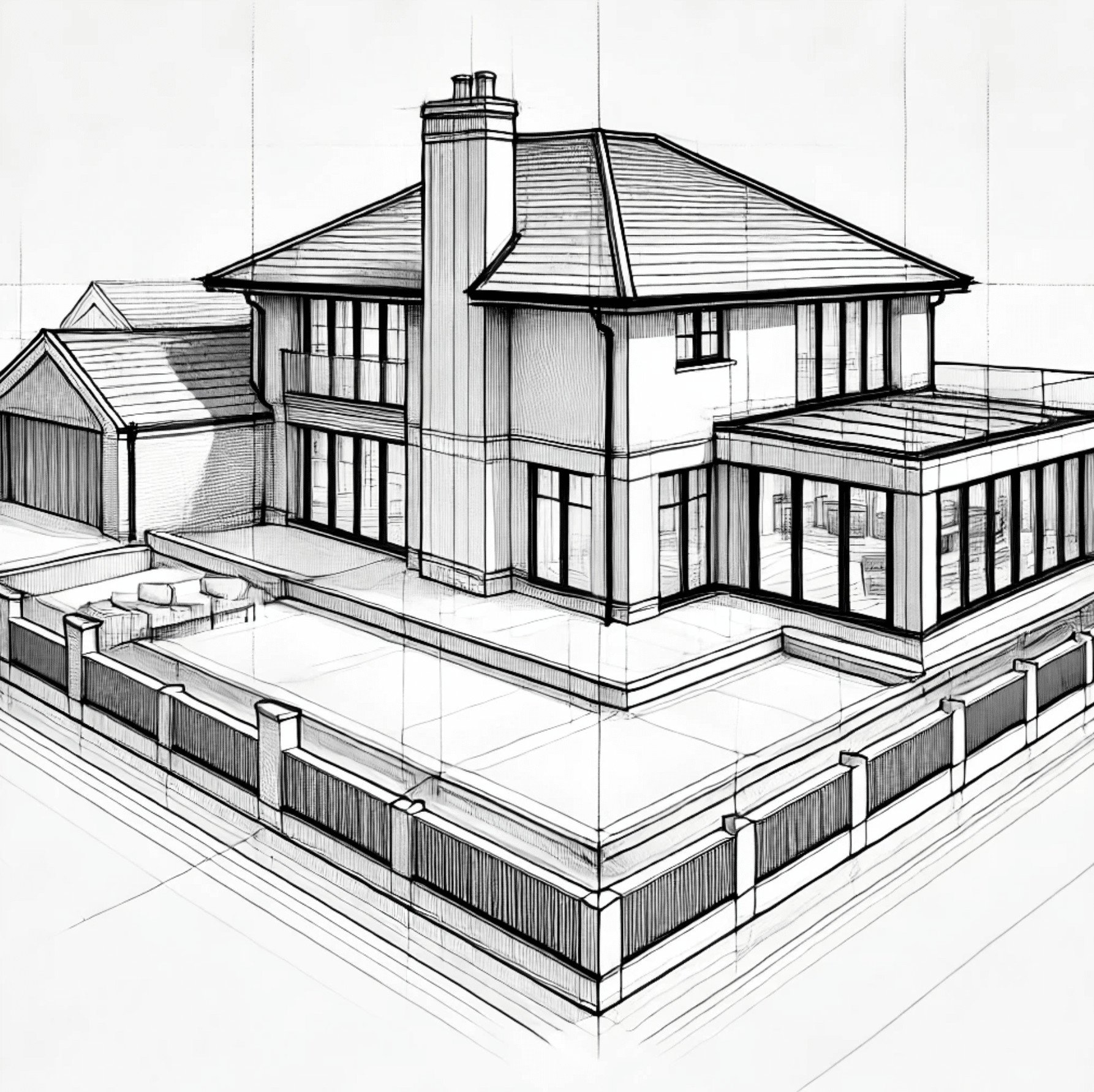
We specialise in wrap-around extensions. This is a popular way to expand and transform properties. This extension combines a rear and side addition. It creates an L-shape that expands ground-floor space. This is ideal for open-plan kitchens, living spaces, or adaptable rooms that fit modern lifestyles. We handle everything from design and planning permission to construction.
Single Storey
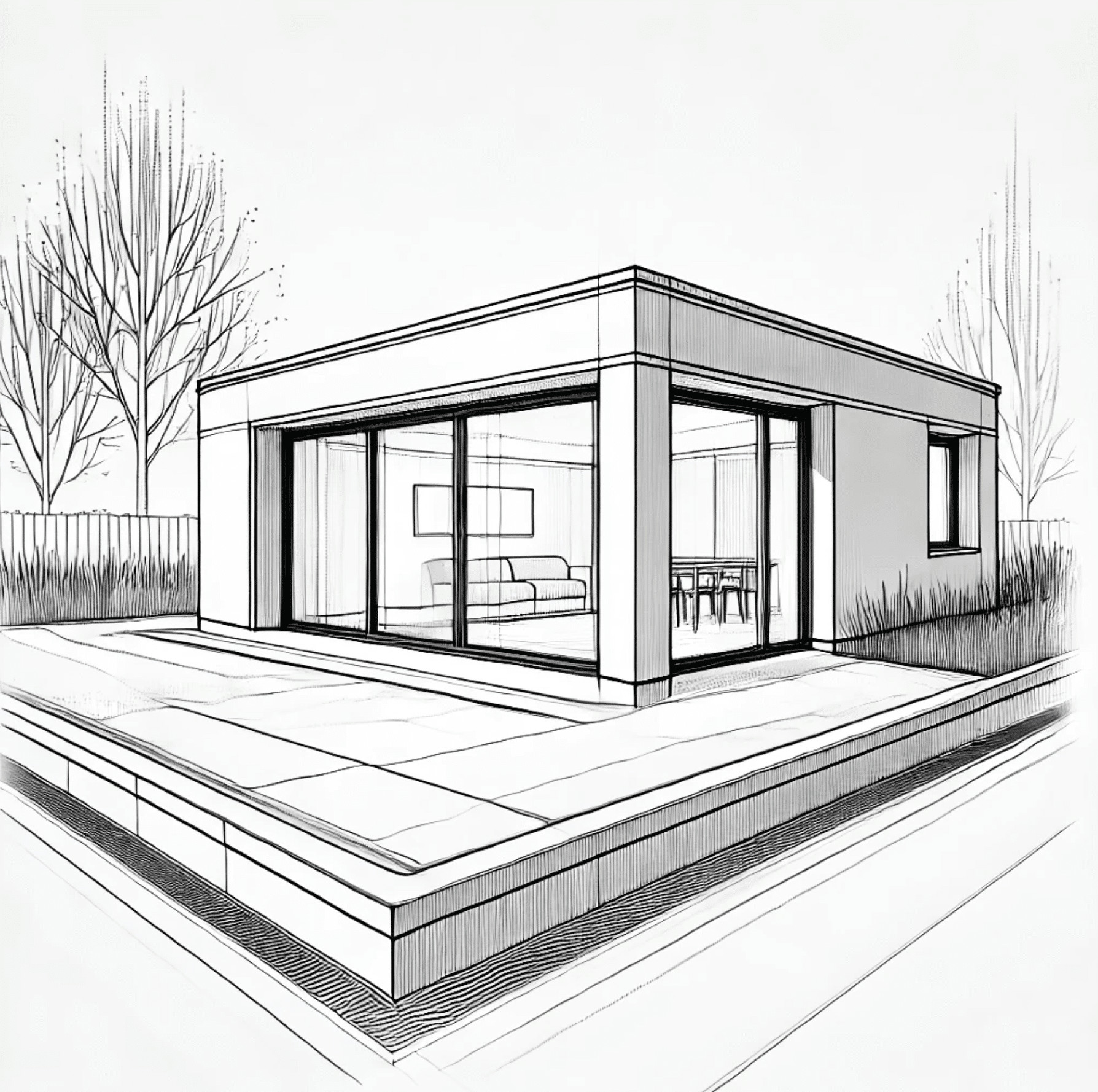
A single-storey extension can really boost space in your Lambeth property. It can be added to the back or side of the property. This addition offers more space for a modern kitchen, a living area, or a home office. This extension improves the flow inside and makes the property more practical. Our architectural team makes it easy for you to get great results that suit your property.
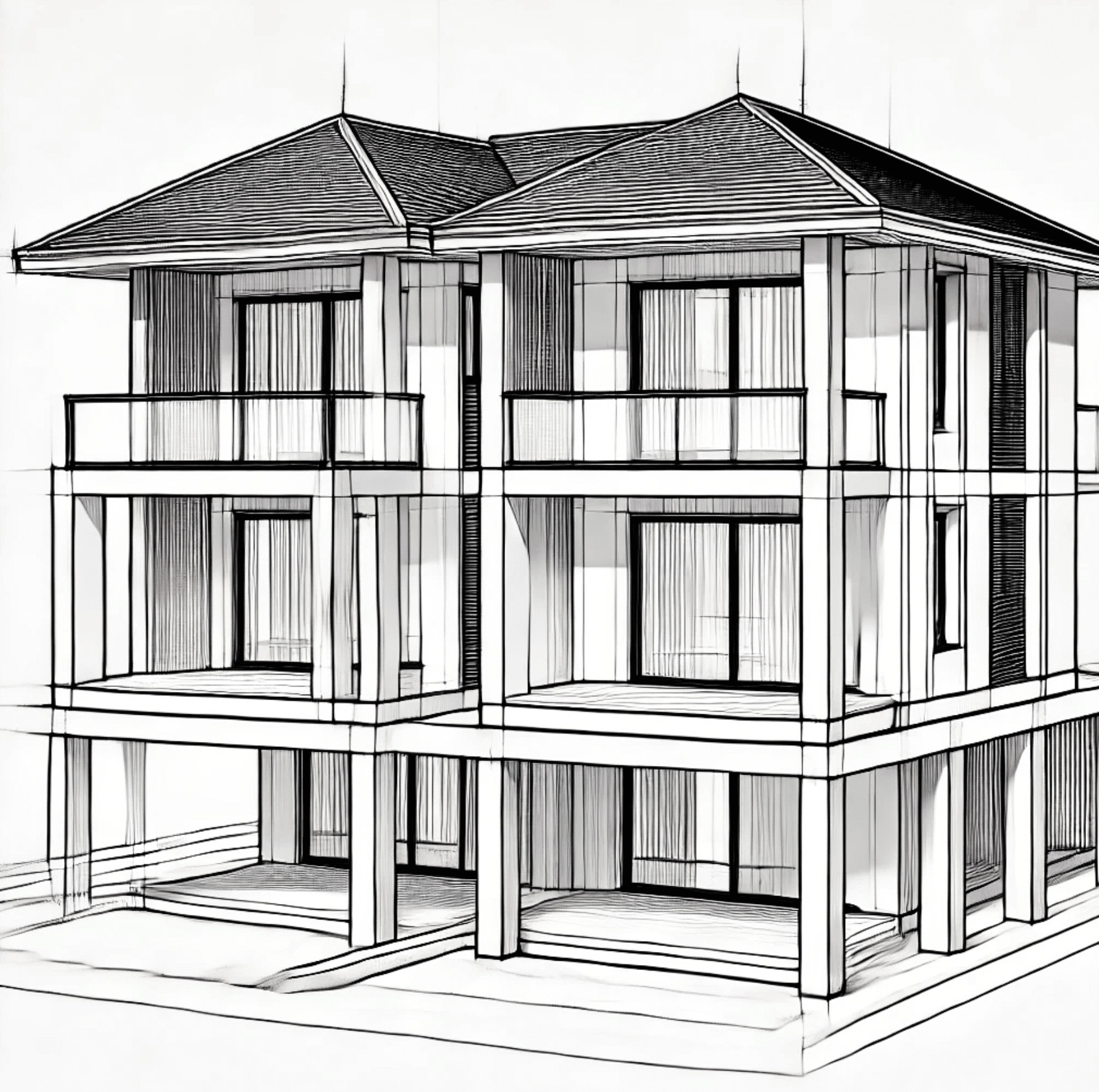
Multi Storey
A multi-storey extension in Lambeth can provide a lot of space. You can use it for extra bedrooms, bigger living areas, or more bathrooms. Building up on your property lets you make the most of it without losing any garden space. We take care of everything. This includes planning, permissions, and construction. We ensure your extension fits well with the current architecture.
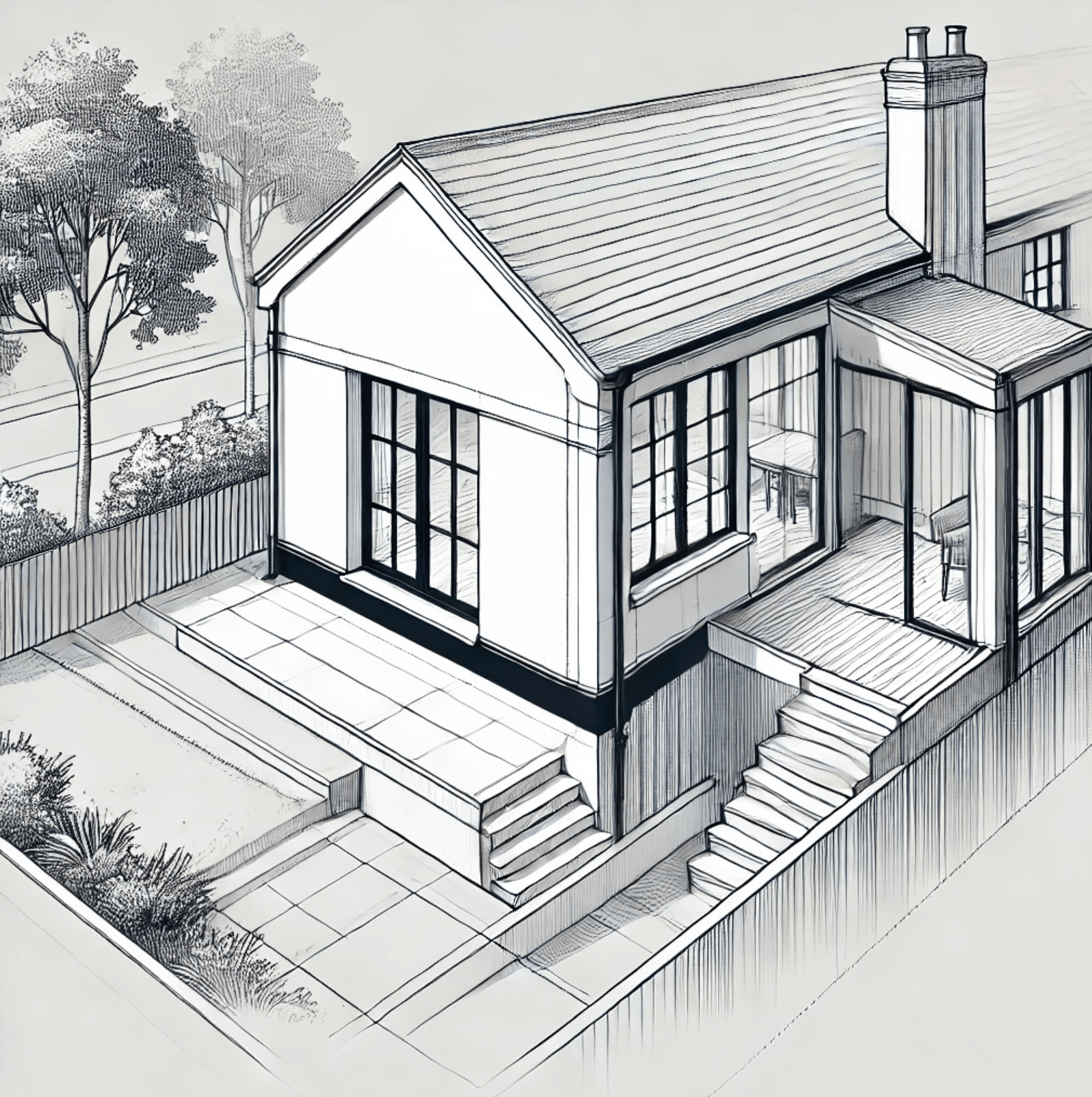
Side Return
A side return extension utilises the unused space beside your home. You often find this addon in Victorian and Edwardian buildings in Lambeth. Clients can extend into this narrow area to make a wider, open-plan kitchen. This change will let in more natural light. Our architects are experts in side return extensions. These designs boost functionality and add to the property’s value.
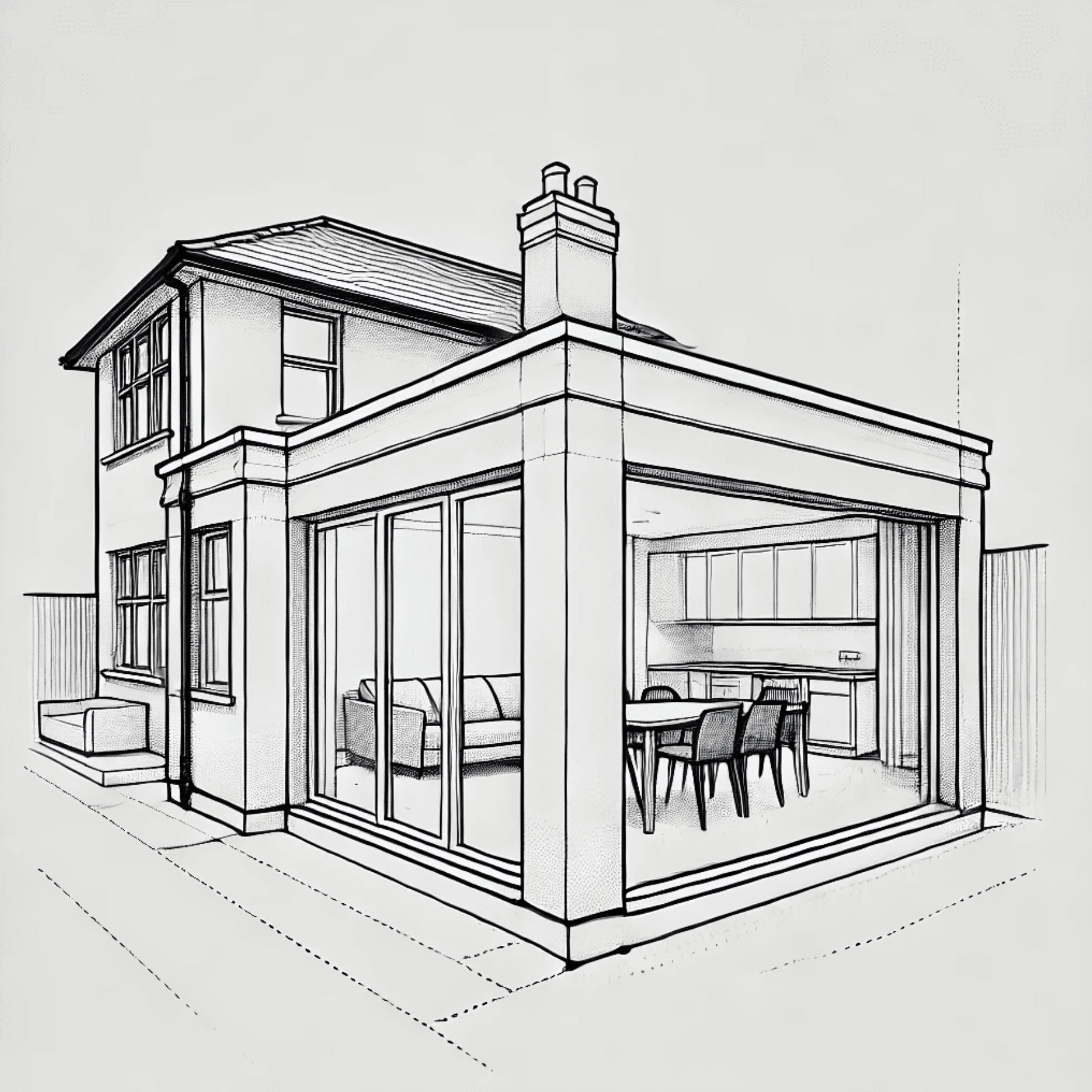
Rear Extension
A rear extension expands the back of your property. This gives you room for an open-plan kitchen, a larger dining area, or a more spacious living room. This is ideal for clients looking to improve their ground floor. These extensions boost natural light and link indoor and outdoor spaces smoothly. We create rear extensions that match your home’s style. They also boost efficiency and value.
Seamless Lambeth Home Extensions from Concept to Completion
Our team of architects, designers, and builders in Lambeth creates stylish and practical home extensions. We handle each stage, from the first meeting to the final build, with care and precision.
Free Initial Consultation
In your 30-minute free consultation, we’ll discuss your project vision, design choices, size, and budget for the extension. This process ensures that we can align your ideas with the practical aspects of the project with accuracy.
Full Architecture Service
We offer bespoke services for home extensions. This features on-site assessments, detailed drawings, 3D visualisations, planning applications, and tender management. We customise each service to meet your unique needs.
Planning & Permissions
Our Lambeth architects focus on extension planning. Our professional practice handles it all, from the initial idea to final approval. We carefully find ways to handle local rules, stay within zoning laws, and meet building codes.
Complete Building Works
We’re a full-service architecture firm that specialises in extensions. We have in-house architects, interior designers, and building contractors. Our team ensure easy collaboration, guiding your project till its delivery.
Local Topic
General information only. Planning and licensing rules change and depend on the individual property. This article is not legal or professional advice.
LAMBETH — THE ROOF-TERRACE EXTENSION: DOORS ONTO THE FLAT ROOF (DOC K; PLANNING)
It usually starts at a first-floor window. The owner’s looking down at the flat roof of their own extension — clean, empty, catching the evening sun — and the thought arrives all by itself. That’s a terrace. It’s just a terrace nobody’s using.
We hear a version of this in Lambeth constantly, and honestly, the instinct is right. Gardens round here run small. Upper floors have no outside space at all. And there’s this ready-made deck sitting on top of a structure the house already paid for. Free real estate, surely?
Well. Nearly.
What separates the roof terraces that happen from the ones that die in the planning system — and we’ve watched plenty of both — comes down to whether anyone treated it as three separate problems or just as “a door and some decking.”
Problem one lives in the structure, and it catches people off guard. That roof was built to keep rain out. It was loaded for snow, wind, and a bloke with a mop once a year — not for six adults, a table, planters full of wet soil and a birthday party in August.
The difference is several times the load. So the engineer’s check comes before any other spending, and on an older extension it sometimes brings back an answer nobody wanted: the terrace means rebuilding the roof. Painful news, but far cheaper at feasibility than after the furniture’s been ordered.
Problem two is the edge. A surface people stand on a storey up needs guarding, at compliant height, built for real loads — Approved Document K’s territory — and here’s the interesting bit: the guarding is the architecture.
It’s what the whole garden sees. Glass balustrades done to the proper standards keep things light. A planted parapet reads softer. Railings suit some stock better than people expect. And the door-and-access arrangement, more than anything, is what makes the finished thing look designed rather than improvised.
Problem three is the one that actually decides applications: the neighbours. A person standing on a roof sees over fences that no window ever breached, and Lambeth’s officers assess these proposals on overlooking above nearly everything else.
The Planning Portal is clear that using a flat roof as a terrace generally needs permission — no quiet permitted-development route here — and the approvals we’ve seen share a family resemblance. Usable area pulled back from the boundaries.
Screens designed as architecture, not bolted on when the objection letters arrive. The terrace angled to borrow views down the garden instead of into somebody’s kitchen.
The privacy conventions the BRE codifies run underneath the officer’s thinking whether or not the application ever names them.
Solve those three and what comes back is genuinely lovely: an outdoor room conjured from a surface that was already there, evening light the ground floor never gets, and the odd sensation — every owner mentions it — of the house suddenly feeling twice the size.
The roof was always a site. Some households just notice sooner than others.
Lambeth Home Extension Planning, Design, and Construction
Feasibility Studies for Home Extensions
Our Lambeth property extension architects carry out comprehensive feasibility studies. They look at structural integrity, space potential, and costs. This ensures that property expansions are smart and efficient.
Planning Permission for Extensions
Our team of architects collaborates with local councils. We navigate planning policies, building codes, and zoning laws to ensure smooth compliance. Our expertise simplifies the process, providing a stress-free experience.
Project Management and Contractor Coordination
We monitor construction progress, project timelines, and project quality. This way, we ensure everything operates without issues and according to schedule. We focus on details to ensure everything runs smoothly from start to finish.
Sustainable Extension Materials & Energy Efficiency
Our eco-friendly extension designs and insulation solutions improve property energy efficiency, sustainability, and comfort. Our approach reduces environmental impact and improves thermal performance.
Structural Engineering and Load-Bearing Analysis
We check that extensions meet safety, stability, and regulatory standards. We do this with structural assessments and compliance checks. Our team makes sure that a property extension blends in well, is safe, strong, and built to endure.
Interior To Exterior Extension Flow and Aesthetic Integration
Our architects mix new extensions with the current style. This creates a smooth transition between the old and the new. Our architects respect the original structure while enhancing functionality, aesthetics, and flow.
why work with us?
Fast Turn Around
We deliver swift completion of extensions by leveraging our efficient planning, expert team, and streamlined project management, ensuring a smooth and expedient process.
Fixed Pricing
We provide transparent, fixed pricing for architectural and building services for extensions, offering clients a clear understanding of costs. This approach allows for confident budgeting.
We Maximise Value
We guide clients to achieve the best outcome for extensions, balancing the investment benefits with a comfortable living space. Our expert advice ensures maximum financial value.
Turnkey Operation
We offer a full-service for home extensions, guiding clients from the initial consultation to project sign-off. You will have a dedicated account manager overseeing every detail.
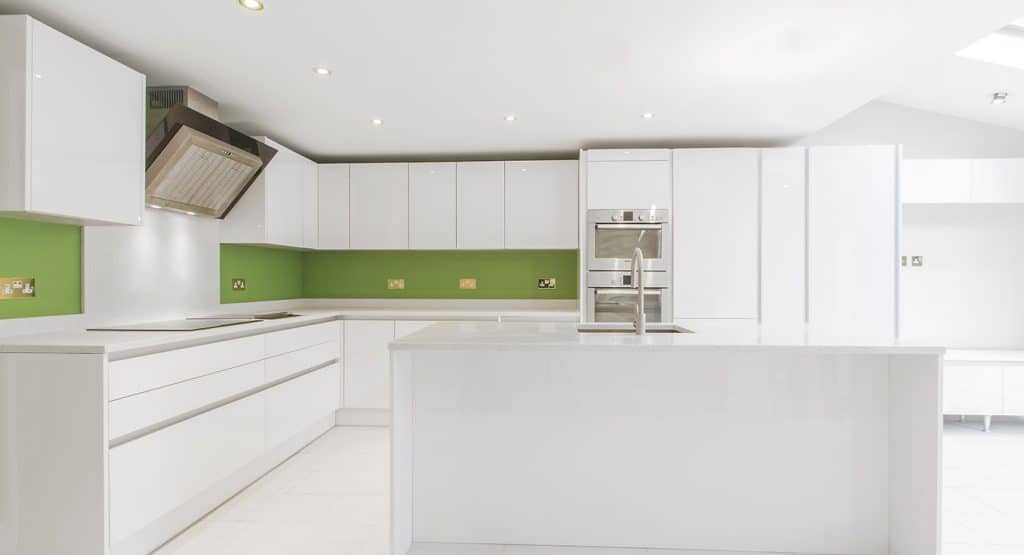
recent EXTENSION projects
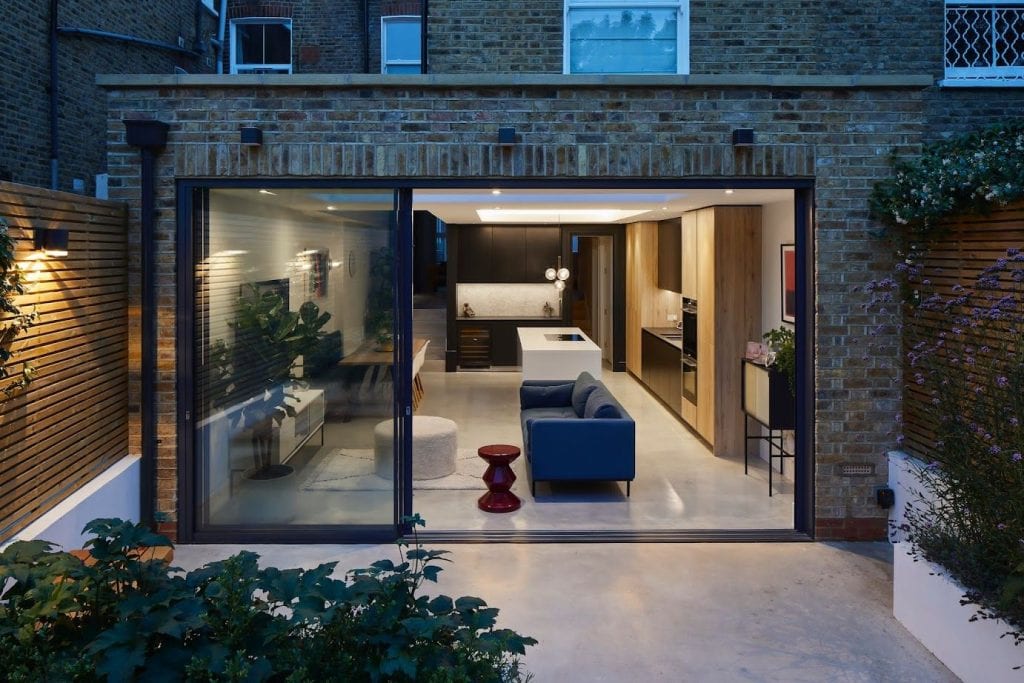
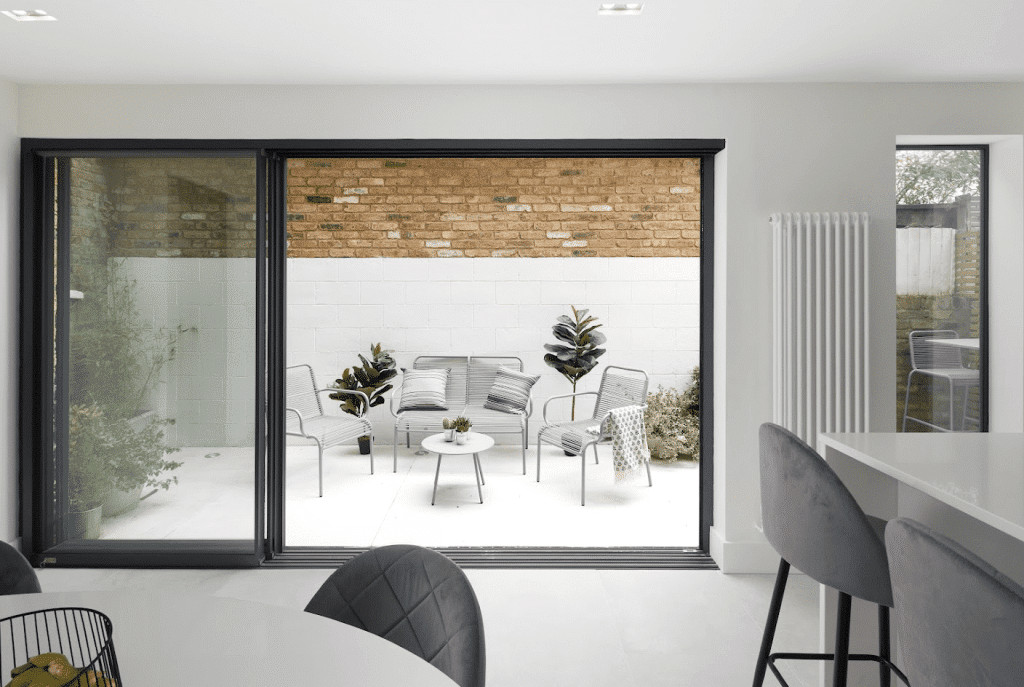
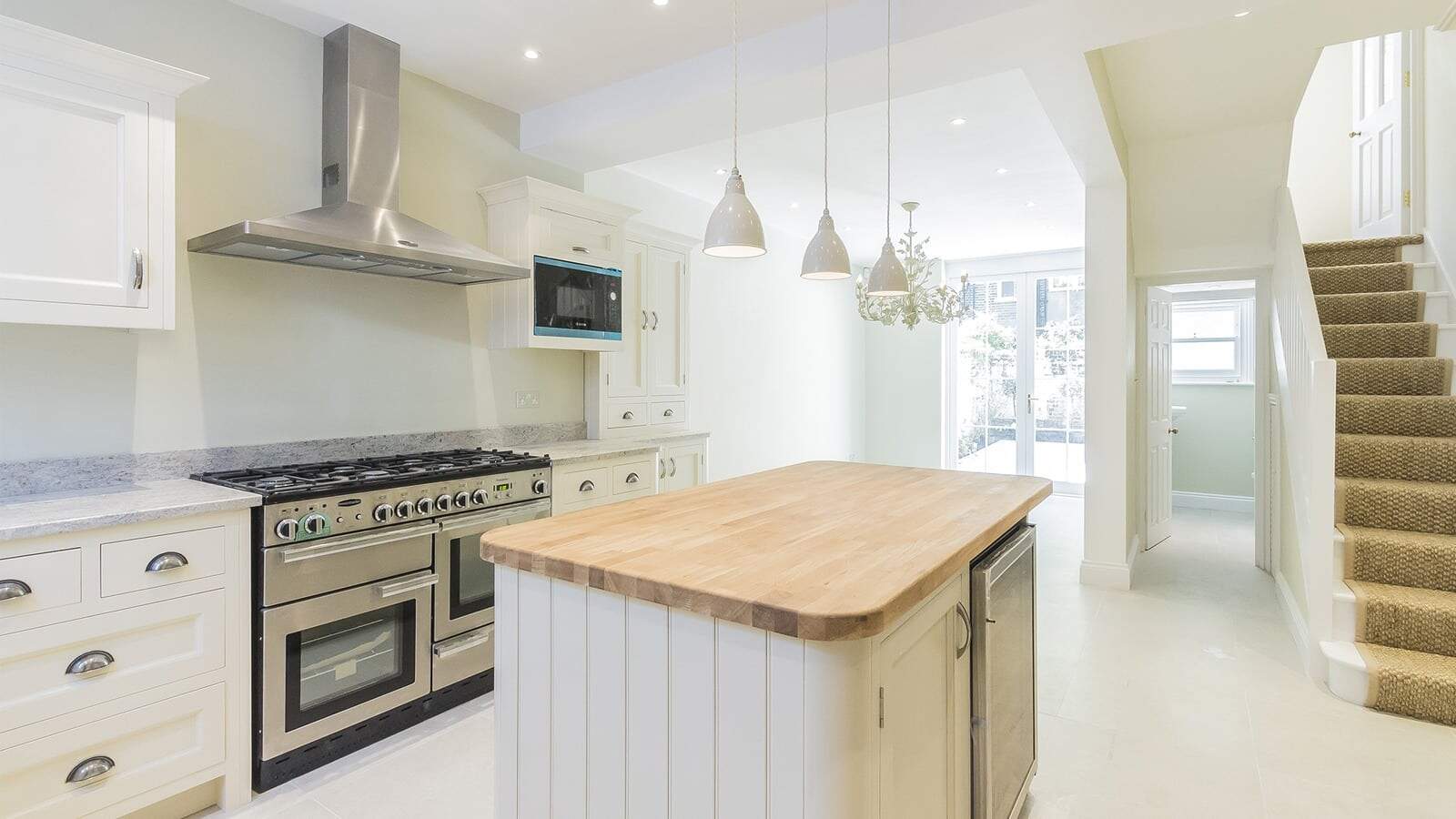
Local Topic
General information only. Planning and licensing rules change and depend on the individual property. This article is not legal or professional advice.
LAMBETH — THE LOW-CARBON EXTENSION: RECLAIMED STEEL, RECYCLED BRICK AND THE EMBODIED QUESTION (DESIGN)
A funny thing has happened in Lambeth briefing meetings over the last couple of years. The carbon question used to arrive from us, somewhere around the third meeting, gently.
Now it arrives from the client, in the first one, and it’s usually sharper than the old version: not “can it be sustainable?” but “what’s the steel actually costing us, carbon-wise, before we’ve even moved in?”
Which is the right question, because every extension runs up two carbon bills and only one of them ever got read.
The first is the running bill — heating, lighting, the meter — and decades of regulation have that reasonably well handled.
The second gets paid before the family’s first breakfast in the new room: the carbon spent making the steel, firing the bricks, pouring the concrete.
For a well-insulated modern extension, that up-front bill can rival decades of the running one. It just never used to arrive itemised.
So where does the money — carbon-money — actually go, and what have we watched genuinely reduce it?
Decisions first, products second. That’s the pattern from every project that’s taken this seriously. The greenest tonne of material is the one never ordered, so the saving starts at the structural concept: spans that work efficiently, steel that isn’t there for drama, and — this one’s underrated — reusing what’s already standing.
The outrigger dilemma we’ve written about elsewhere turns out to be partly a carbon question wearing a structural costume.
A wasteful frame with eco-products bolted on loses, every time, to a clever frame in ordinary materials.
Then the materials themselves, where the options have grown real teeth. Reclaimed steel is no longer a curiosity — the engineering institution’s circular-economy work reflects how far the testing and certification regimes have come, and sections with a previous life are now a specifiable, code-satisfying option.
Reclaimed brick brings its carbon from its first building and arrives pre-weathered, which the matching craft we’ve covered in its own right rather appreciates. Concrete — usually the heaviest line on the bill — has lower-carbon mixes the Concrete Centre documents, and they go into ordinary domestic foundations without fuss. Timber stores carbon instead of spending it, where spans and the fire rules allow.
And the UK Green Building Council’s guidance supplies the vocabulary that makes any of this checkable — because “sustainable” on a datasheet means nothing, while a stated embodied-carbon figure means something you can compare.
Now the caveats, because we’ve lived them. Reclaimed materials trade programme certainty for carbon virtue: supply is lumpy, quantities want securing embarrassingly early, and a specification written to fight natural variation instead of welcoming it will have a bad year. Paperwork is the other one.
Structural reuse needs its trail — insurers ask, building control asks, reasonably — and the projects that glide are the ones where the documentation was procured alongside the steel, not chased after it.
Here’s what makes this corner of the work quietly satisfying: Lambeth’s policy direction, the London Plan’s circular-economy push, the cost plan and the architecture all lean the same way for once. Buildings that reuse, span cleverly and specify honestly tend, in our experience, to just be better buildings. Old steel and second-life brick, worn well, aren’t a sacrifice round here anymore.
They’re rather the point.
FAQ
Services
Payte Architects London offers a comprehensive range of architectural services. Our skilled architects specialise in different areas. This lets us customise our approach for the many aspects of architectural design.