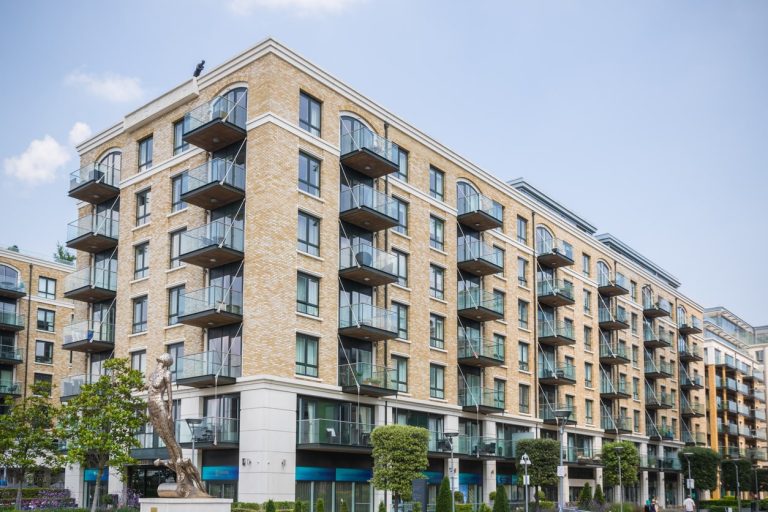
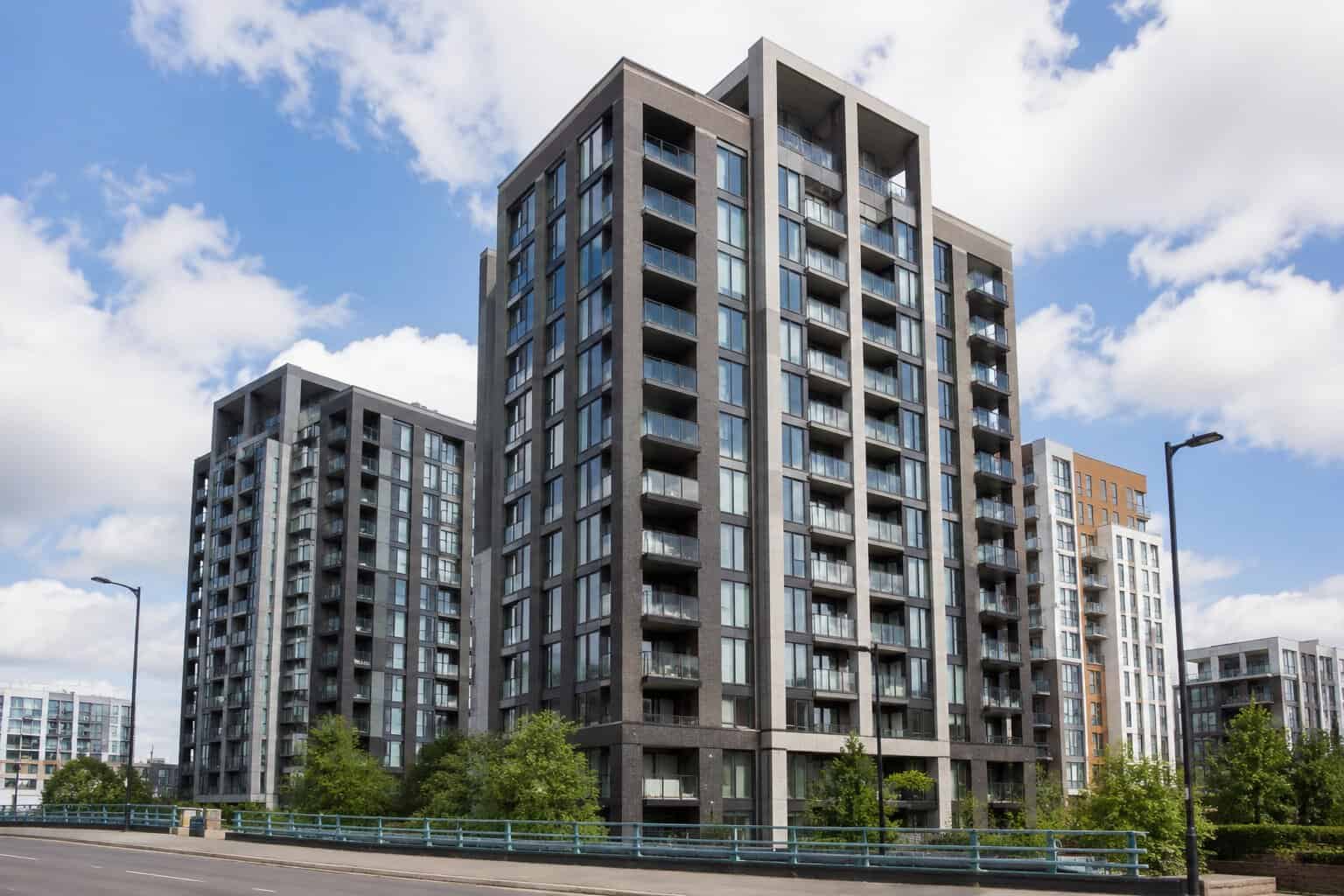
Over the past eighteen months, Payte Architects London has seen a significant increase in enquiries from leaseholders looking to undertake internal alterations within Higher-Risk Buildings.
In many cases, the projects themselves appear relatively straightforward. Clients contact us wanting to remove a wall between a kitchen and living room, relocate a bathroom, create a more open-plan apartment or undertake a wider refurbishment.
Most are surprised when they discover that what would once have been considered a routine alteration can now involve a far more complex approval process.
The introduction of the Building Safety Act and the Building Safety Regulator has fundamentally changed how internal works are assessed within Higher-Risk Buildings. Increasingly, regulators, freeholders and managing agents are looking beyond the physical alteration itself.
Questions are now being asked about competency, compliance, fire strategy, construction management and how building safety will be maintained throughout the project.
For leaseholders, this often comes as a shock.
Many people only encounter the Building Safety regime when they decide to renovate their apartment. By that stage, expectations have already been formed, contractors may have been identified and design work may already be underway. Unfortunately, this is often the point at which previously straightforward projects begin to encounter unexpected obstacles.
The Growing Disconnect Between Expectations and Reality
One of the most common conversations we have starts with a simple question:
“Why has this become so complicated?”
It’s an understandable reaction.
Historically, many internal alterations could be progressed through a combination of design drawings, Building Regulations approval and a Licence to Alter application. Today, particularly within Higher-Risk Buildings, the process is rarely that simple.
Many leaseholders discover that there is confusion surrounding what approvals are required, who is responsible for compliance and what information must be provided before works can begin.
Across the industry, we are seeing similar frustrations emerge repeatedly:
• Uncertainty over whether Building Safety Regulator approval is required.
• Conflicting advice from managing agents, contractors and consultants.
• Delays caused by requests for additional information.
• Escalating professional fees as specialist consultants become involved.
• Historic alterations creating problems during property sales.
• Concerns regarding liability, insurance and future compliance.
These are not isolated issues. They have become recurring themes across Higher-Risk Buildings throughout London.
What Payte Architects London Is Seeing Across Higher-Risk Buildings
Although every building is different, many of the challenges our clients face are remarkably similar.
Whether we are advising leaseholders within luxury residential towers, purpose-built apartment blocks, mixed-use developments, build-to-rent schemes, retirement apartment developments or student accommodation buildings containing self-contained apartments, the underlying issue is often a lack of clarity.
Many owners are simply trying to understand what they need to do before carrying out work within their own home.
The difficulty is that the answer is rarely straightforward.
What appears to be a minor internal alteration may raise questions about fire compartmentation, means of escape, service penetrations, evacuation strategies or wider building safety considerations.
In other cases, the challenge has little to do with the proposed works themselves and everything to do with documentation, approvals and demonstrating compliance.
Real Examples From Projects Across London
Mayfair: Open-Plan Living Within a Luxury Residential Tower
Payte Architects London recently advised the owner of an apartment within a luxury residential tower in Mayfair who wanted to create a more open-plan living arrangement by removing a partition wall between the kitchen and reception room.
The client initially viewed the project as a relatively simple refurbishment. The wall was not load-bearing and there were no significant structural concerns.
However, once the wider implications of the alteration were considered, questions emerged regarding compartmentation, fire safety arrangements and how the revised layout interacted with the building’s existing fire strategy.
Without clear guidance, the project risked becoming delayed while multiple parties attempted to establish the appropriate route forward.
By reviewing the proposal at an early stage, we were able to identify the key issues, coordinate the required input and establish a structured compliance strategy before significant time and money had been spent.
Chelsea: Historic Alterations Holding Up a Sale
A client approached Payte Architects London during the sale of an apartment within a mixed-use development in Chelsea, comprising retail units at ground floor level with residential apartments above.
During the conveyancing process, concerns were raised regarding alterations carried out by a previous owner many years earlier. Documentation was incomplete and there was uncertainty regarding what approvals had originally been obtained.
The issue quickly moved beyond design and construction. Solicitors, lenders and prospective purchasers all wanted reassurance that the alterations would not create future liabilities.
By reviewing the available information and assessing the alterations in the context of current requirements, we helped the client better understand their position and the options available to address the concerns being raised.
Fulham: Conflicting Advice Within a Purpose-Built Apartment Block
In Fulham, a leaseholder contacted us after receiving different advice from their managing agent, contractor and freeholder regarding a proposed kitchen relocation.
The client was struggling to establish whether the works would require Building Safety Regulator involvement, specialist fire strategy input or additional approvals beyond those normally associated with apartment alterations.
This type of uncertainty is becoming increasingly common.
Before committing to substantial design costs, the client needed a clear understanding of the regulatory position and the likely approval pathway.
Following a detailed review, we were able to provide clarity on the requirements, helping the client proceed with confidence and avoid unnecessary expenditure.
Hammersmith: Delays Within a Build-to-Rent Development
In Hammersmith, we became involved after an apartment refurbishment within a large build-to-rent development had already encountered delays.
The proposed works themselves were relatively straightforward. The problem was that the supporting information submitted during the approval process did not adequately address several compliance requirements.
Additional information requests followed, timelines extended and the client found themselves facing mounting frustration and uncertainty.
By helping coordinate the consultant team and organise the required documentation, we were able to establish a more structured approach and reduce the risk of further delays.
Why Early Principal Designer Involvement Matters
Many of the problems we encounter have one thing in common.
Professional advice is often sought after key decisions have already been made.
Designs may be complete. Contractors may already be lined up. Budgets may have been agreed. Yet critical compliance issues remain unresolved.
This is precisely why the role of the Building Regulations Principal Designer has become so important.
At Payte Architects London, much of this work is led by Teddy Laurence, our established Building Regulations Principal Designer.
Having worked extensively with leaseholders, freeholders, managing agents and consultant teams on Higher-Risk Buildings across London, Teddy recognised that many projects were encountering the same obstacles repeatedly.
Clients were receiving inconsistent advice, approval routes were unclear and delays were occurring because compliance considerations had not been addressed early enough.
In response, Teddy developed a structured compliance framework designed specifically to deal with the practical realities of internal alterations within Higher-Risk Buildings.
Rather than waiting for issues to emerge later in the process, the framework helps identify potential challenges at an early stage, establish consultant requirements, coordinate specialist input where necessary and create a clear roadmap for compliance.
In a marketplace that remains confused by recent regulatory change, this approach has enabled many clients to move forward with significantly greater confidence and certainty.
Internal Alterations Are No Longer Just Construction Projects
Perhaps the biggest change introduced by the Building Safety Act is not the documentation itself.
It is the shift in mindset.
Internal alterations within Higher-Risk Buildings can no longer be viewed solely as design and construction projects. They now sit within a wider regulatory environment where compliance, competency and risk management are often scrutinised as closely as the physical works themselves.
For leaseholders, this can feel frustrating, particularly when relatively modest alterations become subject to extensive review. However, the projects that progress most smoothly are usually those where these realities are understood from the outset.
At Payte Architects London, we continue to assist apartment owners, leaseholders and developers across Mayfair, Chelsea, Fulham, Hammersmith and throughout London in navigating these increasingly complex requirements.
While the regulatory landscape will undoubtedly continue to evolve, one principle remains consistent.
The earlier potential issues are identified, the easier they are to manage.
For anyone considering internal alterations within a Higher-Risk Building, seeking advice before designs are finalised and approvals are pursued can often save significant time, cost and frustration later in the process.