
Conservation architects London
Principal Designer & Higher Risk Building Expert
Payte Architects London are conservation architects London property owners instruct when heritage genuinely matters. We restore, adapt and refine listed buildings and conservation properties with a careful, intelligent approach that protects character while allowing thoughtful evolution.





specialist conservation architect
A good conservation architect does not begin with design. We begin with restraint.
At Payte Architects London, our first responsibility is to understand what must remain. The proportions that define a façade. The detailing that gives a staircase its presence. The material logic that has allowed a building to stand for over a century. Conservation architecture is rarely about dramatic reinvention. It is about careful judgement.
Working as a conservation architect in London means navigating one of the most rigorous planning environments in the country. Listed buildings and conservation areas are protected for good reason. Our role is to interpret those protections intelligently, identifying where change is appropriate and how it can be justified through clear architectural reasoning.
As conservation architects London clients rely upon, we manage pre-application discussions, Listed Building Consent applications and planning negotiations with measured confidence. Every proposal is supported by research, proportional thinking and an understanding of how borough conservation officers assess impact.
Our conservation architect services extend from early feasibility and heritage assessment through to detailed design and site oversight.
Some projects focus on reinstating lost detailing. Others involve carefully reworking layouts to improve liveability. In every case, we preserve the building’s dignity first, then enhance its function.
Whether restoring original detailing or introducing discreet contemporary elements, we aim to ensure that London’s built heritage continues to evolve without losing its integrity.
experienced conservation architects
There is a discipline to being good conservation architects. It requires patience. It requires the ability to see value where others might see inconvenience. And it requires an understanding that heritage buildings cannot be treated like blank canvases.
As conservation architects operating across London, we work with listed townhouses, period villas, mansion apartments and historically significant commercial buildings. Each has its own sensitivities. Original cornicing, fireplaces, staircases and joinery are not decorative extras; they are structural elements of character.
Securing Listed Building Consent applications forms a central part of our conservation architects London service. Planning officers respond to clarity, not theatrics. Our drawings are precise. Our Heritage Statements are balanced and analytical. We explain what is changing, why it is necessary and how it protects the building’s overall significance.
Extensions to listed buildings are handled with particular care. We do not favour imitation unless historically appropriate. Instead, our conservation architects design additions that are clearly contemporary yet respectful in scale, proportion and material choice. The goal is coherence, not camouflage.
Repair and restoration work is equally important. Historic buildings rely on breathable materials and traditional construction methods. Introducing incompatible products can cause slow deterioration. As conservation architects London homeowners return to, we prioritise material compatibility and minimal intervention wherever possible.
Sustainability must also be approached intelligently within conservation architecture.
Retrofit strategies require nuance. Over-sealing a historic building can create moisture problems rather than solve them. Our conservation architects design energy improvements that respect traditional fabric while enhancing comfort and performance.
During construction, oversight becomes critical. Conservation architecture leaves little room for approximation.
Regular site inspections protect detailing and ensure compliance with listed building conditions. It is in these moments that careful design translates into tangible quality.
different from other conservation architect firms
There are many conservation architect firms in London. What distinguishes Payte Architects London is our belief that conservation architecture should never feel formulaic.
Senior involvement is embedded in our structure. Projects are not delegated and forgotten. Teddy Laurence, our lead architect, brings over 20 years of conservation architecture experience to each commission. His understanding of traditional materials, proportion and planning strategy informs the calm precision of our work.
The strongest conservation architect firms are defined not by volume but by judgement. Knowing when to preserve, when to reinterpret and when to step back entirely. At Payte Architects London, restraint is considered a strength, not a limitation.
We also offer integrated interior design and conservation building contracting services. This allows conservation architecture decisions to carry through to final finishes without dilution. By aligning architectural thinking with interior detailing and delivery, we maintain clarity and cohesion throughout.
Our portfolio includes work within some of London’s most established and architecturally sensitive neighbourhoods, including prime central districts and long-designated conservation areas. However, our conservation architects operate across the capital wherever heritage buildings require thoughtful intervention.
The common thread is not postcode — it is architectural responsibility.
ARRANGE A FREE CONSULTATION
Arrange a free consultation with our architects practice today, we offer clients a free 30 minute conservation project consult.
FREE NO OBLIGATION CONSULTATION
VIRTUAL CONSULTATION AVAILABLE
ON SITE CONSULTATION AVAILABLE
specialised conservation Architecture in London
Conservation architecture is rarely linear. It moves in stages, yes — but it also moves in judgement calls, small discoveries and careful recalibration.
At Payte Architects London, our process is structured, but it is never mechanical. Every listed building responds differently. We adjust accordingly.
Understanding the Building Properly
Before we speak about design, we study the building itself.
Its listed status is only the beginning. What matters more is its architectural hierarchy — what is significant, what has been altered, what quietly holds the composition together. Some constraints are firm. Others allow negotiation. Knowing the difference is critical.
At Payte Architects London, we spend time on this early stage because it shapes everything that follows. A conservation project built on assumption rarely ends well.
Design Through Conservation Logic
Design within a historic structure is not about adding contrast for impact. It is about improving use without eroding character.
We prepare measured drawings and heritage documentation that explain not just what will change, but why the change strengthens the building. Every intervention must be defensible. If it cannot be justified clearly — architecturally and historically — it does not proceed.
That discipline keeps conservation architecture coherent rather than decorative.
Strategic Planning & Consent Management
Planning across London’s boroughs demands experience. Policies may appear similar on paper, yet interpretation varies.
As conservation architects London clients trust, Payte Architects London manages submissions directly and carefully. We shape applications before they are submitted, aligning proposals with conservation priorities from the outset. Tone, phrasing and clarity matter more than volume.
Experience reduces friction. It also protects timelines.
Careful Delivery & On-Site Oversight
Historic fabric does not forgive approximation.
We remain closely involved during construction, working alongside engineers and specialist contractors who understand traditional materials. Lime behaves differently from cement. Timber movement tells its own story. Small detailing decisions on site can affect longevity for decades.
Done properly, the end result should not feel “new.” It should feel as though it has always belonged.
That is the measure we apply to our conservation architecture work.
conservation architectural services in london
Listed Building & Planning Applications
Planning within historic settings requires more than technical compliance — it requires judgement.
As conservation architects London property owners rely upon, we shape proposals carefully from the outset, aligning design ambition with conservation policy before formal submission.
Rather than simply preparing applications, we develop a clear planning strategy that anticipates conservation officer concerns and frames each proposal within its wider architectural context. This measured approach reduces risk, protects timelines and ensures that listed buildings are treated with the respect they deserve.
Heritage Surveys & Assessments
Responsible conservation architecture begins with evidence. Heritage surveys and assessments allow us to evaluate condition, fabric and architectural significance before proposing change. Measured surveys and fabric analysis provide technical foundations that strengthen both design decisions and planning submissions.
Where appropriate, Conservation Management Plans establish long-term stewardship strategies. They ensure future interventions remain consistent with the building’s historic value.
Strong conservation architects build understanding before they build anything else.
Repair & Restoration Design
Repair requires humility. Original materials often perform better than their modern replacements when treated correctly. As conservation architects London homeowners recommend, we prioritise careful repair over wholesale replacement.
Lime mortars, breathable renders and traditional timber techniques are specified not for nostalgia, but for compatibility. Structural reinforcement, where required, is introduced discreetly.
Restoration is about longevity, not cosmetic renewal.
Adaptive Reuse & Alterations
Historic buildings survive because they adapt. Through thoughtful internal alterations and adaptive reuse, our conservation architects enable listed properties to meet contemporary expectations without losing identity.
Spatial reconfiguration, basement developments and accessibility upgrades are assessed within planning policy and architectural context.
Change of use applications are supported by clear reasoning and strategic engagement. Each intervention sits within the wider narrative of the building and its setting.
Project Management & Contract Administration
Conservation architecture extends well beyond planning approval. Careful contract administration ensures that approved designs are delivered accurately on site.
Regular inspections safeguard material integrity and compliance with listed building conditions.
Budget and programme monitoring provide reassurance on complex heritage projects where unforeseen discoveries are not uncommon.
Continuity from concept to completion protects both design intent and investment.
Specialist Consultancy Services
Not every commission requires full architectural involvement. We provide specialist consultancy services including pre-application planning advice, guidance on works within conservation areas and strategic input on sustainability upgrades for historic buildings.
Early clarity reduces risk. Our conservation architects London consultancy approach is measured, practical and informed by long experience across the capital.
why work with our
conservation architects?
Conservation Before Intervention
We don’t begin with sketches. We begin with understanding.
At Payte Architects London, our conservation architects start by identifying what gives a building its integrity — proportion, fabric, craft, accumulated history. Not every structure needs transformation. Some simply need to be properly understood before any line is drawn.
Change, when it comes, should feel earned rather than imposed.
Fabric-Led Thinking
Historic buildings are not fragile — but they are specific.
Solid brick walls move differently from modern cavity construction. Lime mortar behaves differently from cement. Timber tells you stories if you know how to read it. Conservation architecture demands respect for that material intelligence.
We design in response to how the building actually works, not how we might prefer it to.
Long-Term Stewardship
Conservation architecture is about continuity. The decisions made today shape how London’s streets will read decades from now.
As conservation architects London clients return to, Payte Architects London approaches each project with that longer horizon in mind. Will the intervention age well? Will it still make architectural sense in thirty years? Could it be reversed if future custodians choose differently?
We think beyond completion. Always.
Quiet Authority
There is strength in restraint.
We do not compete with historic fabric. We refine it. We do not introduce contrast for attention. We introduce clarity where it strengthens the whole. When new elements sit comfortably alongside old without mimicry or apology, the balance is right.
That discipline defines our conservation architecture work — deliberate, careful and grounded in respect for the buildings that shape this city.

“When I founded Payte Architects London, I believed conservation architecture should be thoughtful, never formulaic. London’s historic buildings carry character and craftsmanship that deserve genuine care. I am proud of the discipline our conservation architects bring to every project — protecting the city’s architectural legacy is something we take seriously, and personally.”
featured works
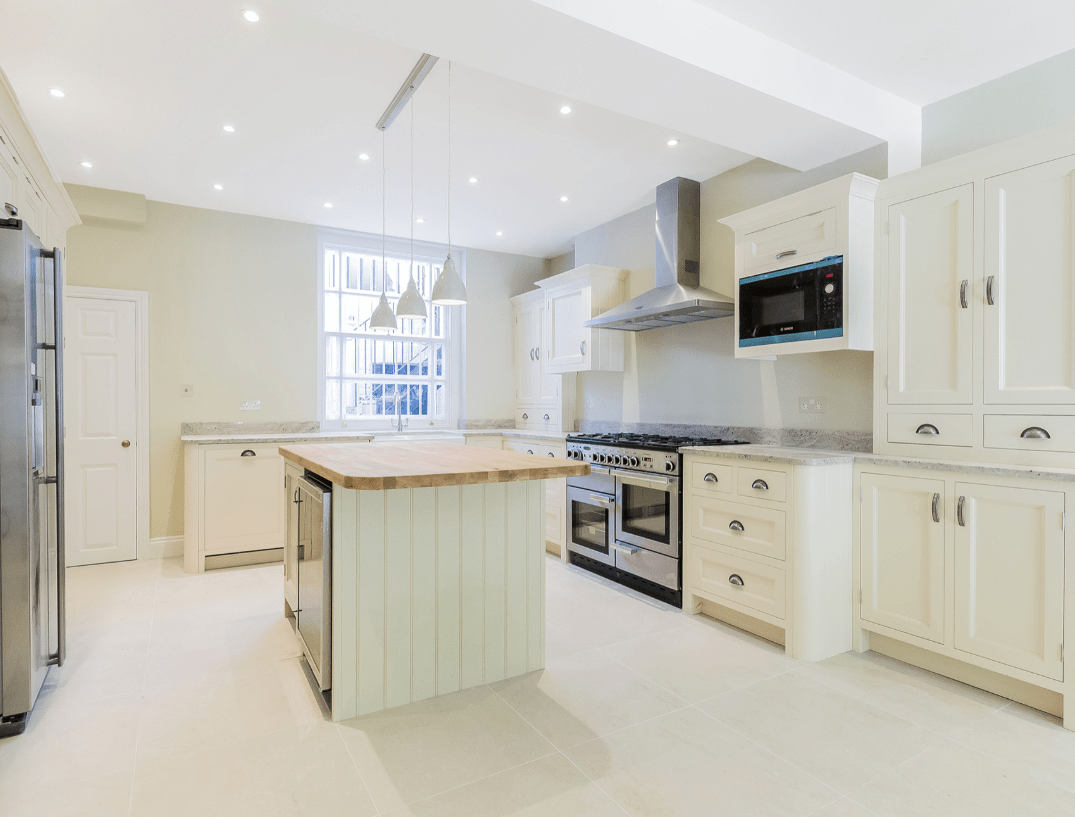
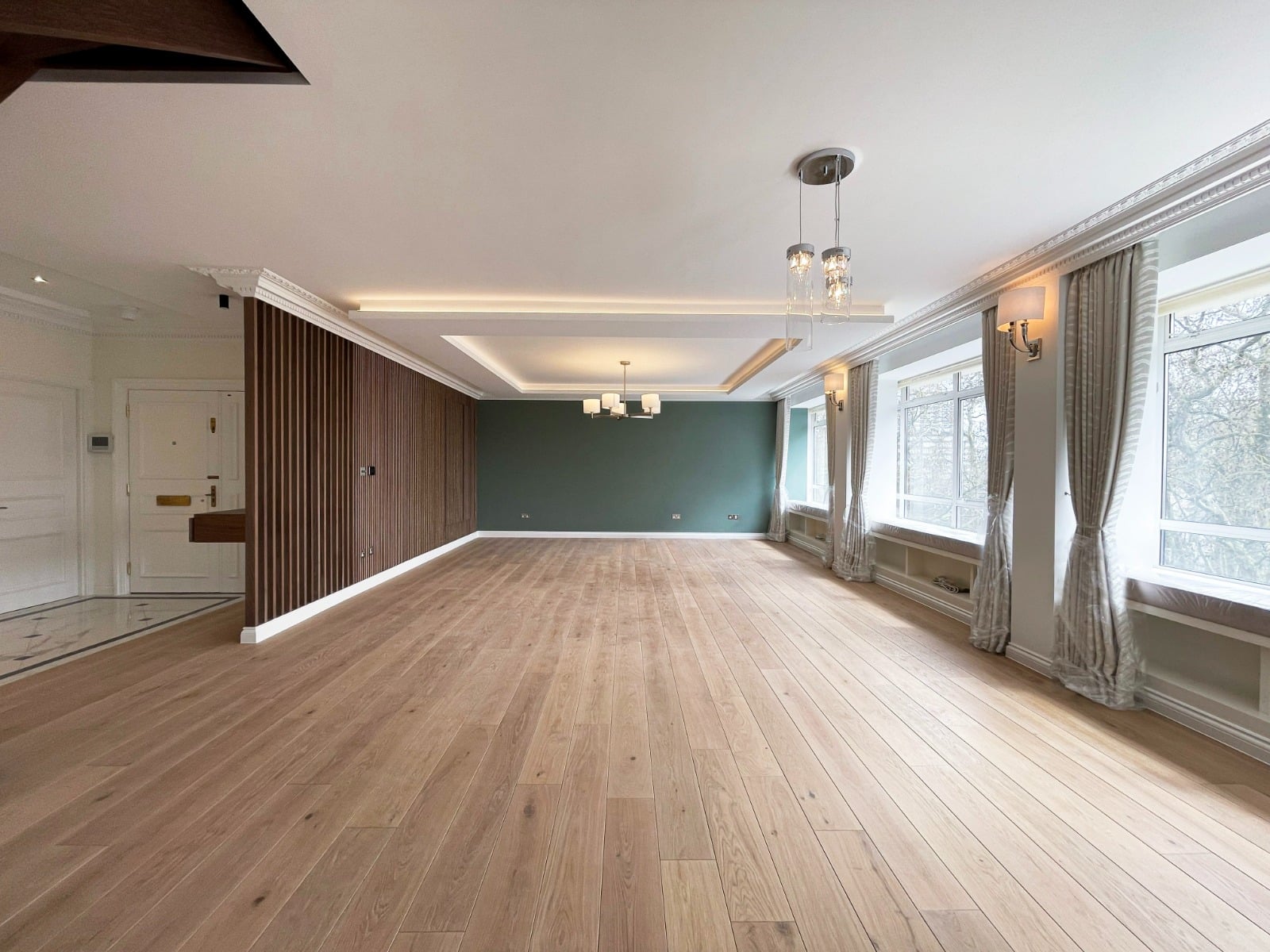
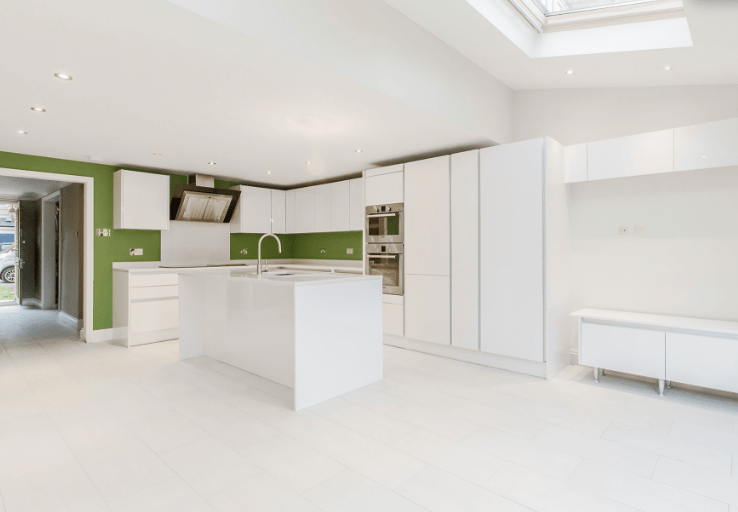
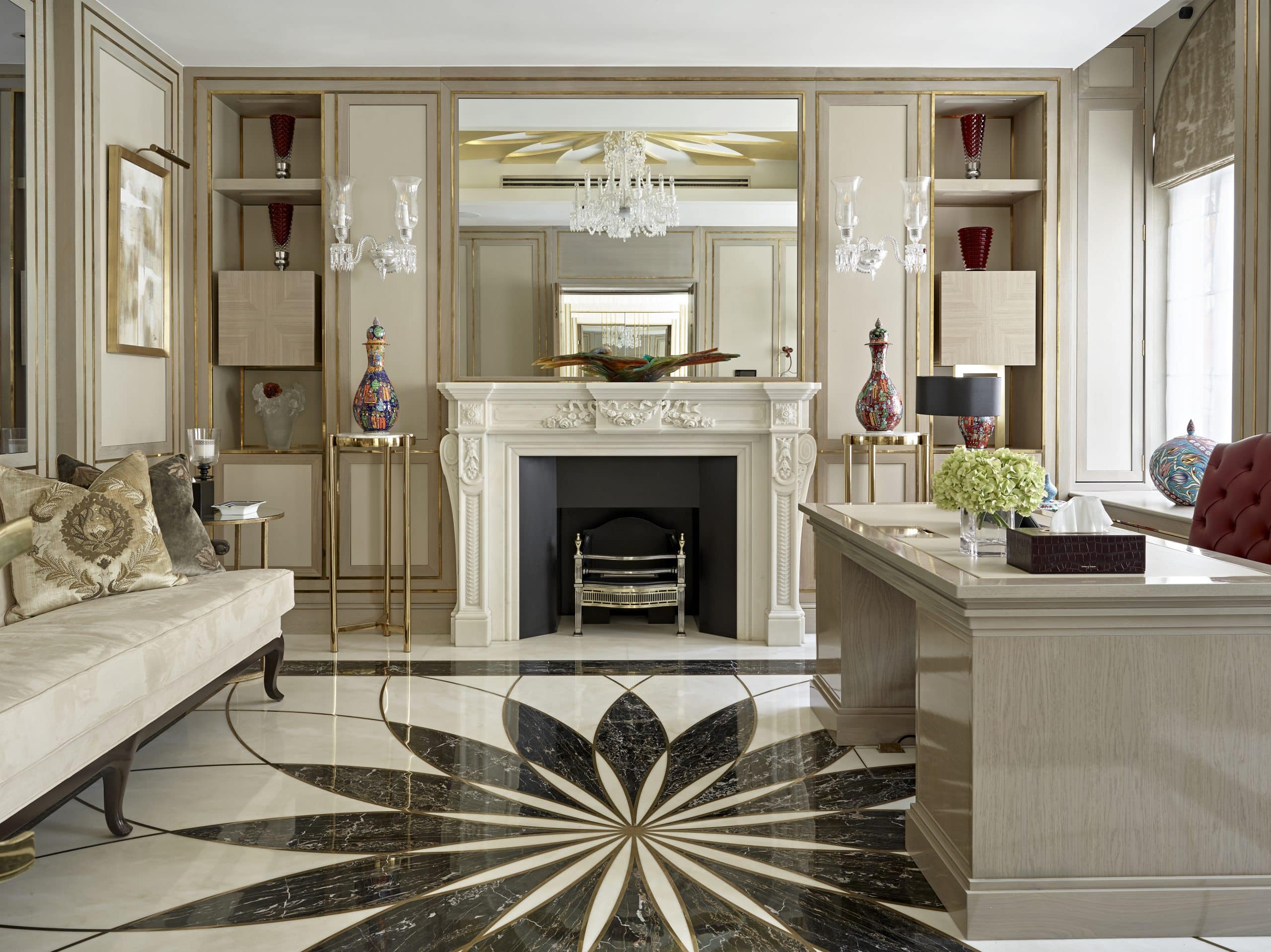
examples of our conservation projects

Conservation Architecture
FAQ
TESTIMONIALS
Read some of our reviews from our happy and valued customers.
Services
Payte Architects London offers a comprehensive suite of architectural services, with our skilled architects specialising in distinct disciplines. This diversity allows us to tailor our approach to meet the various facets of architectural design.