
PAYTE
Residential architects Chiswick
Principal Designer & Higher Risk Building Expert
With years of architectural experience in Chiswick, we have successfully navigated clients’ residential property and planning applications. We deliver reports and drawings that demonstrate a deep understanding of local government regulations, particularly in conservation areas and with listed properties.



luxury residential architects Chiswick

Our architects specialise in luxury projects in some of the Chiswick’s most glamorous locations, including Belgravia, Chelsea, and Mayfair. We incorporate leading contemporary design and various architectural styles into our renovation projects.
We collaborate with Chiswick’s leading companies to source premium textures and finishes, working closely with clients and suppliers to bring their architectural visions to life. For conservation projects in Chiswick, we work with outside stakeholders such as English Heritage.
We’ve helped Chiswick residential clients enhance their homes’ value through luxury roof and air space projects. Our architects provide luxury loft and basement conversions, extensions, and general layout changes.
Our tailored approach ensures every project blends elegance, functionality, and innovation. With the expertise of our residential architects practice West London has many living spaces that reflect the highest standards of luxury and style.
high end Residential Architect in Chiswick

Our Chiswick architecture practice design team specialises in creating tailor-made residential designs in Chiswick’s most prestigious areas. We are client-focused, respect budgets, offer user-friendly processes, and maintain our professionalism from initial concept to final execution. Our designs reflect each client’s unique personality and their respective residential projects.
With our extensive experience in architectural design and the design process, we are well-equipped to handle a variety of projects, from house extensions to Edwardian house concept designs.
If you are completing an extension project, residential development, or require general planning permissions from a complete professional services firm, contact us and book your design professional now.
We ensure a seamless journey from concept to completion, offering a residential architect in london that help clients achieve bespoke designs that enhance both functionality and aesthetic appeal.
ARRANGE A FREE CONSULTATION
To discuss your project book a free 30-minute consultation with one of our experienced London architects today.
FREE NO OBLIGATION CONSULTATION
VIRTUAL CONSULTATION AVAILABLE
ON SITE CONSULTATION AVAILABLE
Creating Beautiful Chiswick Homes with a luxury residential Architect
Discover how our architects create innovative and sustainable high end residential designs in Chiswick. We provide solutions for new builds and loft conversions. These improve form, function, and property value.
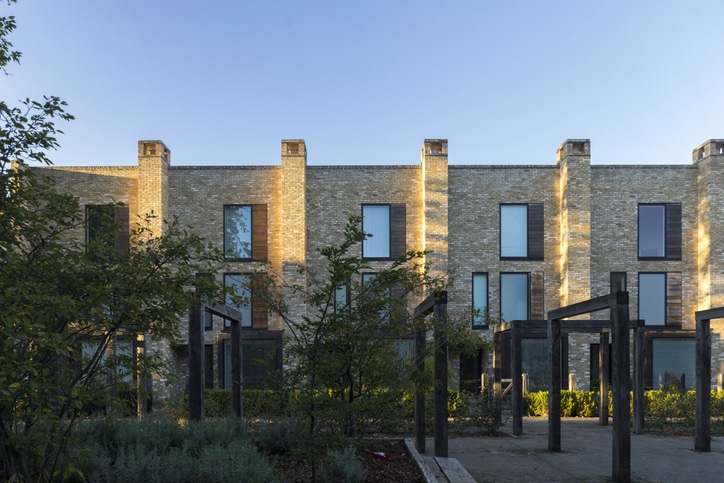
New Build
We design and deliver bespoke new build homes. We create sustainable, functional spaces for modern living. We manage everything from the initial idea to project completion. This includes planning permissions, architectural design, and construction management. Our goal is to create homes that blend style, efficiency, and comfort. Whether it’s a contemporary residential property or a classic architectural style.
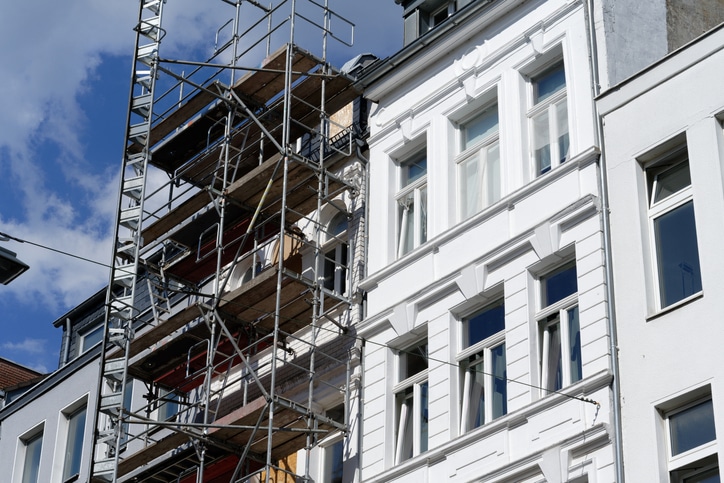
Renovation
Our architectural firm has experienced residential specialists that fully renovate Chiswick homes. We help you update period properties, modernise interiors, or reconfigure layouts. Our focus is on improving flow, natural light, and space. This approach benefits all clients. We ensure the renovation matches the existing structure. It also brings in modern design, sustainability, and efficiency.
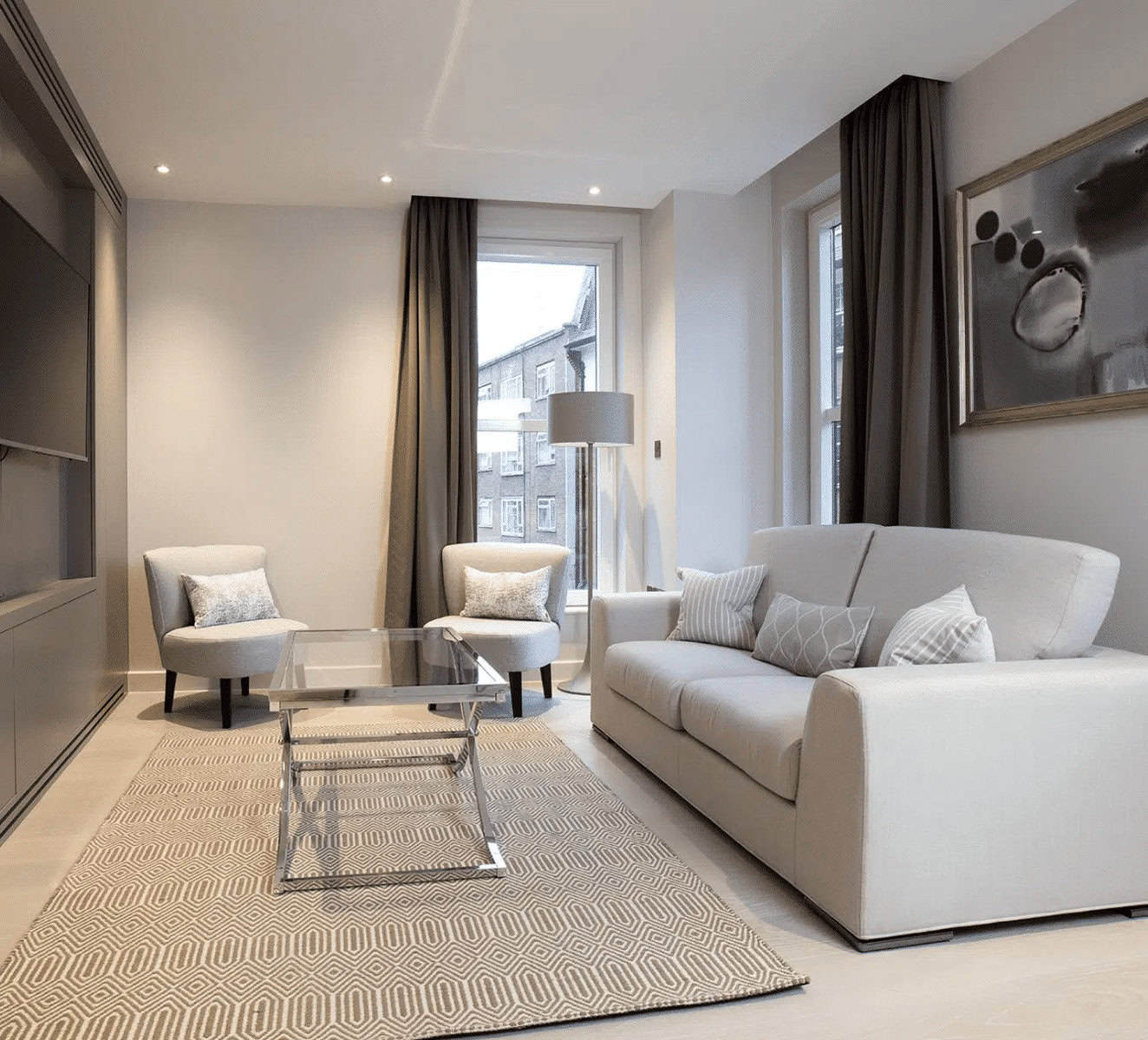
Apartment
Our Chiswick residential architects optimise apartments and create stylish living environments. Whether you’re building a new flat, updating one, or redesigning for more space, our architects aim for better designs. They improve lighting and balance looks with functionality. We specialise in everything from multi-storey buildings to luxury penthouses. We create homes that offer both value and comfort.
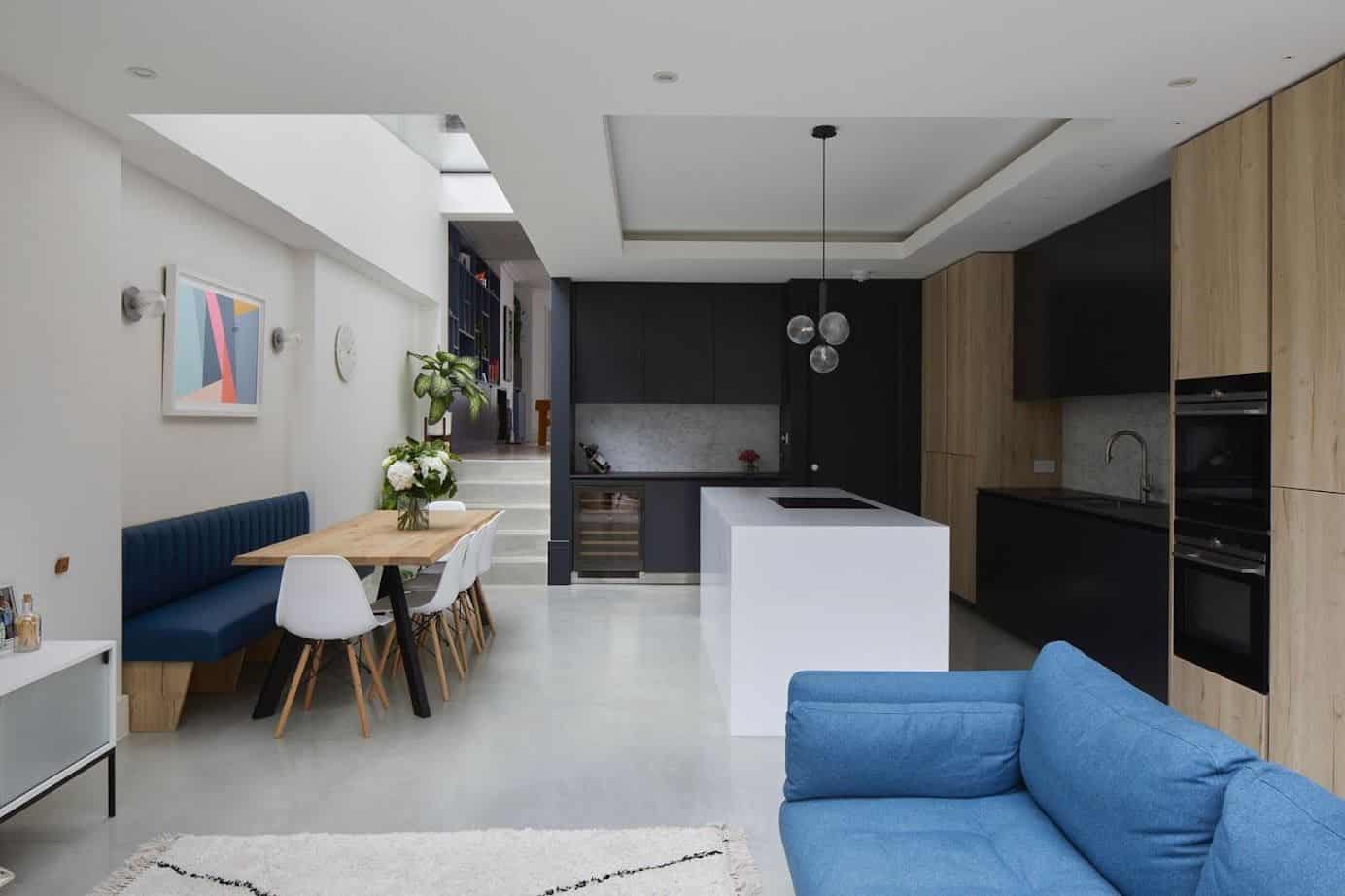
Extension
We aid clients in expanding properties with our beautifully designed residential extension architecture. We create side return, rear, wrap-around, or double-storey extensions. These additions blend perfectly with your property. Our designs focus on lighting, open-plan living, and energy efficiency. This way, your extension enhances functionality and looks fantastic. It also adds value to the building.
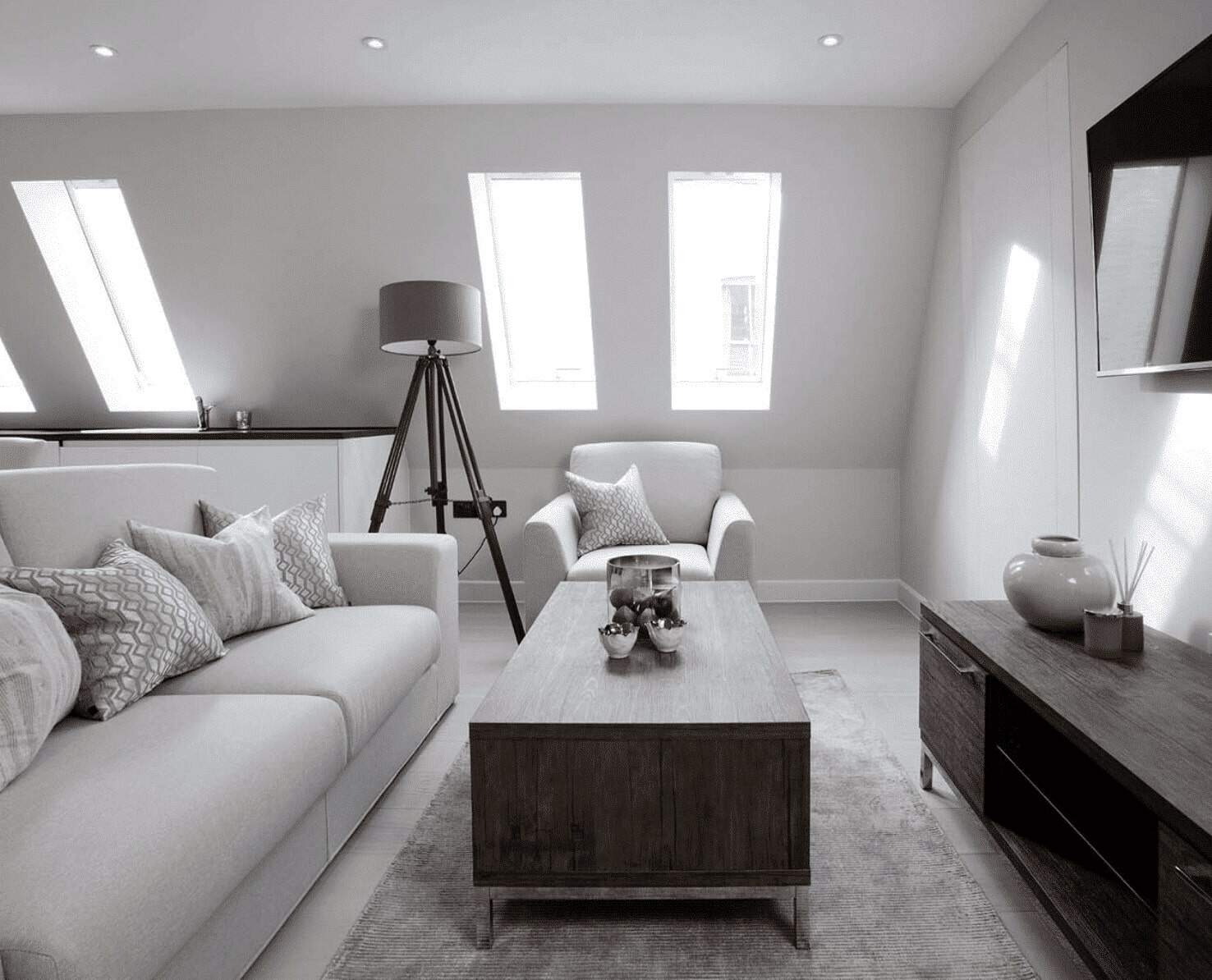
Lofts
Transform your Chiswick home with our custom loft conversions. Our designs make the most of space and light, perfect for bedrooms and home offices. These areas become relaxing retreats. Our residential architects create bright, roomy lofts that fit well with your home’s design. Our team focus on structural integrity, insulation, and aesthetics. This way, your loft conversion will be both beautiful and functional.
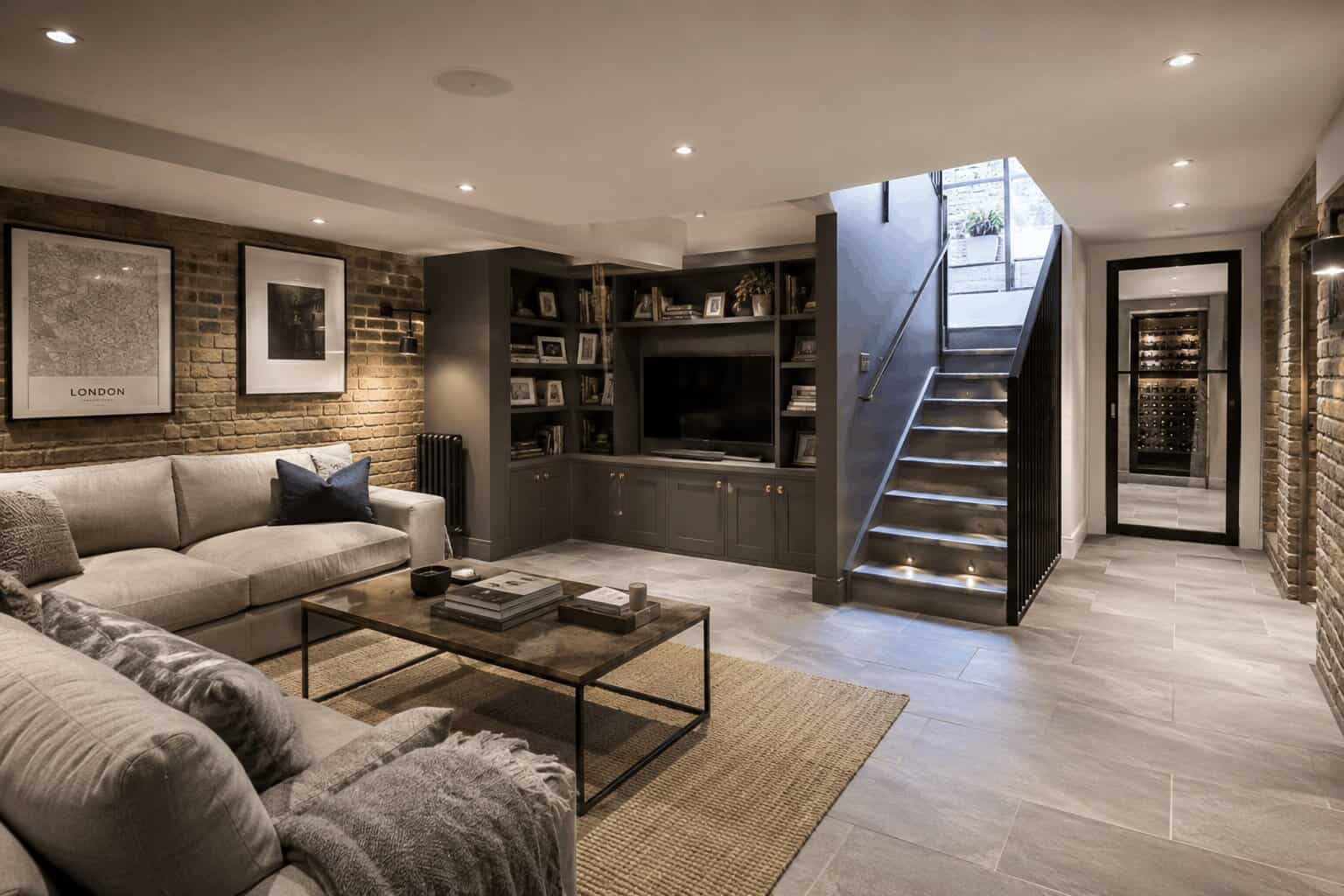
Basements
Unlock The Potential Beneath Your Chiswick Home With Our Expert Basement Conversion Services. We Design Bright, Functional Basement Spaces For Home Cinemas, Gyms, Offices, Bedrooms, And Family Rooms. Our Residential Architects Maximise Natural Light, Ventilation, And Layout To Create Comfortable Living Areas That Blend Seamlessly With Your Chiswick Property. From Planning Permission To Construction Delivery, We Create Bespoke Basement Extensions That Add Valuable Space And Long-Term Property Value.
Bespoke Residential Chiswick Architecture, Designed and Delivered
We are Chiswick’s premier residential architects, designers, and builders. Our focus is on creating beautiful and practical homes. We handle the whole process, whether you’re expanding, renovating, or building new. We focus on expertise and detail.
Free Initial Consultation
In your free 30-minute consultation, we will discuss in detail your vision, design choices, project scope, and budget. This way, our residential architecture team can make sure your ideas match with what’s practical and possible.
Full Architecture Service
Our Chiswick firm specialises in services for properties. We offer full assessments, detailed architectural drawings, 3D visualisations, planning applications, and tender management.
Planning & Permissions
Our architects help property owners in Chiswick plan out their dream home, from the first idea to the final approval. We help you understand local rules, follow zoning laws, and meet complex building regulations.
Complete Building Works
We offer streamlined residential building services. Our in-house team has architects, interior designers, and building contractors. Our team ensures collaboration, guiding your project from concept to completion.
Chiswick Residential Architecture, Design, and Planning
Luxury Finishes and Bespoke Residential Detailing
Our luxury residential architects use bespoke materials and detailed craftsmanship. This boosts the quality and uniqeness of your home interiors. Our professionals work with artisans and manufacturers to create unique home features. These features add character and value to the property.
Seamless Residential Extensions and Renovations
An extension or property restoration needs an architect’s expertise. They help blend modern designs with the current structures. Our professional team boosts Chiswick homes’ functionality while keeping their architectural charm. This, in turn, raises the building’s value and liveability.
Compliance with Residential Building Regulations
Our team is knowledgeable in building rules for projects like extensions, renovations, and new builds. We guarantee our designs meet safety, fire, and structural standards. They also follow local legal requirements. We simplify planning permission, guiding clients through each step with clarity.
Thoughtful Residential Space Planning
Our space planning professionals make properties more efficient for homeowners. We do this by designing smart layouts and blending them with current buildings. We focus on creating open-plan living spaces, optimising small urban homes, and improving layouts. This way, we ensure both functionality and beauty.
Home Lighting and Ambience Optimisation
Our residential architecture firm offers smart lighting designs. These solutions improve both beauty and function, making living spaces inviting and balanced. Our creative solutions mix natural and artificial lighting. With our approach, the property adapts to your different moods and needs during the day.
Sustainable and Smart Home Innovation
We focus on sustainable design in our architecture practice. Our architects ensure residential projects are eco-friendly and built for long-term efficiency. As an eco-conscious practice in Chiswick, our choice of materials prioritises eco-friendliness. We also incorporate smart home technology and energy-efficient heating and cooling systems.
Custom Home Fixtures and Storage Solutions
Our Chiswick residential architects create custom storage and furniture solutions. They help optimise space while keeping a stylish and seamless look. We have specialist knowledge in custom shelving, cabinetry, and built-in fixtures. These enhancements improve both the function and appearance of the property.
Project Management for a Streamlined Process
Our residential architects handle the whole project. They start with the first consultation and design phase, then move on to the final build and finishing touches. Our team works with builders, engineers, interior designers, and suppliers. We ensure a smooth and well-executed residential architecture project.
Budget Management & Cost Estimation
We help homeowners by managing budgets and giving clear cost estimates for their projects. This ensures they have a clear financial understanding. We know how to give detailed cost assessments. This includes materials, labour, permits, and possible extras. It helps clients make smart financial choices.
why work with us?
Fast Turn Around
Our firm offers smooth and efficient completion of all projects. This includes extensions, renovations, and new builds. We achieve this through expert planning and effective project management.
Fixed Pricing
Our experts offer residents clear, fixed pricing for architectural services, ensuring clients understand their costs upfront. This approach enables confident and accurate budgeting.
We Maximise Value
We help clients get the best results for their residential design projects. This includes extensions, renovations, and new builds. We balance investment benefits with creating functional and comfortable living spaces.
Turnkey Operation
We’re a full-service architects practice. We have in-house architects, interior designers, and building contractors. Our experts ensure easy collaboration, guiding your residential project till its delivery.
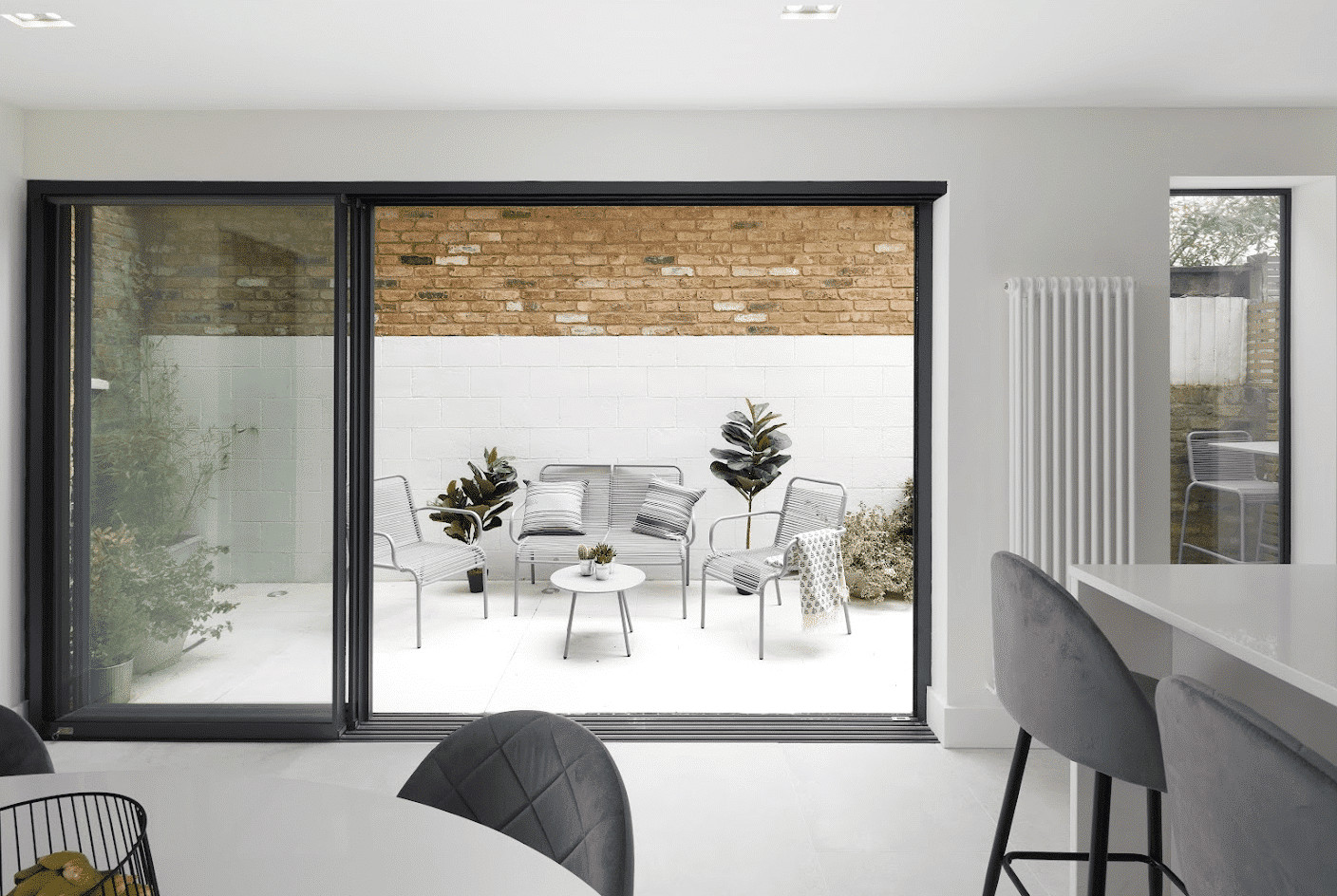
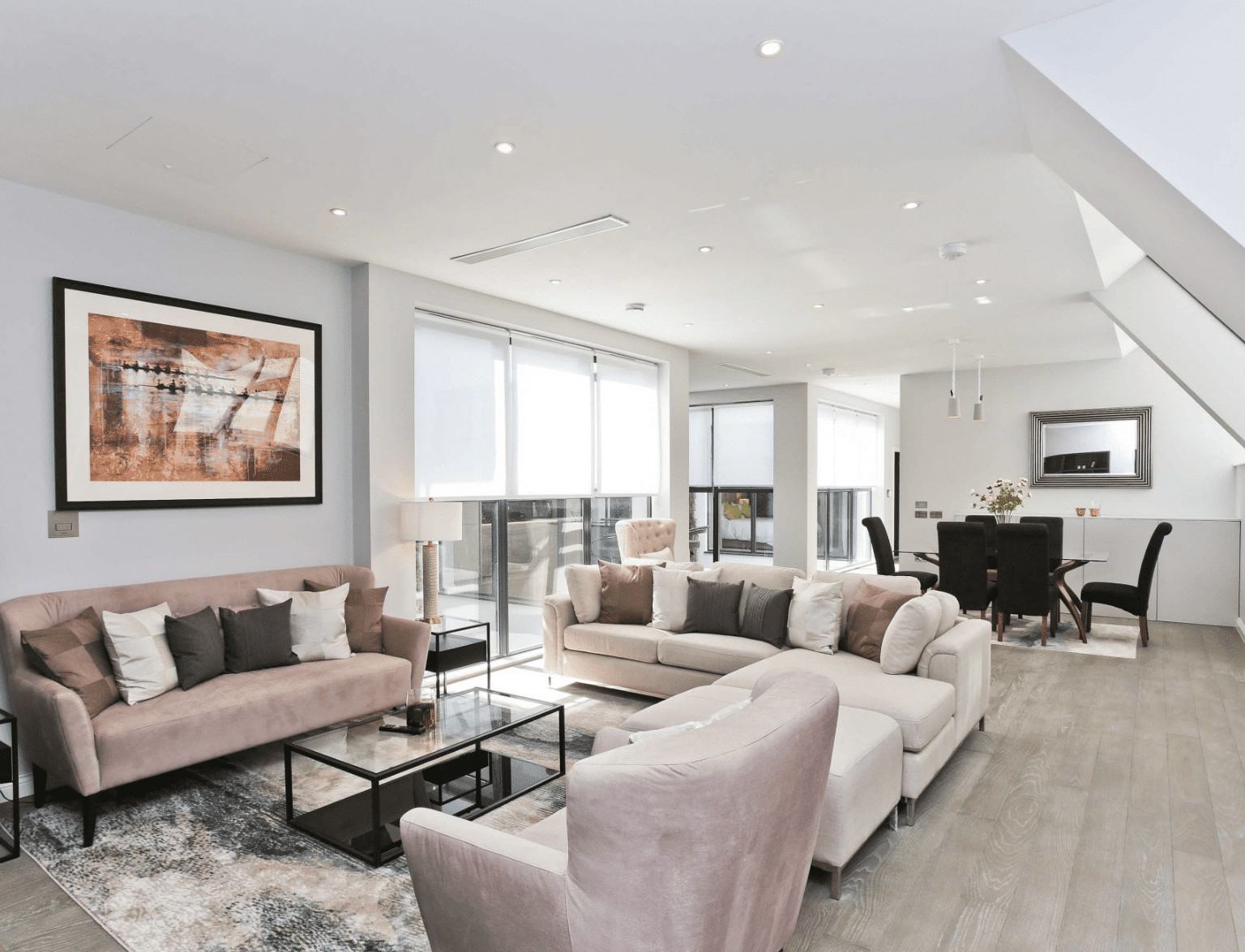
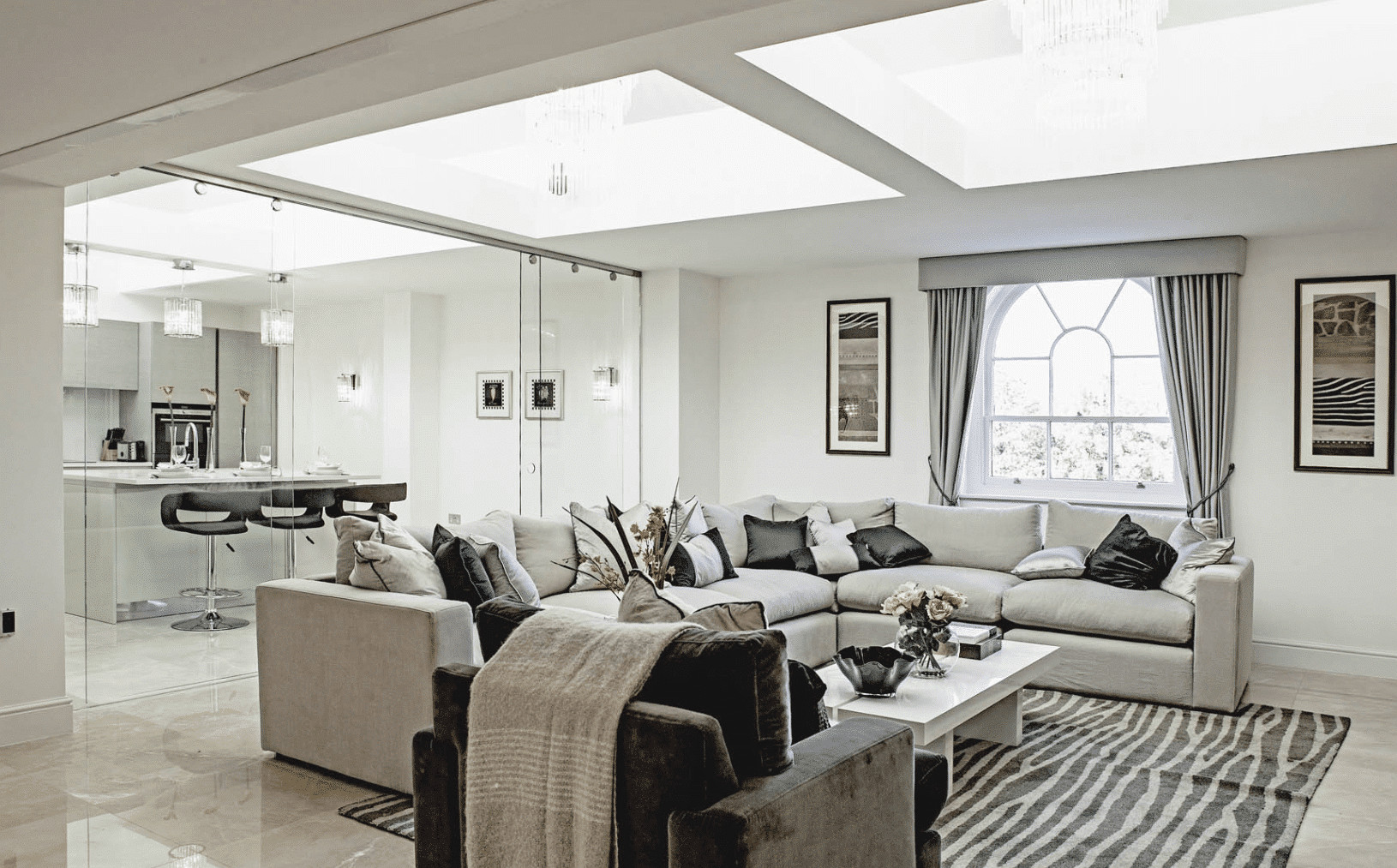
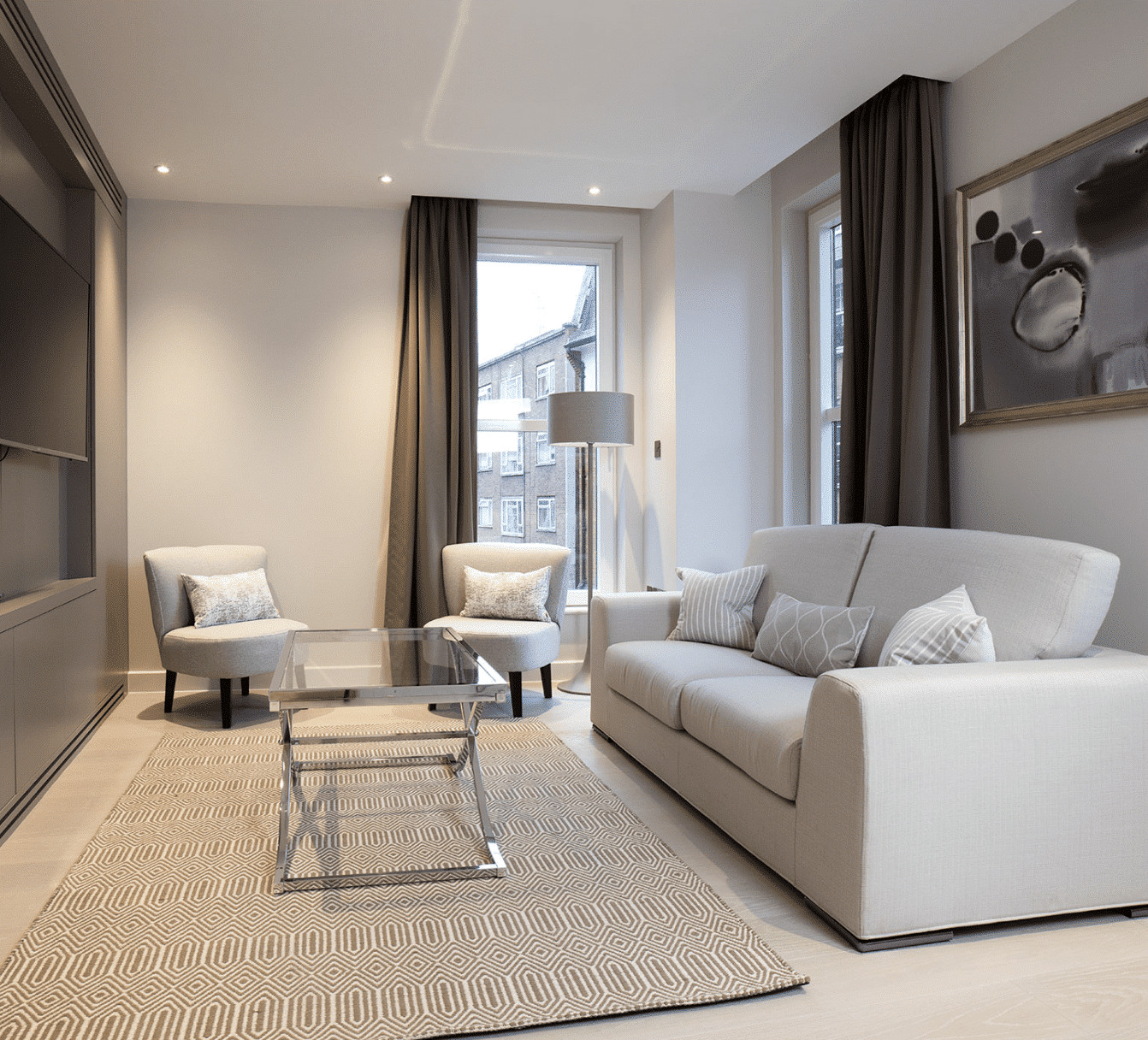
a Chiswick residential architect firm that creates Elegant designs
FAQ
Services
We offer a comprehensive suite of architectural services for Chiswick, our skilled architects each specialise in distinct disciplines. This diversity allows us to tailor our approach to meet the various facets of architectural design.