
PAYTE
Listed & heritage building builders Fulham
Principal Designer & Higher Risk Building Expert
We have specialised in listed buildings and heritage property renovations since 2013. Our Fulham team has renovated and restored luxury living spaces. This includes upscale Fulham apartments, elegant townhouses, and bespoke loft conversions.



Fulham listed building contractors
We focus on restoring, refurbishing, and renovating Grade I and II listed properties in Fulham. Our building team knows a lot about these structures. We make sure to approach every project with care and respect for the building’s architectural importance.
We design our Fulham building services for the unique needs of listed buildings, including Grade I and Grade II. Our builders can restore architectural details, fix masonry, or update buildings. They keep the historic charm intact. We are ready to deliver quality results for our clients.
Our construction team combines modern features with listed buildings. We keep their character and make them more usable. We offer kitchen and bathroom upgrades, as well as custom extensions. Our work meets planning and conservation rules. We make sure every addition fits well and adds value to your property.
We aim to design stylish, high-quality living spaces that fit your modern needs. We also celebrate the heritage and protected status of your Fulham property.
As professional listed building builders in West London, we are dedicated to designing and constructing high-quality conversions and extensions that complement your home’s aesthetic while maximising its potential.
heritage building services

To work on Fulham’s heritage properties, you need to understand their architectural importance. It also requires special skills to keep their unique character intact. We offer special contracting services for heritage properties. We make sure every detail is managed with care and precision.
Our building experts know how to work with heritage assets. They restore original features and make structural improvements to protect the property’s future. Our experts collaborate with heritage consultants, conservation officers, and skilled craftsmen.
They make sure all work meets preservation guidelines. This helps keep the quality and charm that make these buildings treasured.
Our heritage builders offer sympathetic refurbishments, façade restorations, and planned upgrades. We ensure each part respects the building’s past and prepares it for the future.
As trusted contractors for listed building in London, we are committed to delivering high-quality conversions and extensions that elevate both the aesthetics and functionality of your living space.
conservation area builders
Buildings in Fulham’s conservation areas need careful handling. This keeps their character and architectural integrity intact. We have extensive knowledge of conservation area projects in Fulham. This means we know the planning rules and restrictions for protected properties.
We provide renovations, extensions, and refurbishments for conservation areas. Our work fits well with the streets and improves the building’s comfort and function. We restore period details, upgrade interiors, and design new additions. We make sure all building projects follow local guidelines and conservation standards.
We take care of every step, from getting the right permissions to using traditional materials and skills.
historic buildings
We provide expert building services for historic properties. These buildings need skilled care and craftsmanship to maintain their integrity.
Our building team focuses on restoration, refurbishment, and renovation. We make sure each project keeps the building’s historic character and enhances its lifespan. We handle facade restoration, structural repairs, and timber and masonry conservation.
We use traditional materials and methods to preserve the building’s authenticity. Our construction works follow Fulham planning regulations. It combines modern convenience and historic character, giving your property charm and practicality.
period property construction
Our expert build team restores, refurbishes, and modernises period properties. We keep their architectural charm and original features. At the same time, we upgrade them for modern living.
Our Fulham team focuses on thoughtful renovations. We restore sash windows, cornices, and fireplaces. We also design extensions and upgrade interiors.
We blend traditional craftsmanship with modern solutions. Each project we complete respects the character of the period property. At the same time, it enhances practicality, comfort, and efficiency.
ARRANGE A FREE CONSULTATION
Arrange a meeting with an architect to discuss your listed building construction requirements, we offer clients a free 30-minute consultation.
FREE NO OBLIGATION CONSULTATION
VIRTUAL CONSULTATION AVAILABLE
ON SITE CONSULTATION AVAILABLE
Fulham Restoration & renovation services
Preserving Fulham’s heritage is our passion. We restore period and listed buildings with expert craftsmanship. From structural repairs to custom refurbishments, we bring them back to life.
Building Repair & Renovation
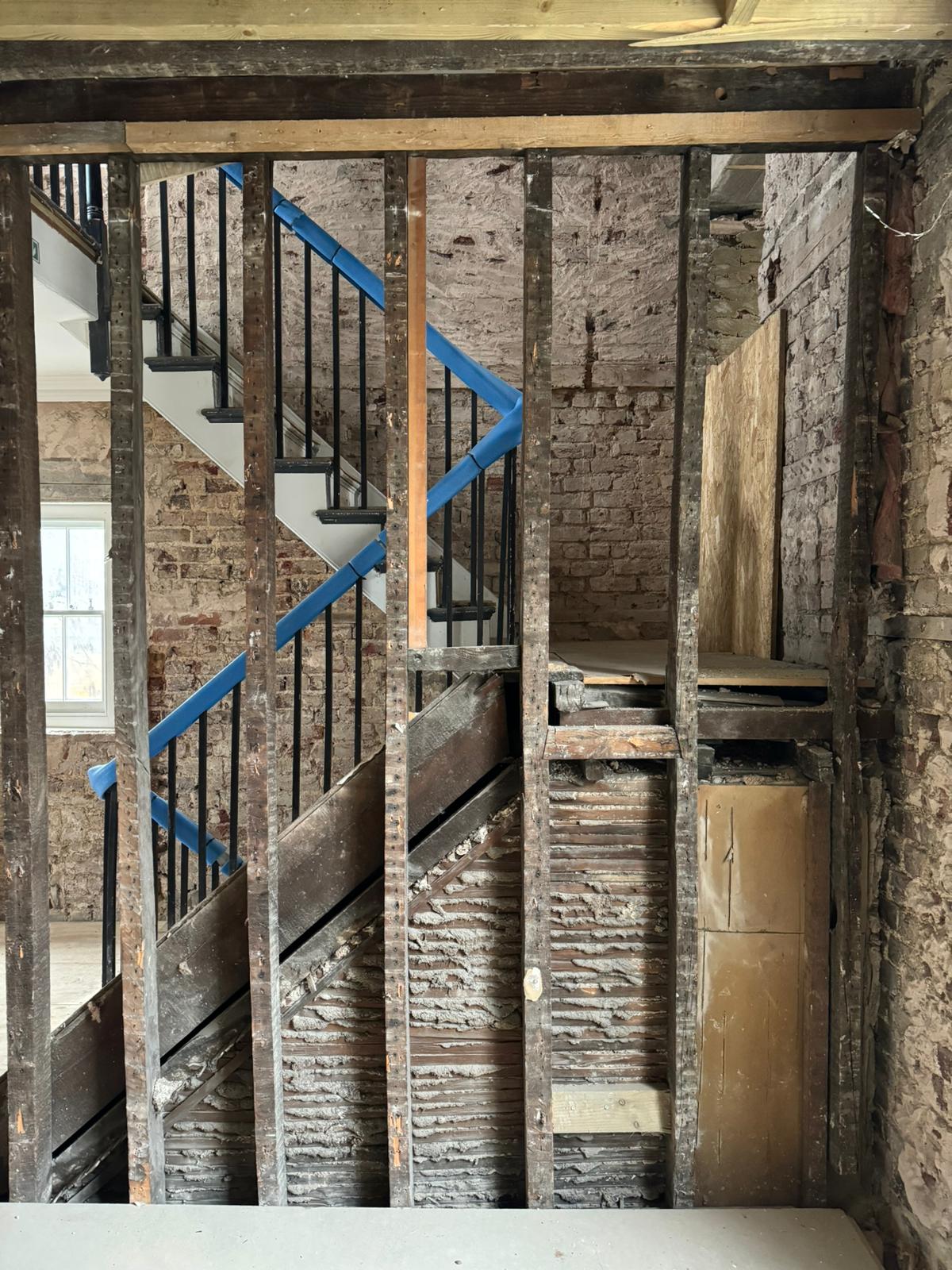
We offer expert repair, restoration, and renovation services for Grade I and Grade II listed buildings in Fulham. We do structural repairs, masonry conservation, façade restoration, and interior refurbishments. We use traditional materials and heritage-approved methods to follow conservation rules. Our team handles listed building consent applications. We make sure all work keeps the building’s historical integrity. At the same time, we enhance its durability and functionality.
Joinery and Carpentry Services
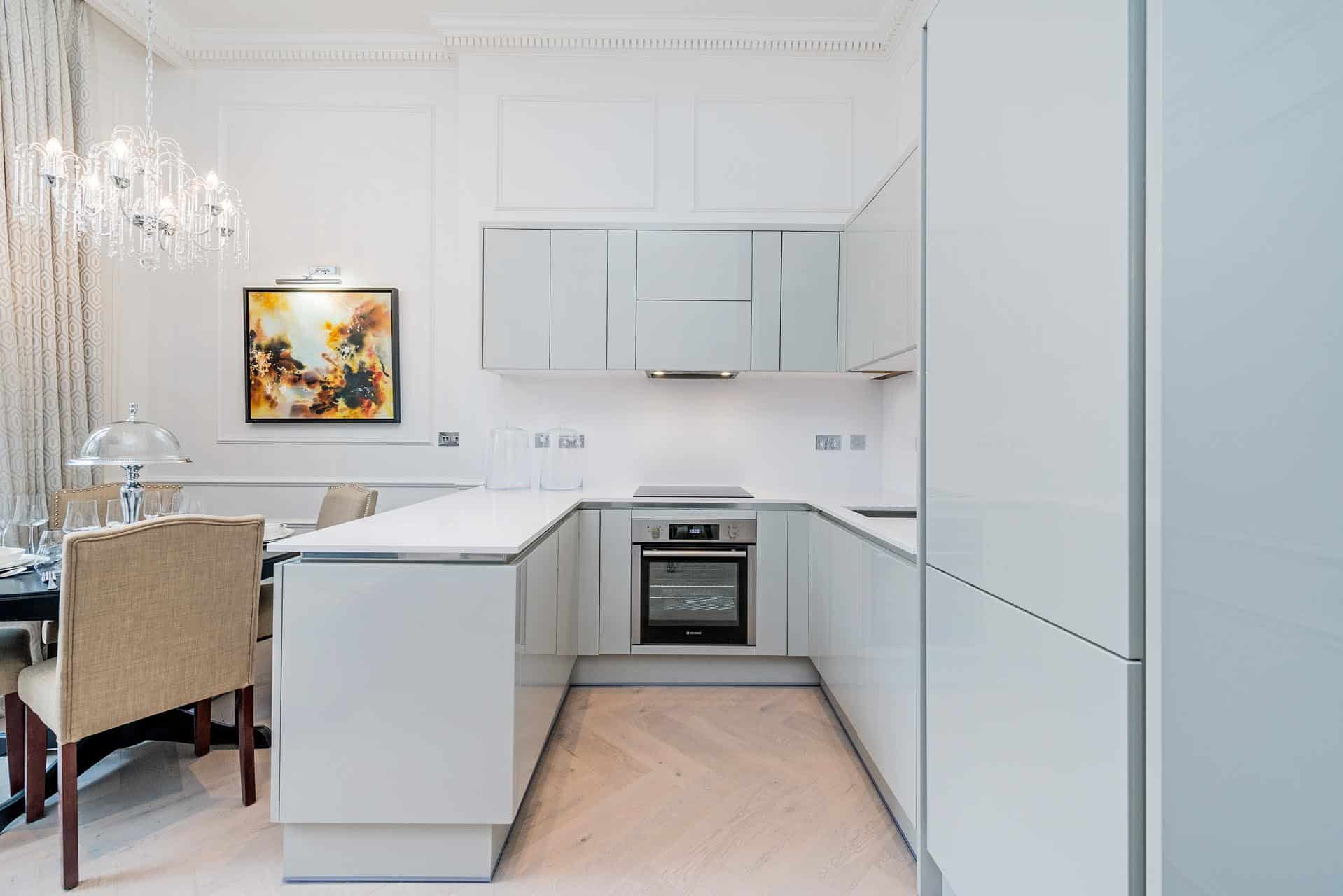
Our team offers joinery and skilled carpentry for heritage-listed and period properties. We restore and replicate original woodwork, panelling, mouldings, and staircases. We create and fit custom timber windows, doors, and cabinets that perfectly match period styles. We use traditional craftsmanship and modern precision. This ensures all joinery work boosts the authenticity and durability of Fulham properties.
Windows & Glazing Solutions
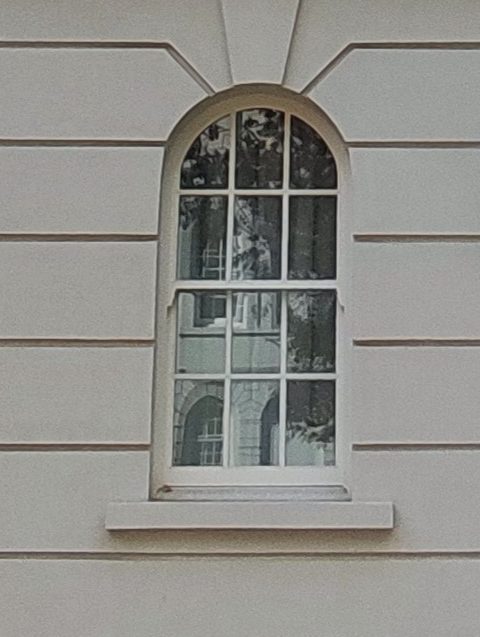
We restore, repair, and replace heritage windows. This keeps their original character while boosting energy efficiency and security. Our Fulham builders specialise in sash window restoration and draught-proofing. We also create bespoke timber window reproductions and offer secondary glazing. These options improve insulation and keep the historic charm intact. We repair and preserve leaded and stained glass. We keep intricate period details and follow conservation guidelines.
Professional Decorating & Painting
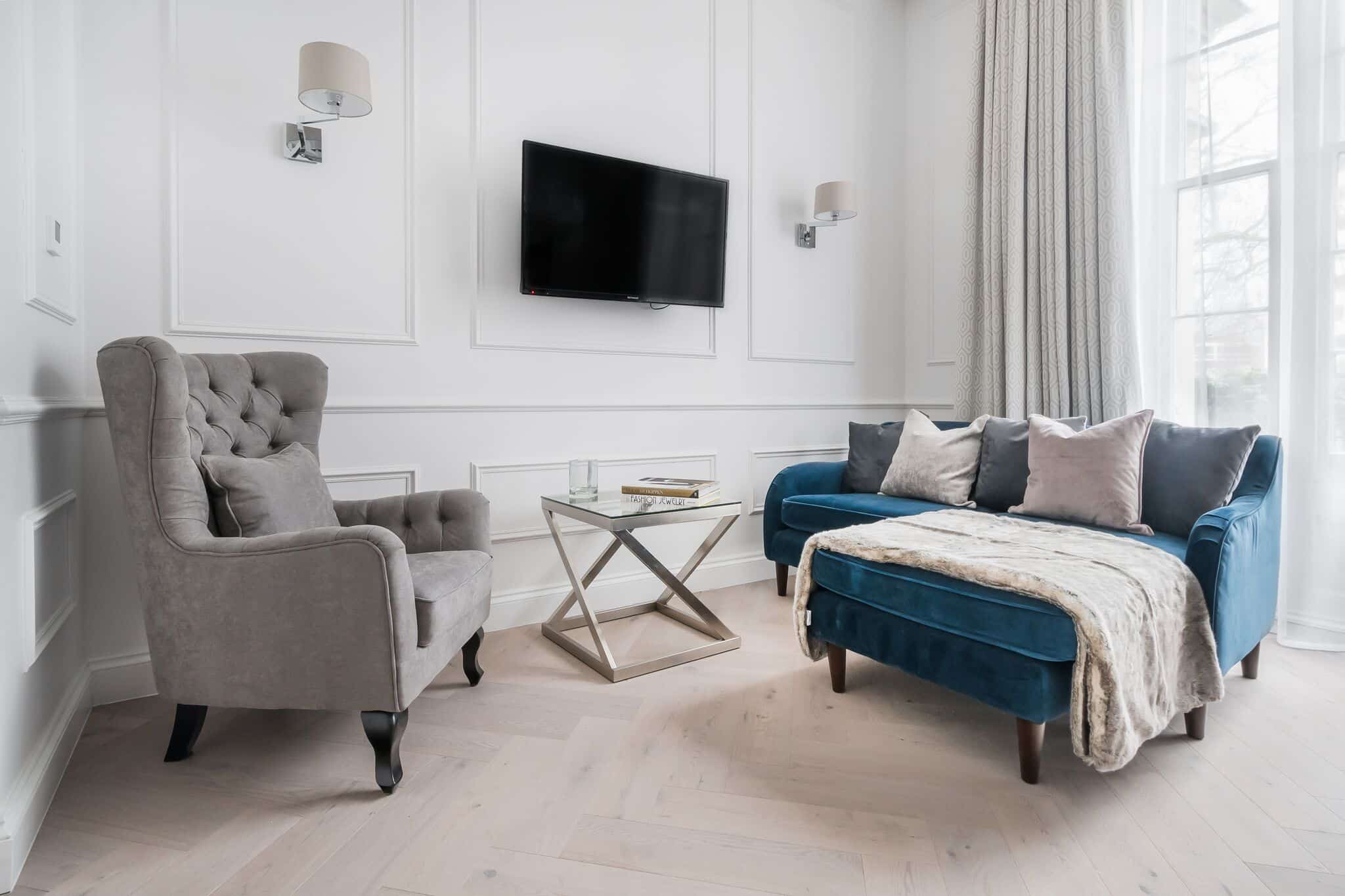
Our decorating experts provide heritage services. They restore and protect interior and exterior surfaces of listed and period properties. Our team uses lime washes and breathable heritage paints. This choice keeps walls durable and preserves the building’s original character. We restore decorative plasterwork, mouldings, and period details. We use colours and finishes that provide a precise representation of the property’s historical style.
Step-by-Step Building Renovation Services
Our process begins with an assessment to review the building’s condition and restoration needs. We secure listed building consent and ensure compliance with heritage regulations. Our builders restore key architectural features using traditional materials. They also add modern upgrades with care.
Assessment & Consultation
We start with a detailed on-site assessment. This helps us see the property’s design, its structure, and its history. Our team partners with homeowners, developers, and conservation specialists. We outline the project scope and handle planning and heritage restrictions. We pride ourselves on our deep knowledge of heritage buildings. We make sure each project gets the care and expertise it deserves.
Planning & Compliance
Listed building projects need careful planning and compliance. Our team manages this process with ease. We manage listed building consent applications. We work with local authorities and conservation officers. We also create detailed restoration plans that honour your property’s original character. Fulham clients can trust that their project follows legal rules and heritage best practices.
Construction & Restoration
Our expert builders and heritage specialists handle each project with care for the building’s history. Using heritage-approved materials, we restore architectural elements, like stonework, timber structures, and plasterwork. Our team adds modern features when needed, such as hidden electrical, heating, and insulation upgrades. This keeps your listed building comfortable, functional, and compliant.
Finishing & Aftercare
We are committed to achieving great results that ensure the long-term care of listed buildings. After we complete the restoration, we carry out detailed inspections and final touches. This ensures we meet the highest craftsmanship standards. Our builders offer expert advice on maintenance and conservation. This helps keep your property safe for future generations. Our team is always available for continued support.
why work with us?
Fast Turn Around
Our Fulham building specialists deliver projects efficiently and on time. We use expert planning and skilled work to make construction faster. This helps reduce delays and guarantees timely completion.
Fixed Pricing
Our team offer clear, fixed-cost estimates for building services. This helps clients budget with confidence. Our transparent approach eliminates unexpected expenses and ensures financial clarity throughout the project.
We Maximise Value
We improve your property’s lifespan and value by combining quality work with affordable solutions. We focus on durability, function, and looks to get the best return on investment.
Turnkey Operation
We manage every part of the build. We bring together trades, suppliers, and specialists. This way, we ensure the project runs smoothly and efficiently. Our hands-on management reduces stress and ensures a hassle-free experience.
FAQ
Services
We offer a comprehensive suite of architectural services for Fulham, our skilled architects each specialise in distinct disciplines. This diversity allows us to tailor our approach to meet the various facets of architectural design.