
PAYTE
Architects Lambeth
Principal Designer & Higher Risk Building Expert
Our Lambeth architects focus on innovative designs for residential and commercial clients. They ensure their work meets RIBA’s architecture standards.



RIBA Architect in Lambeth
Our RIBA supervisors in Lambeth ensure every ARB project receives the right expertise. RIBA certification guarantees quality and offers resources for resolving disputes.
Our extension architecture and loft conversions are clever ways to create space and boost value.
RIBA and ARB-certified, our architects manage every project with care and professionalism.
A true quality South London architect practice should be able to merge innovative design with legal compliance for a seamless architectural experience.
Professional ARB Architects Lambeth

Our ARB architects in Lambeth provide quality architectural services. They follow the highest professional standards.
Our clients enjoy expert knowledge, innovative designs, and sustainable practices. ARB architects must have professional indemnity insurance.
This need builds trust and satisfaction in the town’s architectural scene.
Our skilled architects in London handle every detail of the planning process.
ARRANGE A FREE CONSULTATION
Book a free consultation with one of our ARB or RIBA London Architects today. Enjoy a complimentary 30-minute session!
FREE NO OBLIGATION CONSULTATION
VIRTUAL CONSULTATION AVAILABLE
ON SITE CONSULTATION AVAILABLE
Leading Architect Firm in Lambeth
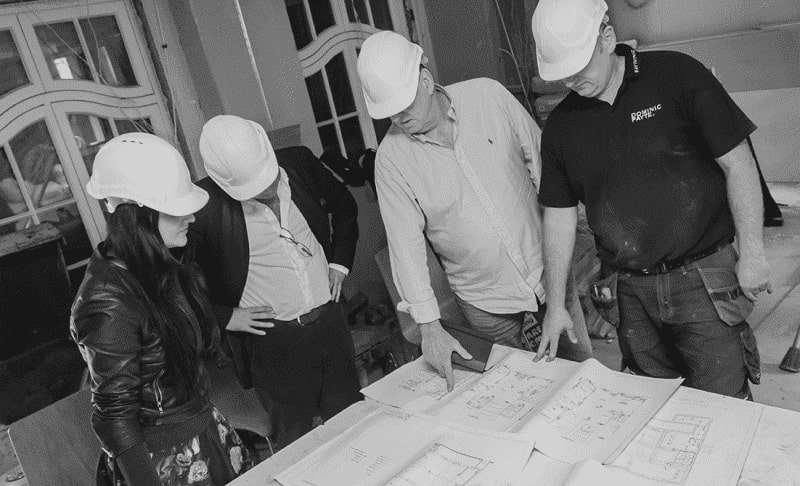
We create spaces that blend style and comfort. This makes homes in Lambeth inviting and offices efficient. Our interior and landscape architects prioritise sustainable designs to create beautiful environments.
We specialise in extension architecture and loft conversions. Our creative solutions increase both space and property value.
We are RIBA and ARB-certified architects. Over time, our firm has built an impressive portfolio.
Innovative Designs Crafted by an architect in Lambeth
Our expert architects in Lambeth create innovative, functional, and sustainable spaces. Our architectural services in Lambeth enhance how you live and work. We design elegant solutions for residential extensions, custom new builds, and renovations. We are one of the leading architecture practices Lambeth has to offer, our team blend style with modern practicality.
Free Initial Consultation
During your free 30-minute consultation, our architect in Lambeth discuss your vision, design choices, project scope, and budget. If you’re renovating or building, this initial conversation connects your ideas to what’s possible.
Full Architecture Service
We provide tailored architectural services in Lambeth. This includes assessments, drawings, 3D visualisations, planning applications, and tender management. For renovations or new builds, we make sure the Lambeth project fits your needs.
Planning & Permissions
Our Lambeth team focus on planning for design projects. We handle everything from the initial idea to final delivery. We are skilled at navigating regulations, zoning laws, and building codes. This makes approvals easier.
Complete Building Works
We’re a full-service firm with in-house architects, interior designers, and builder. Our team works together to guide your project from start to finish. We bring expertise for a smooth experience.
General information only. Planning and licensing rules change and depend on the individual property. This article is not legal or professional advice.
TWO STOREYS UP IN LAMBETH: HOW CLASS AA PRIOR APPROVAL WORKS
In 2020, the government created a right that still sounds implausible when said out loud: you can add up to two full storeys to your own house without planning permission. It sits in Part 1, Class AA of the General Permitted Development Order, and in a borough like Lambeth — where families outgrow houses faster than they can afford to move — it gets a lot of hopeful attention.
Our take is that the right is real but narrower than the headlines, and Lambeth’s geography narrows it further.
What the right actually allows
The house must have been built between 1 July 1948 and 28 October 2018 — so most of the borough’s Victorian stock is excluded at the first hurdle. A two-storey house can add two storeys; a bungalow, one. The new storeys must sit on the principal part of the house, the extended house can’t exceed 18 metres, each new storey is height-limited by reference to the existing ones, and the enlarged roof must match the existing pitch and materials.
No balconies or roof terraces come with it, and engineering works are limited to what’s needed to strengthen the structure.
Then the exclusions: the right doesn’t exist on article 2(3) land — conservation areas included — or on listed buildings. In Lambeth, with conservation areas blanketing much of Clapham, Stockwell, Herne Hill and Brixton, that removes a large slice of the map before you start. The postwar and later housing outside those areas is where Class AA genuinely lives.
Prior approval: the part people underestimate
Class AA isn’t a free pass; it’s a right subject to prior approval from Lambeth. The council assesses external appearance (including the front elevation and any side facing a road), the impact on neighbours’ amenity — overlooking, privacy and loss of light — air traffic and defence considerations, and protected views. The Planning Portal’s guidance on prior approval explains the procedure; the application is determined within eight weeks, and neighbours are consulted.
External appearance is where most refusals happen. A straight vertical extrusion of a modest semi rarely convinces anyone, and inspectors have upheld refusals on design grounds often enough that the “permitted” in permitted development shouldn’t be read as “guaranteed.”
What We Think
The honest way to think about Class AA is as a different route to permission, not an absence of one — with a shorter checklist but real design scrutiny at the end of it.
Where a house qualifies, the questions worth answering early are structural (can 1960s foundations take two storeys?), contextual (what does the street’s roofline do?), and practical (where does the stair go without eating the first floor?).
One distinction worth keeping clear: adding storeys to your own home is Part 1, Class AA. Building new flats on top of existing buildings is a separate regime under Part 20, with its own rules — a different tool for a different job.
architects in Lambeth for Planning, Design, and Project Management
Site Analysis and Feasibility Studies
Our Lambeth architects assess your property’s surroundings. This way, the project fits with the site conditions. We handle local zoning laws and regulations, especially for conservation areas.
Conceptual and Schematic Designs
Our team of architects develop creative solutions to design your dream home, rear extension, or extra spaces. We ensure a strong foundation for a successful Lambeth project.
Building Information Modelling (BIM)
Our architectural services in Lambeth offer a full set of 3D models to aid clients in visualising their project. This helps in making informed decisions, ensuring seamless coordination throughout.
Building Planning and Zoning Compliance
Our Lambeth team handles tasks like obtaining planning permission for clients. We manage applications, create planning drawings, and ensure all requirements are met.
Technical and Interior Design Solutions
Our expertise in technical and interior design means every detail of your project captures your unique style. Our architect in Lambeth ensures compliance with building regulations and structural needs.
London Building Project Management
We have a background in technical and interior design. This helps us make sure your project reflects your unique style. This guarantees we meet all building regulations and structural needs.
Sustainability and Energy Efficiency Consulting
Our Lambeth architectural designs create energy-efficient spaces. This helps us to reduce any environmental impact. We focus on building sustainable and energy-efficient properties.
Building Documentation And Planning
Our architects in Lambeth handle everything from the first designs to the full set of documents; this includes structural details. This ensures that structural engineers and contractors have the needed information.
Cost Estimation and Value Engineering
Our Lambeth architectural firm blends budget and quality. We deliver cost-effective solutions for your project. Whether it’s a dream home or an extension requiring planning, we ensure the best results.
why use our architect services in Lambeth?
Fast Turn Around
Our architect practice completes projects quickly and efficiently. Our experts use smart planning to get the job done. Our skilled team streamlines the project management process for fast completion.
Fixed Pricing
Our architects in Lambeth offers clear, fixed prices for architecture and building services. This helps clients understand their costs upfront. This approach enables confident budgeting and eliminates unexpected expenses.
We Maximise Value
We help clients achieve great results in their architecture projects. We balance investment and functionality. Our expert advice improves your property’s quality and design. This way, you get the best financial value.
Turnkey Operation
Our Lambeth architects firm makes things easier by uniting our architects, interior designers, and builders. This teamwork ensures smooth and seamless collaboration and effective project management.
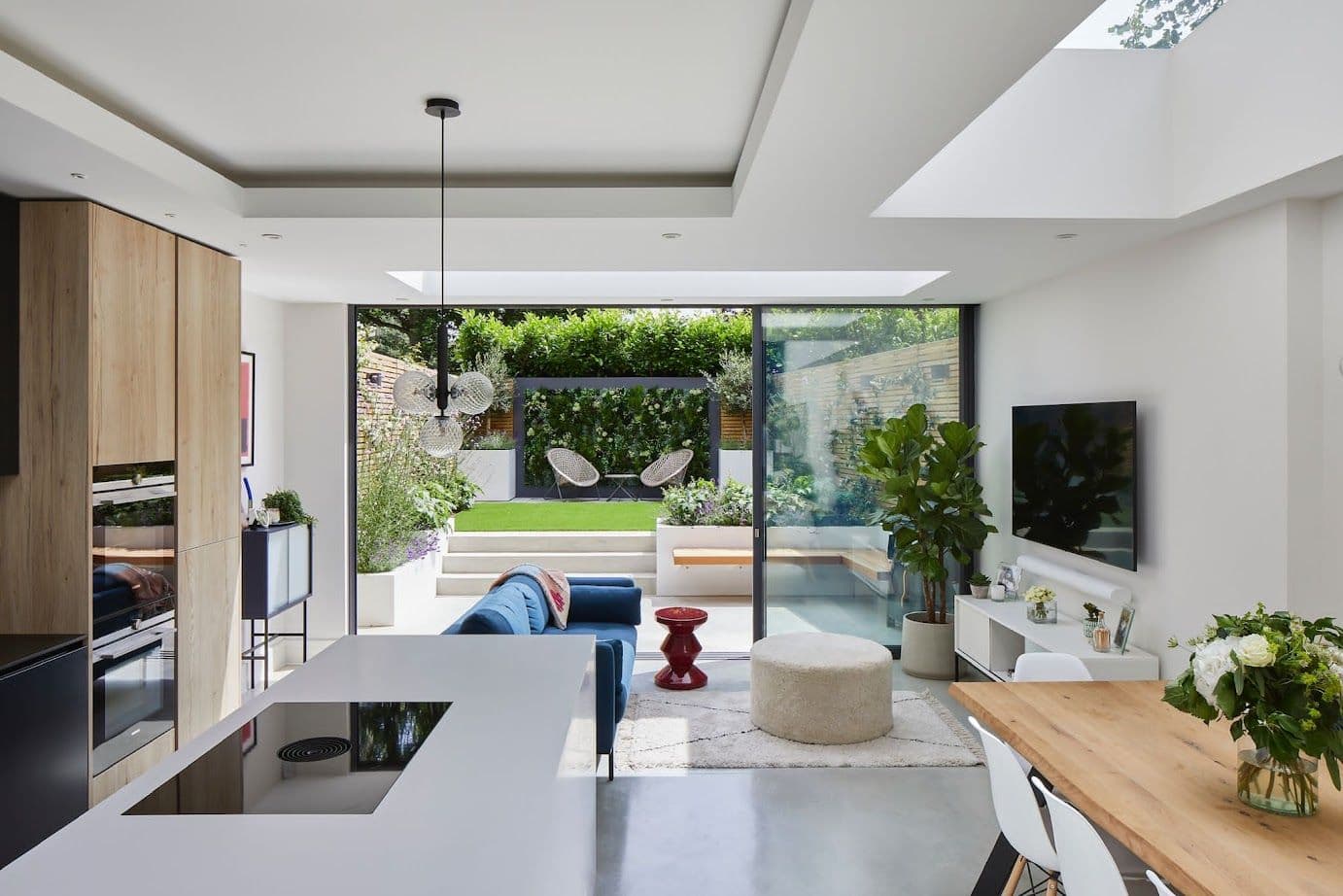
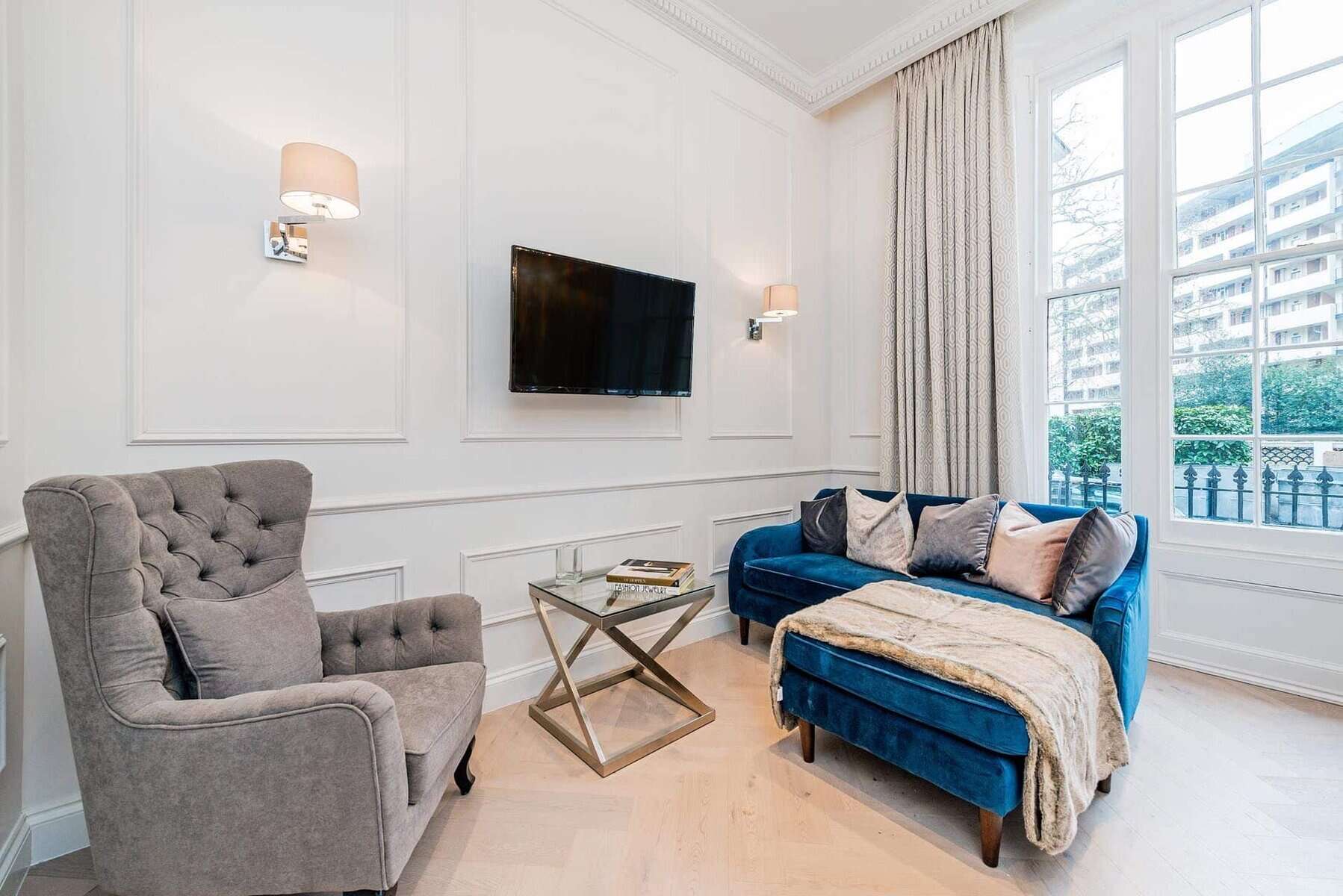
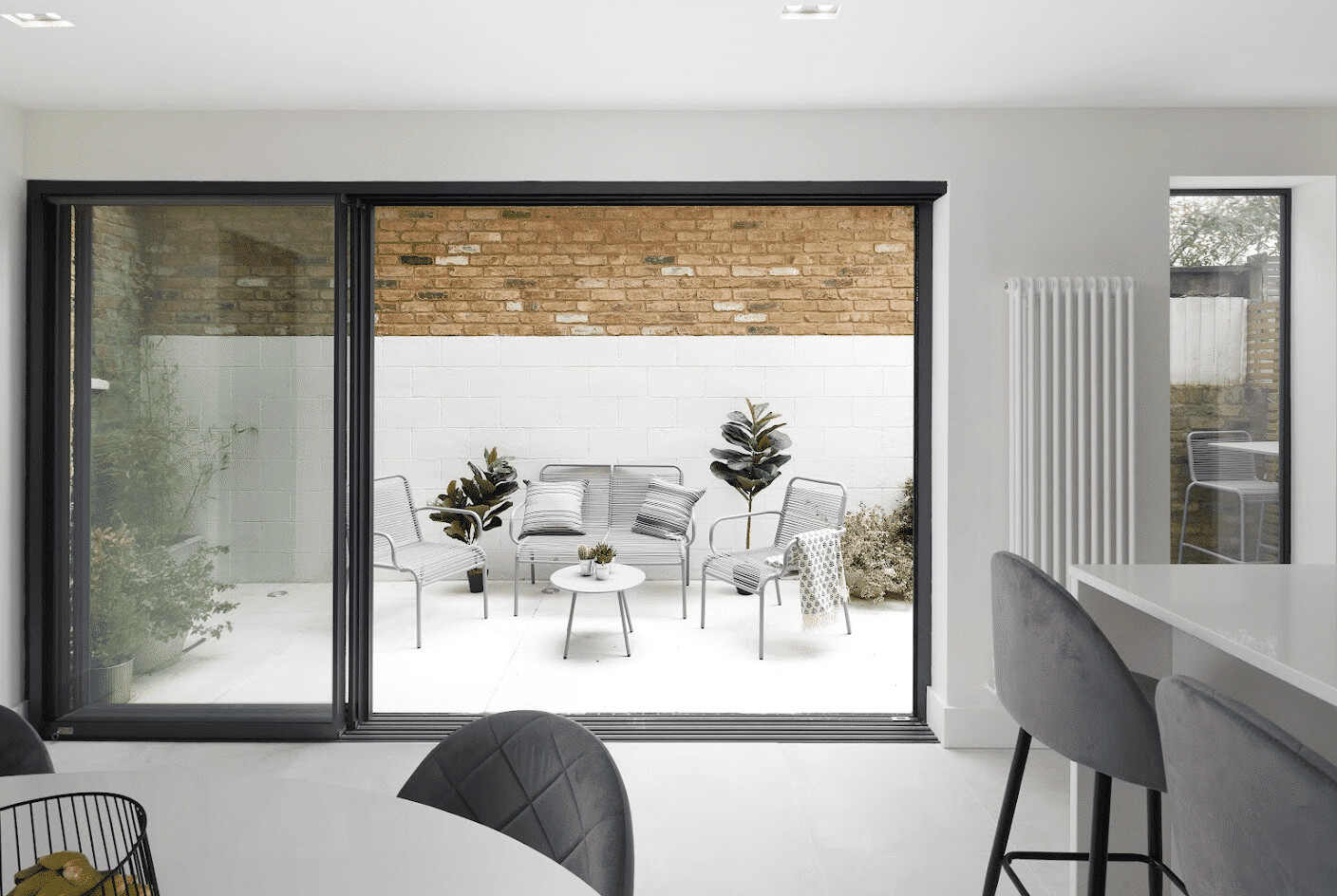
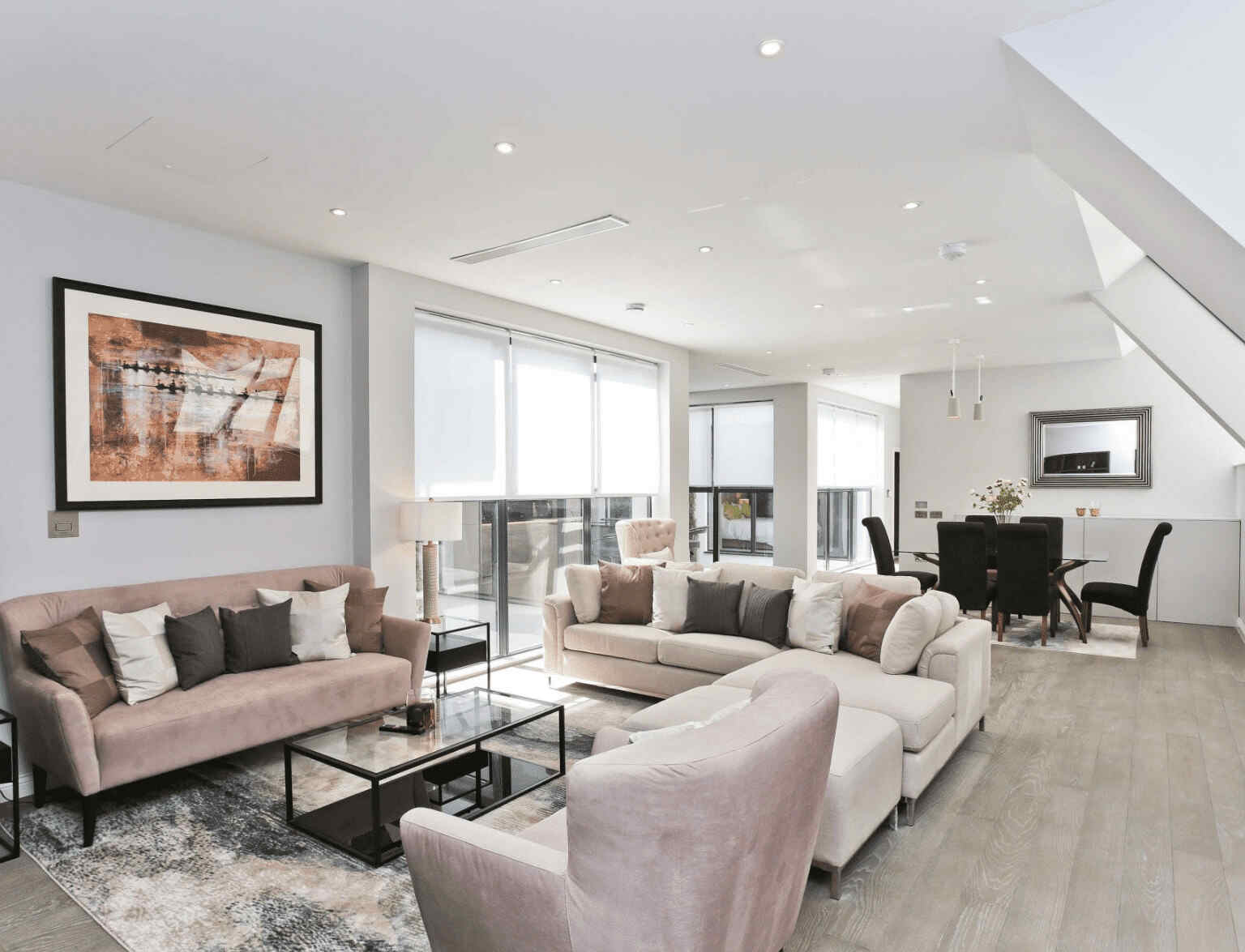
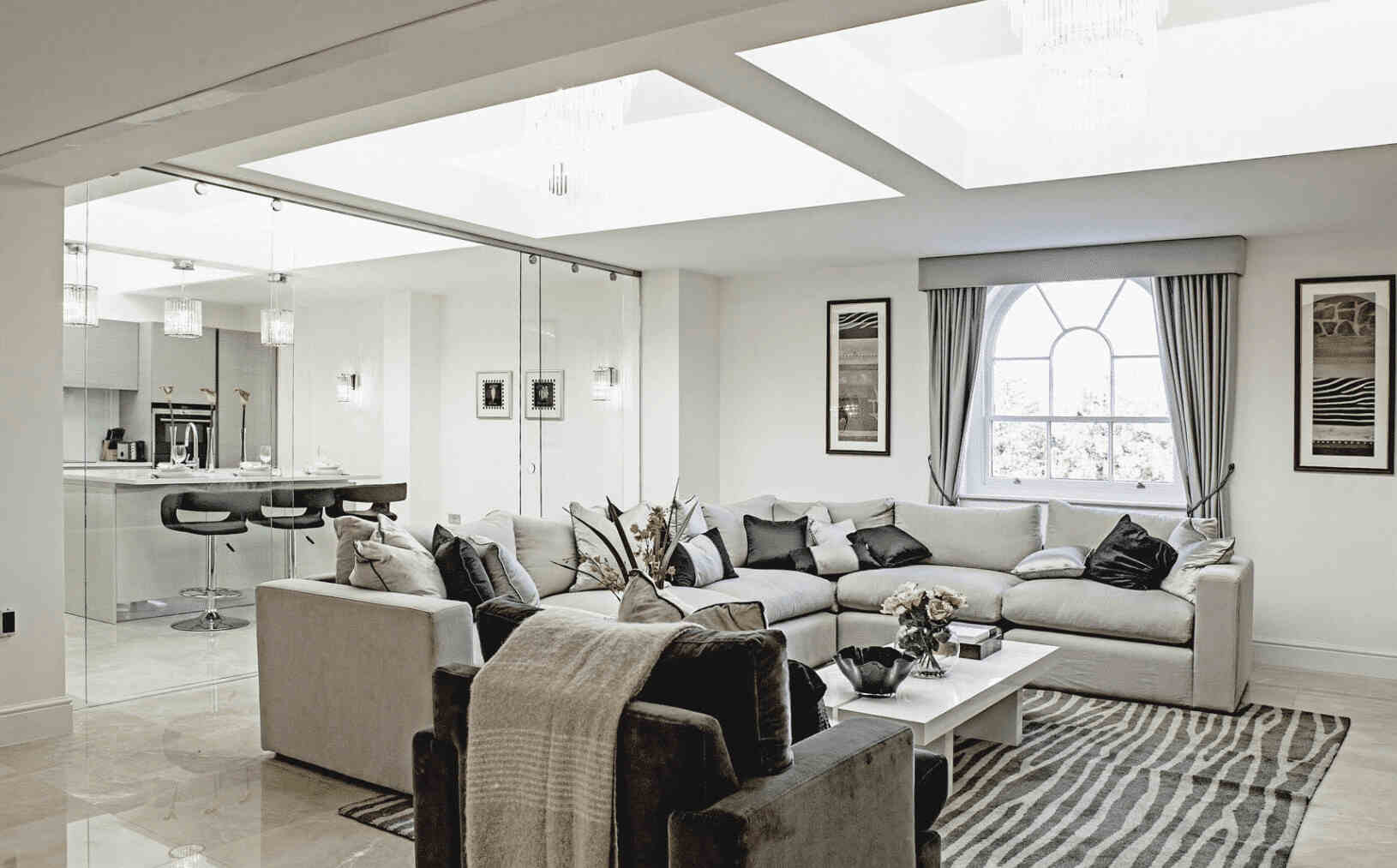
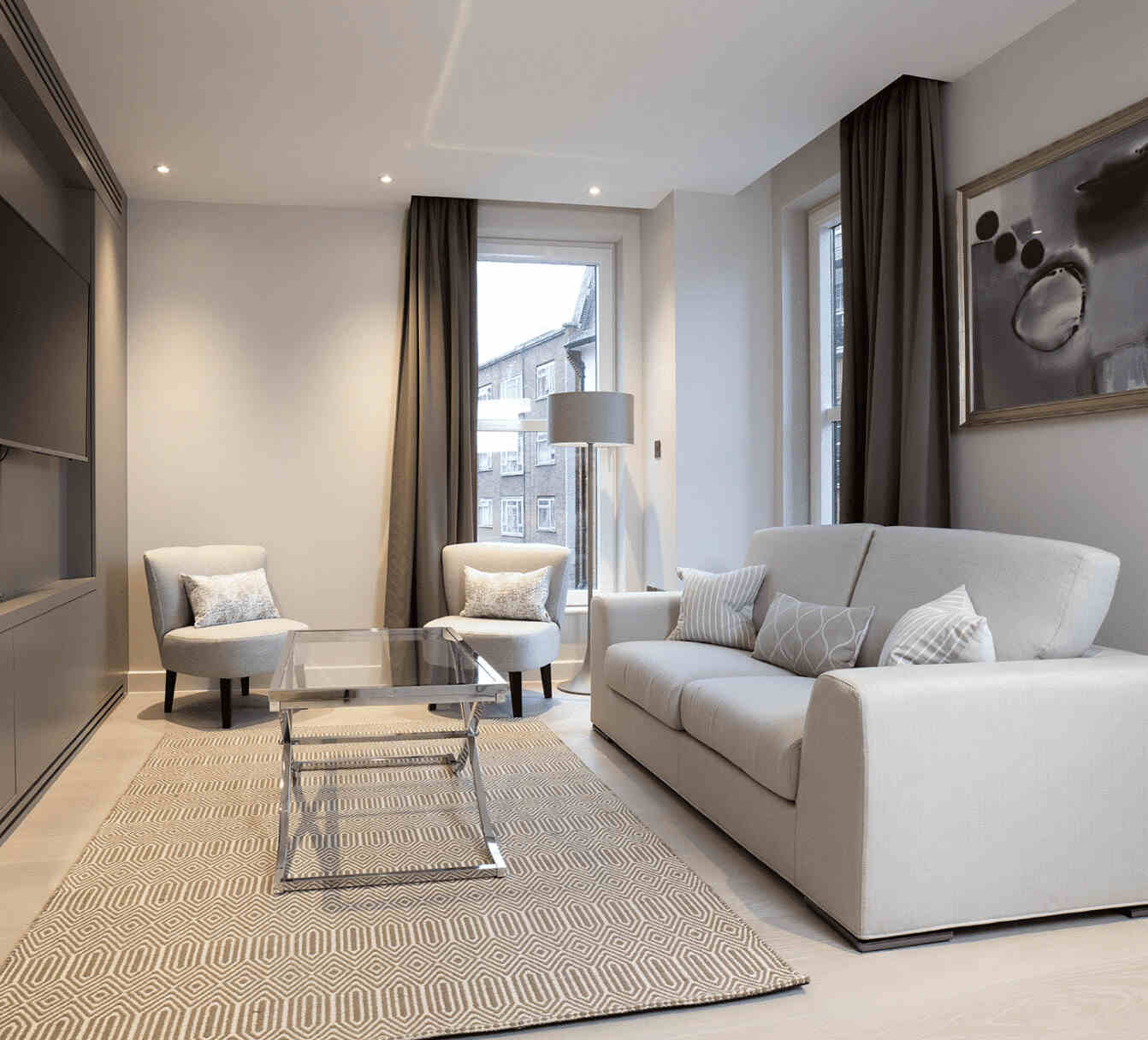
a Lambeth architecture firm that creates Elegant designs
General information only. Planning and licensing rules change and depend on the individual property. This article is not legal or professional advice.
WHY DIFFERENT LAMBETH POSTCODES PAY DIFFERENT CIL
Build the same block of flats in Waterloo and in Streatham and the council will send you two very different bills. That isn’t an anomaly or a negotiation gone wrong — it’s the system working as designed, under regulation 13 of the CIL Regulations 2010, which allows a charging authority to set different levy rates for different zones and different kinds of development, provided the differences are justified by evidence of economic viability.
Lambeth uses that power more visibly than most boroughs, and understanding why tells you a lot about how the levy really works.
The four-zone map
Under Lambeth’s charging schedule, in force since January 2022, the borough is divided into four zones for residential development. Zone A covers Waterloo and Vauxhall Nine Elms, at a base rate of £500 per square metre; Zone B — Kennington, Oval and Clapham — sits at £350; Zone C, covering Brixton, Herne Hill and Tulse Hill, at £250; and Zone D, taking in Streatham, Streatham Hill and West Norwood, at £200.
All of these are then indexed upwards each year, so the payable figure is materially higher than the base — the council publishes the current numbers in its annual CIL rate summary, and its online CIL calculator will locate your site’s zone and do the arithmetic. The Mayoral CIL applies on top, borough-wide.
Why the law allows postcodes to matter
Regulation 13’s logic is viability. CIL is meant to skim a share of development value for infrastructure without making development undeliverable — and development value in Lambeth varies enormously across a few miles.
A flat sold off-plan in Nine Elms and one in West Norwood support very different land values, so a single borough-wide rate would either overcharge the south of the borough into stasis or undercharge the north absurdly.
The zones follow the viability evidence the council had to put before an independent examiner before the schedule could be adopted; differential rates can’t simply be asserted, they have to be proven.
The practical consequence is sharper than people expect: your rate is fixed by where the red line sits on the zone map, not by what your particular scheme can afford.
A marginal site in Zone B pays Zone B rates. There is no appeal on the ground that your project is less profitable than the zone assumes.
Our Opinion
For anyone appraising a site in Lambeth, the zone map is a due-diligence document as important as the title plan — and sites near a zone boundary deserve particular care, because a boundary street can mean a five-figure difference on a modest scheme.
Check the zone, apply the current indexed rate, add the Mayoral charge, and do it before agreeing a land price. The postcode premium in Lambeth isn’t just what buyers pay; it’s what the levy charges you for being there.
FAQ
Services
We offer a comprehensive suite of architectural services for Lambeth, our skilled architects each specialise in distinct disciplines. This diversity allows us to tailor our approach to meet the various facets of architectural design.