
PAYTE
Architects Barnes
Principal Designer & Higher Risk Building Expert
Our Barnes architects work hard to create fresh projects for many clients. We handle both residential and commercial buildings. We follow RIBA guidelines for our projects. We aim to create architecture that is both sustainable and beautiful.



RIBA Architects in Barnes

Our RIBA supervisors in Barnes guide and approve projects by ARB architects. RIBA accreditation brings key benefits like quality assurance and expert advice.
Our firm is known for extension architecture and loft conversions. We provide creative solutions that increase space and property value.
Certified by RIBA and ARB, our architects ensure each project flows seamlessly.
A trusted West London architect company needs to be able to create designs that integrate modern aesthetics with compliance requirements.
Professional ARB Architects Barnes

Our ARB architects in Barnes offer full architectural services. We are committed to professional practices. In Barnes, clients enjoy our expert knowledge, creative design, and sustainable methods.
We have ARB architects with mandatory indemnity insurance. This ensures reliability and safety in architecture.
Our team is here to help with your planning application and provide consultancy services throughout the process.
If you’re looking for an architect in London, we offer comprehensive planning guidance for all project types.
ARRANGE A FREE CONSULTATION
Arrange a free consultation with one of our ARB or RIBA architects today. We offer clients a 30-minute session at no cost.
FREE NO OBLIGATION CONSULTATION
VIRTUAL CONSULTATION AVAILABLE
ON SITE CONSULTATION AVAILABLE
Leading Architect Firm in Barnes
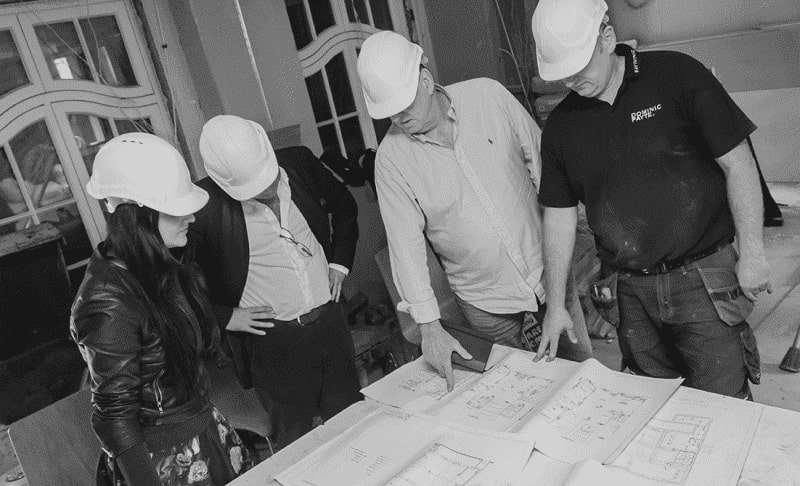
In Barnes, we aim to create personal spaces. This includes warm home updates and professional office designs. We focus on sustainability, crafting interiors and landscapes that clients connect with.
Our architects focus on extensions and loft conversions. They provide creative solutions to increase space and raise property value.
Certified by RIBA and ARB, our firm has developed a portfolio of luxurious projects over the years.
Innovative Designs Crafted by an architect in Barnes
Our expert architects in Barnes create innovative, functional, and sustainable spaces. Our architectural services in Barnes enhance how you live and work. We design elegant solutions for residential extensions, custom new builds, and renovations. We are one of the leading architecture practices Barnes has to offer, our team blend style with modern practicality.
Free Initial Consultation
During your free 30-minute consultation, our architect in Barnes discuss your vision, design choices, project scope, and budget. If you’re renovating or building, this initial conversation connects your ideas to what’s possible.
Full Architecture Service
We provide tailored architectural services in Barnes. This includes assessments, drawings, 3D visualisations, planning applications, and tender management. For renovations or new builds, we make sure the Barnes project fits your needs.
Planning & Permissions
Our Barnes team focus on planning for design projects. We handle everything from the initial idea to final delivery. We are skilled at navigating regulations, zoning laws, and building codes. This makes approvals easier.
Complete Building Works
We’re a full-service firm with in-house architects, interior designers, and builder. Our team works together to guide your project from start to finish. We bring expertise for a smooth experience.
General information only. Planning and licensing rules change and depend on the individual property. This article is not legal or professional advice.
THE 8-METRE RIVERBANK RULE MOST OWNERS IN BARNES HAVE NEVER HEARD OF (EA BYELAWS)
Ask a room full of riverside homeowners what they can build in their own back garden and most will talk about planning permission. Almost none will mention the Environment Agency — and in Barnes, of all places, that’s the gap in the room. Because if your garden runs down towards water here, there’s a protected strip along the bank that belongs, in regulatory terms, to the river’s needs before yours. Most owners find out about it from an enforcement letter. We’d rather you heard it from us.
The rule itself
Alongside the byelaws that have long protected the Thames’s banks, works near a main river are now regulated through flood risk activity permits under the Environmental Permitting Regulations 2016. The government’s guidance puts it plainly: you need a permit for any activity within 8 metres of the bank of a main river — or of any flood defence structure or culvert on it. That covers far more than anyone expects. Sheds. Garden walls. Decking. Fence posts. Repaving. Scaffolding. Repairing the bank itself, even with the best intentions. Eight metres, measured from the top of the bank, reaches a long way up a Barnes garden — often past the end of the lawn and into territory people think of as unambiguously theirs.
Two things about this rule catch people out, and we make a point of saying both early. First, it’s completely separate from planning permission — having one doesn’t grant the other, and the Environment Agency is explicit that a permit shouldn’t be assumed just because the council said yes. Second, it exists for a reason we happen to think is a good one: the Agency needs the bank stable and the strip alongside it clear enough to access and maintain the river. A shed built hard against the bank isn’t just paperwork missed; it’s a flood defence problem someone will eventually have to unpick.
Now the part that’s very Barnes
Here’s the detail that most articles on “the 8-metre rule” miss, and the reason we wanted to write this one properly. The 8 metres applies to non-tidal main rivers. On a tidal main river, the protected strip is 16 metres — and the Thames at Barnes is tidal, all of it, because Barnes sits downstream of Teddington Lock. So along The Terrace and the towpath frontage, the buffer isn’t 8 metres. It’s double.
Where the 8-metre figure genuinely earns its keep in Barnes is on the other water: Beverley Brook. It’s easy to think of it as a stream — it winds through Barnes Common, past Barn Elms and the Wetland Centre, and along the bottom of a surprising number of gardens — but it’s a designated main river, and the 8-metre rule runs along its banks just as firmly as any grander waterway.
In our experience, this is where owners are most exposed: nobody replaces a fence beside the Thames without a second thought, but plenty of people have re-landscaped a garden backing onto the brook without ever suspecting a permit question existed. If we had to pick the single most under-appreciated line on a Barnes site plan, it’s the top of Beverley Brook’s bank plus eight metres.
What we do about it
When a Barnes project comes to us with water anywhere near the boundary, the buffer goes onto the survey drawing on day one — measured, drawn, and treated as a design constraint alongside everything else. Plenty of good things can still happen inside it; the permit system allows for sensible works, some minor activities are excluded, and the Agency is far more constructive when approached before the concrete arrives than after. What we won’t do is design as if the strip isn’t there and hope. Unpermitted works near a main river are an offence, the Agency can require removal, and we’ve yet to meet the garden structure worth that correspondence.
If your garden touches the Thames or the brook and you’re planning anything at all near the water, measure first. It’s one tape measure and one map against a genuinely avoidable mess — and if the answer lands inside the strip, that’s not the end of the idea. It’s just the point where the design gets more careful, which is the part we enjoy.
architects in Barnes for Planning, Design, and Project Management
Site Analysis and Feasibility Studies
Our Barnes architects assess your property’s surroundings. This way, the project fits with the site conditions. We handle local zoning laws and regulations, especially for conservation areas.
Conceptual and Schematic Designs
Our team of architects develop creative solutions to design your dream home, rear extension, or extra spaces. We ensure a strong foundation for a successful Barnes project.
Building Information Modelling (BIM)
Our architectural services in Barnes offer a full set of 3D models to aid clients in visualising their project. This helps in making informed decisions, ensuring seamless coordination throughout.
Building Planning and Zoning Compliance
Our Barnes team handles tasks like obtaining planning permission for clients. We manage applications, create planning drawings, and ensure all requirements are met.
Technical and Interior Design Solutions
Our expertise in technical and interior design means every detail of your project captures your unique style. Our architect in Barnes ensures compliance with building regulations and structural needs.
Building Project Management
We have a background in technical and interior design. This helps us make sure your project reflects your unique style. This guarantees we meet all building regulations and structural needs.
Sustainability and Energy Efficiency Consulting
Our Barnes architectural designs create energy-efficient spaces. This helps us to reduce any environmental impact. We focus on building sustainable and energy-efficient properties.
Building Documentation And Planning
Our architects in Barnes handle everything from the first designs to the full set of documents; this includes structural details. This ensures that structural engineers and contractors have the needed information.
Cost Estimation and Value Engineering
Our Barnes architectural firm blends budget and quality. We deliver cost-effective solutions for your project. Whether it’s a dream home or an extension requiring planning, we ensure the best results.
why use our architect services in Barnes?
Fast Turn Around
Our architect practice completes projects quickly and efficiently. Our experts use smart planning to get the job done. Our skilled team streamlines the project management process for fast completion.
Fixed Pricing
Our architects in Barnes offers clear, fixed prices for architecture and building services. This helps clients understand their costs upfront. This approach enables confident budgeting and eliminates unexpected expenses.
We Maximise Value
We help clients achieve great results in their architecture projects. We balance investment and functionality. Our expert advice improves your property’s quality and design. This way, you get the best financial value.
Turnkey Operation
Our Barnes architects firm simplifies the process. We bring together architects, interior designers, and builders. This teamwork ensures smooth and seamless collaboration and effective project management.
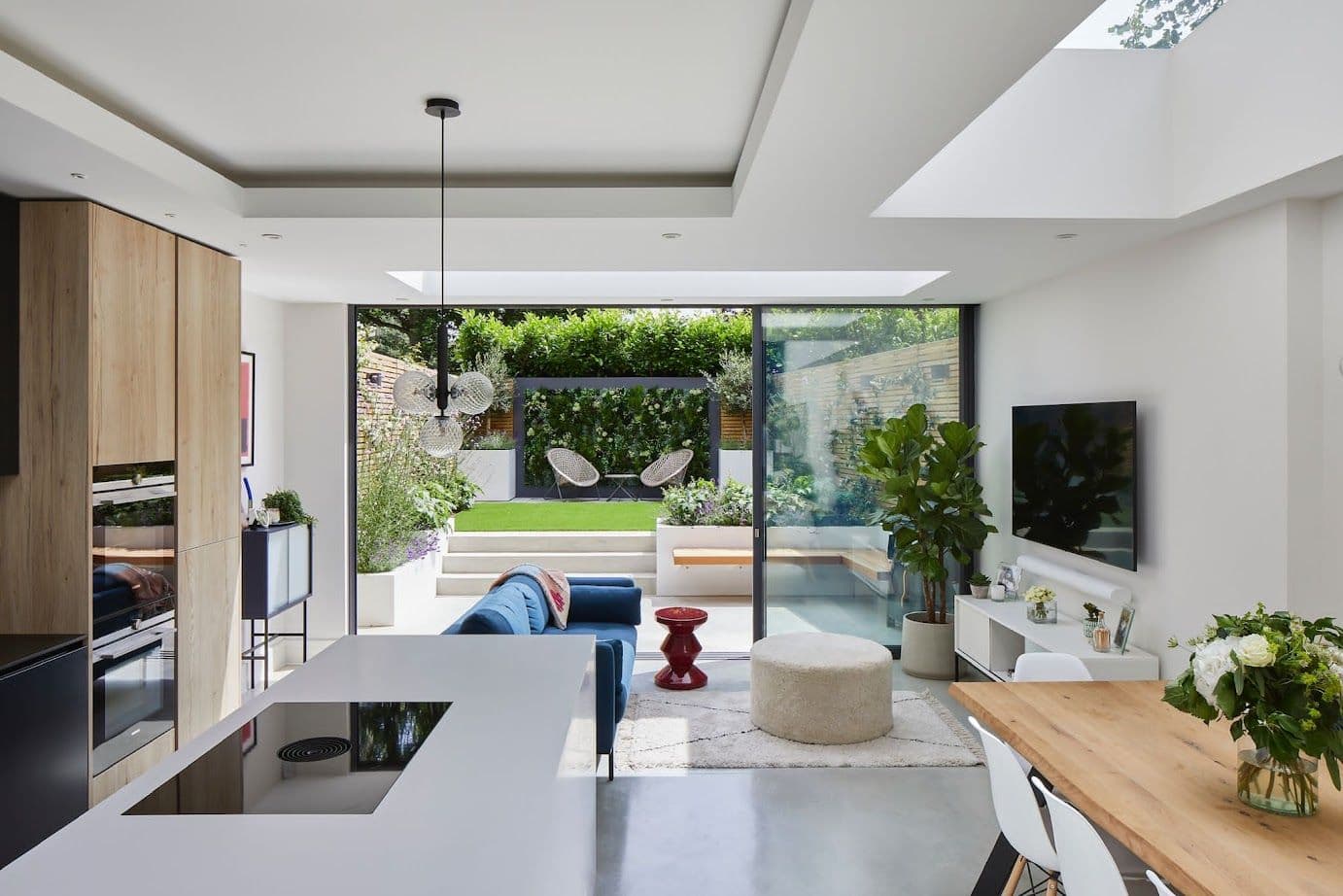
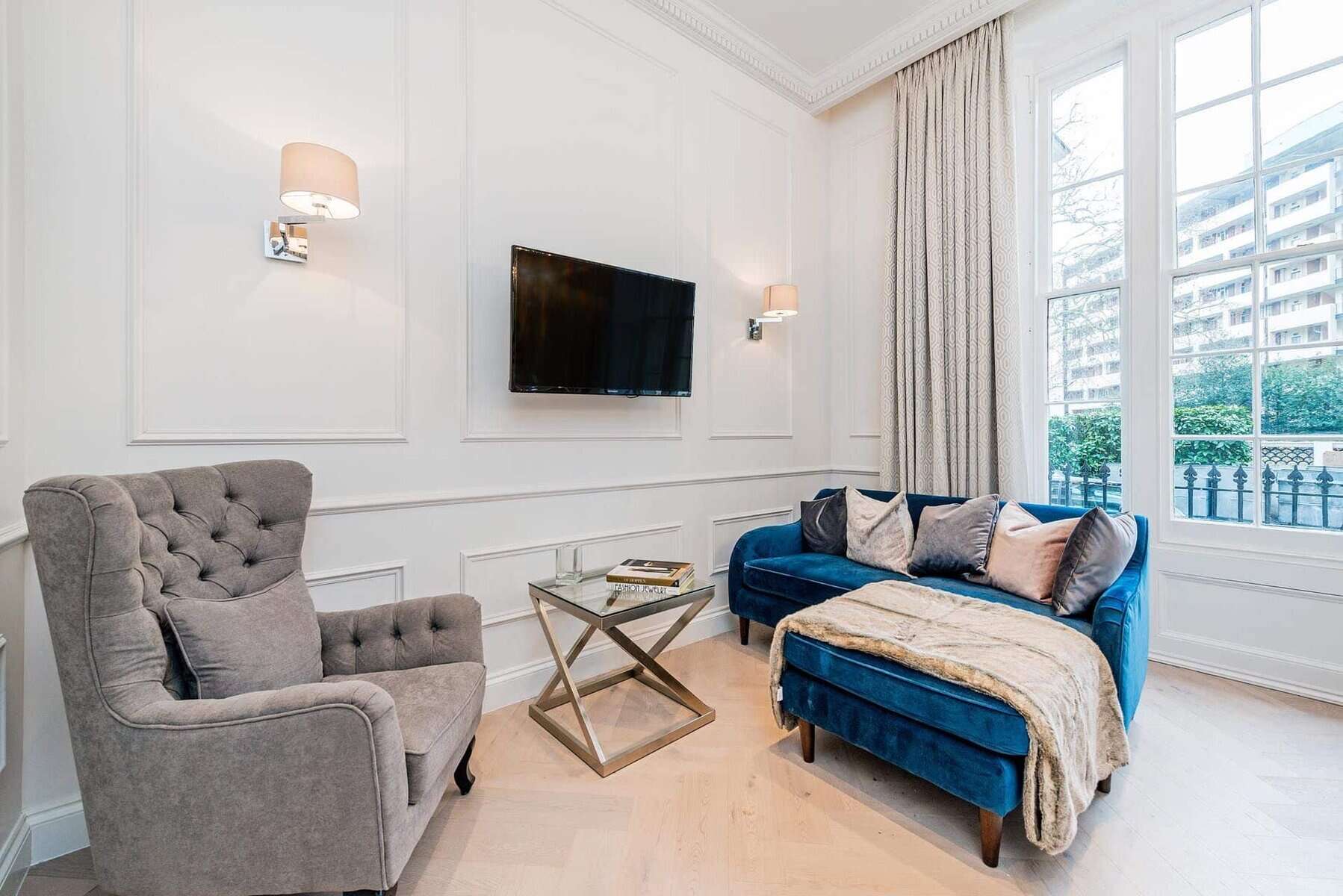
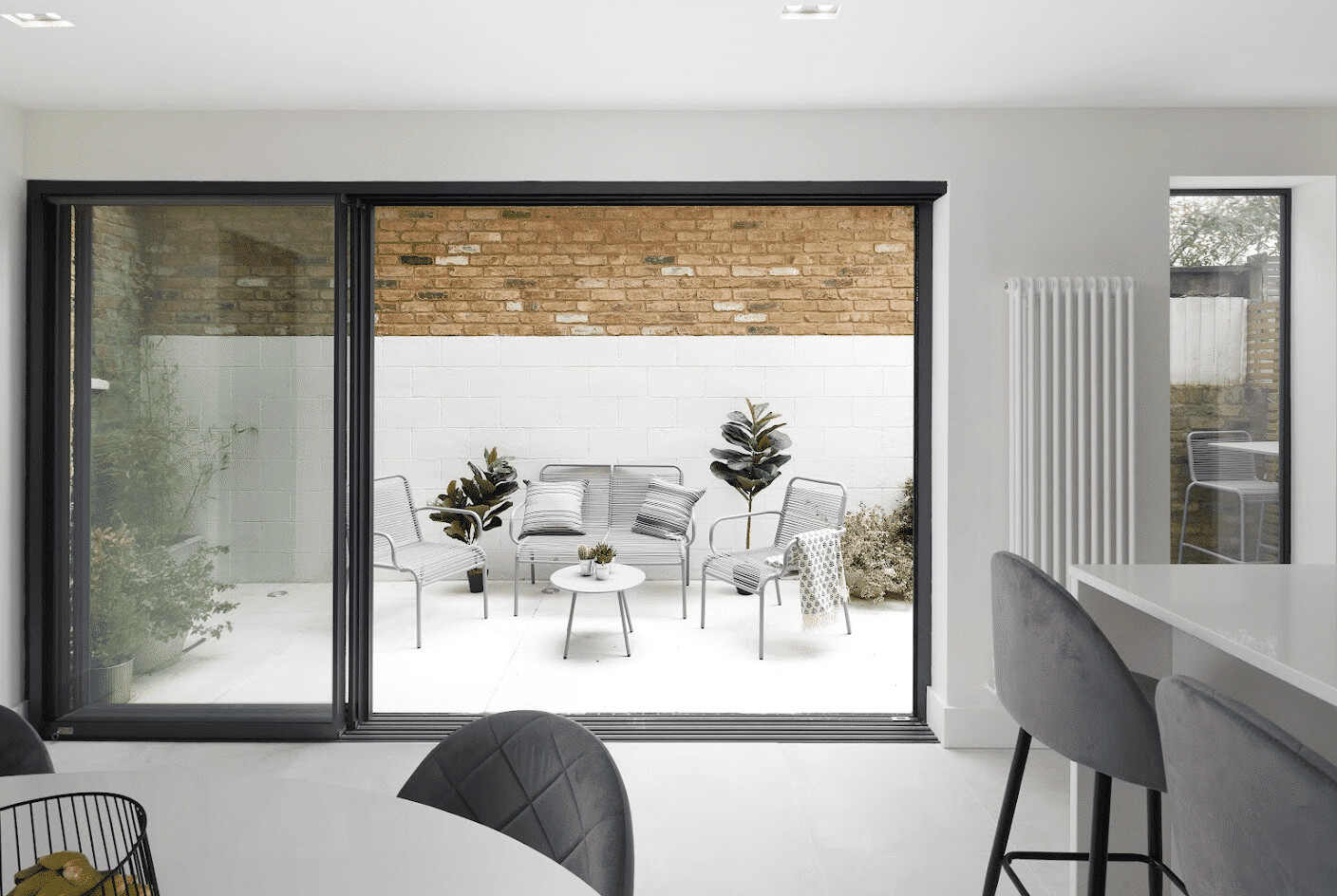
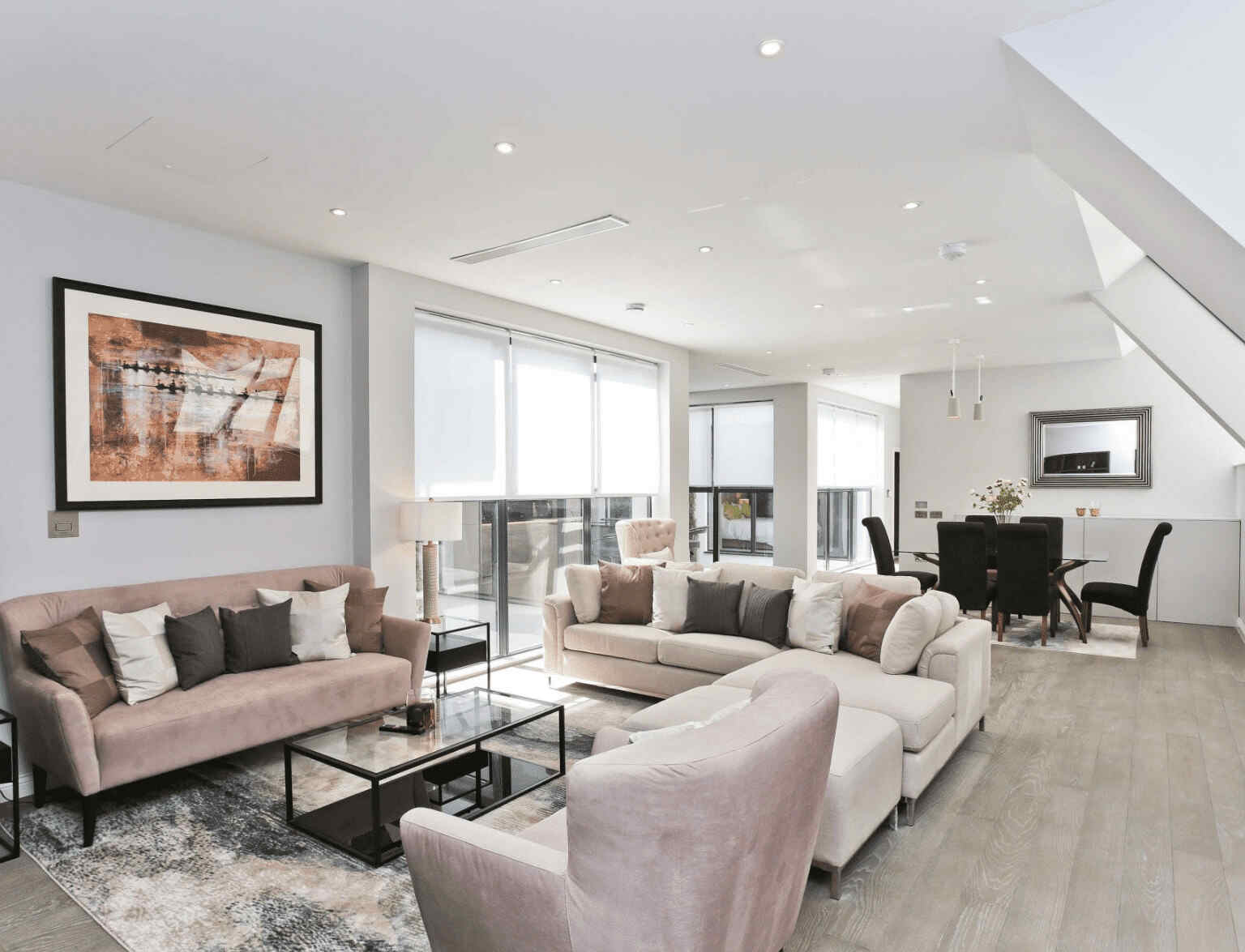
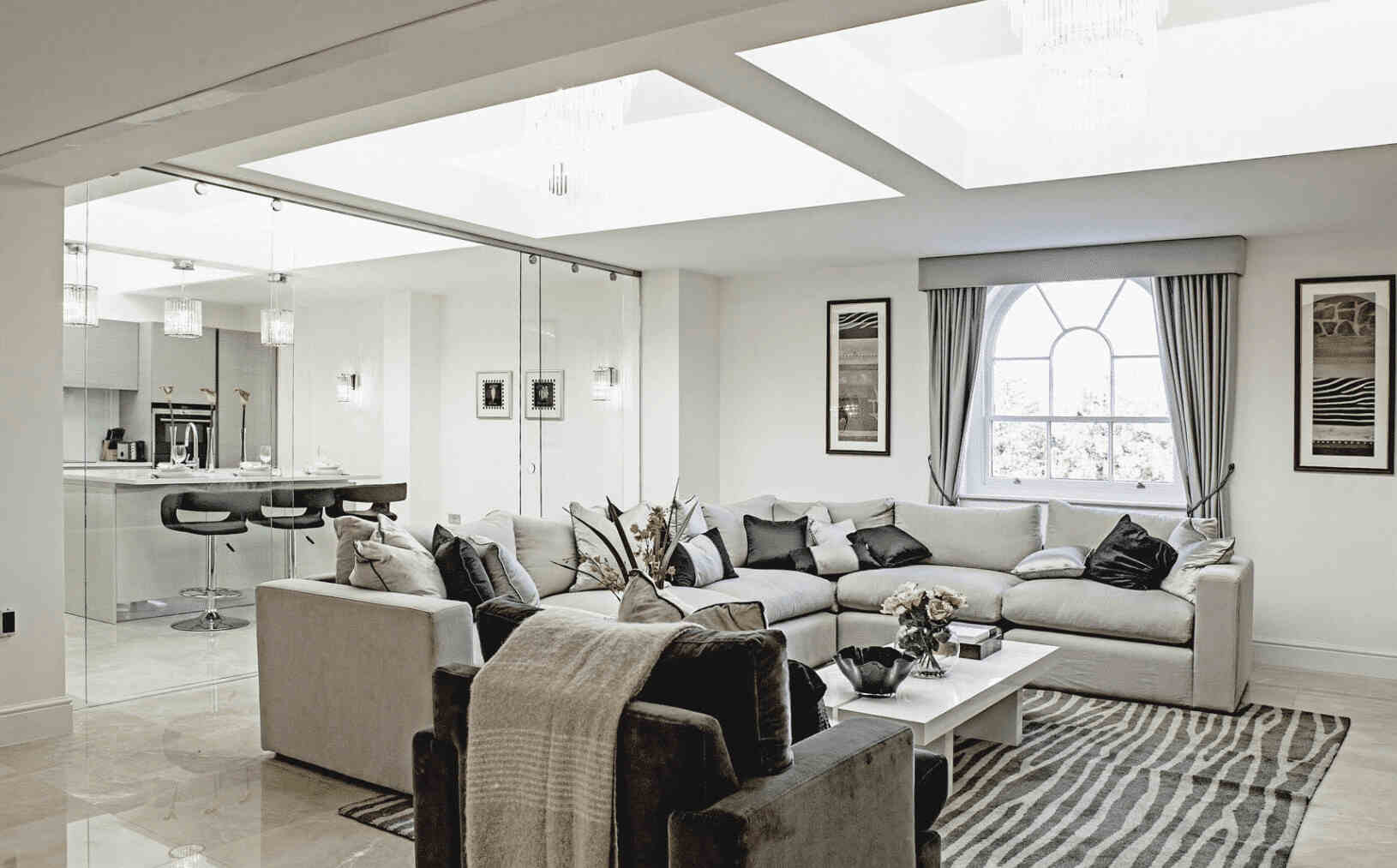
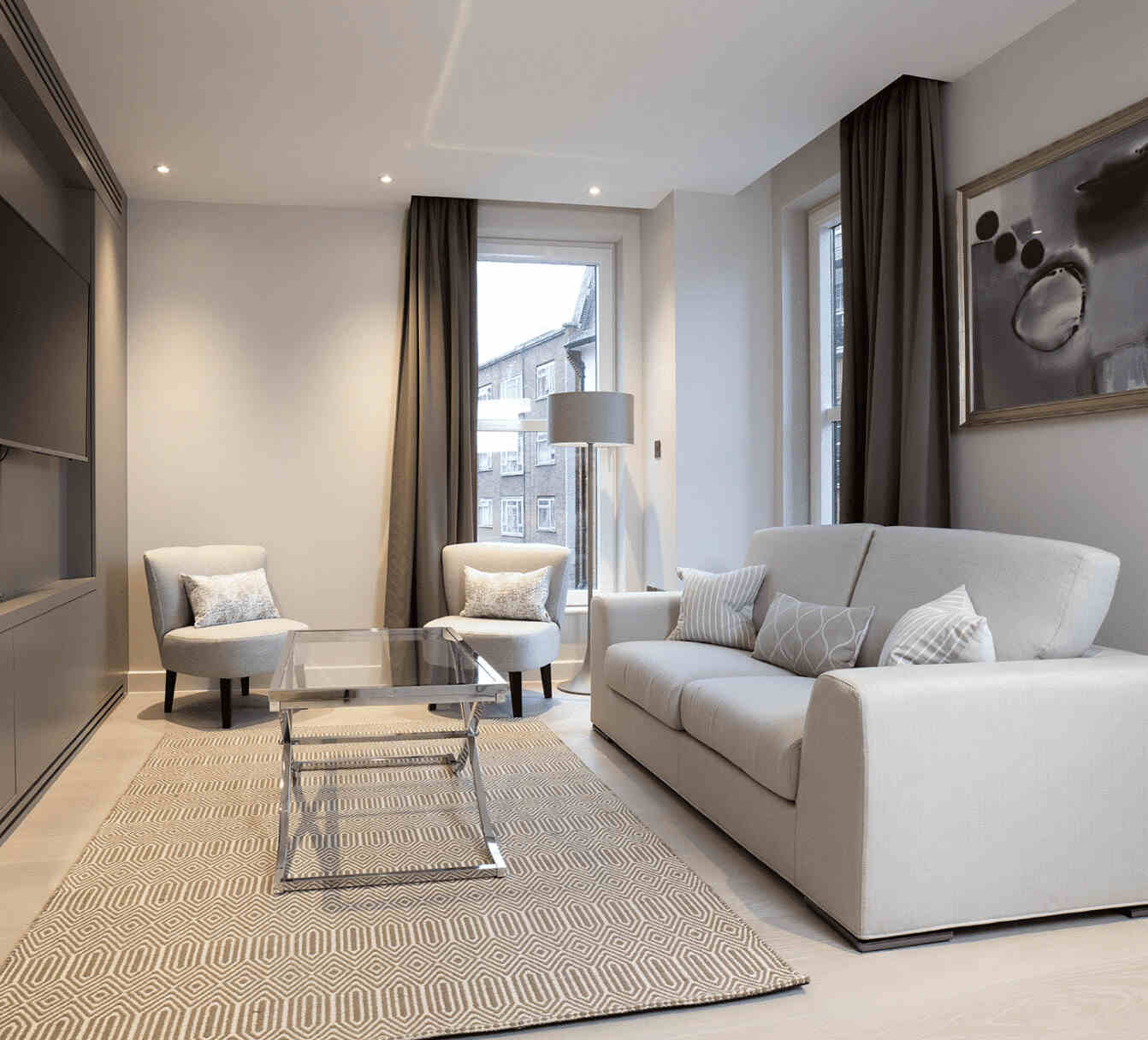
a Barnes architecture firm that creates Elegant designs
General information only. Planning and licensing rules change and depend on the individual property. This article is not legal or professional advice.
BUILDING IN FLOOD ZONE 3 IN BARNES: THE CASE YOU’LL HAVE TO MAKE (NPPF EXCEPTION TEST)
Barnes sits inside a loop of the Thames, low and level, with the river on three sides and Beverley Brook threading through the middle. It’s the geography that makes the place — the towpath, the pond, the wetland light — and it’s also why so much of Barnes sits in Flood Zone 3 on the planning maps. If you’re hoping to build a new home here, that zone designation isn’t a detail. It decides the shape of the planning argument you’ll have to make — and we find that people who understand the argument early tend to win it, while people who discover it late tend to fund a consultant’s second attempt.
What Zone 3 actually asks of you
National policy doesn’t ban building in Flood Zone 3. It sets hurdles, taken in order.
The first is the Sequential Test: could this development reasonably go somewhere at lower flood risk? In a borough with land at lower risk available, that question has teeth, and it’s answered with evidence, not preference. The second — the one this article is really about — is the Exception Test, and it only becomes available once the sequential argument is made. New housing is classed as more vulnerable under the NPPF’s flood risk vulnerability classification, which means that in Zone 3a it must pass the Exception Test to proceed at all. (In Zone 3b, the functional floodplain, it simply can’t — no test rescues it.)
The Exception Test has two limbs, and you must pass both:
One: the development provides wider sustainability benefits to the community that outweigh the flood risk.
Read that again, because it’s stranger than it first appears. You’re not being asked whether the scheme is nice, viable, or wanted by its owner. You’re being asked to show that the community gains something that justifies putting more vulnerable use in a flood risk area. For a single home, that’s a genuinely demanding piece of advocacy — and it’s the limb we see treated most casually, usually with a paragraph of boilerplate that convinces nobody.
Two: the development will be safe for its lifetime, without increasing flood risk elsewhere. This limb is technical and lives in the site-specific flood risk assessment: modelled flood levels, climate change allowances stretching decades ahead, finished floor levels — the Environment Agency’s standing advice recommends at least 600mm above the estimated flood level — and, crucially, what happens to the water your building displaces.
The Barnes-shaped problem inside limb two
Here’s what the national guidance won’t tell you and the local geography will. Barnes’s Zone 3 designation reflects the tidal Thames, and the area sits behind the walls of the Thames tidal defence system — Richmond’s flood risk strategy sets out how those defences work for the borough. Day to day, that protection is excellent. But the flood risk assessment for an Exception Test doesn’t get to stop at “there are defences”: it has to model the residual case — a breach or overtopping — and that’s where the peninsula bites.
Safe for its lifetime” includes safe access and egress: a route by which occupants can leave, dry or at least safely, when the water arrives. On high ground, that’s a formality.
On a low peninsula where the surrounding streets share your flood zone, demonstrating a dry route out is often the hardest sentence in the whole assessment — and in our experience it’s the limb-two question that decides marginal schemes in Barnes. We design for it from the first sketch: floor levels, refuge, the route to higher ground treated as part of the architecture rather than an appendix. When the escape plan is legible in the drawings themselves, officers notice — and the conversation changes.
Two scoping notes worth knowing before you brief anyone. The tests aim at new development — smaller works to an existing home are treated differently, so don’t assume the full machinery applies to you until someone has checked. And Beverley Brook writes its own flood zones through the middle of Barnes quite separately from the Thames, so a site that looks safely inland can still have a zone question to answer.
Making the case well
An Exception Test case is won the way any case is won: evidence gathered before positions are taken. Commission the flood risk assessment at the start, not as a validation requirement at the end. Build the sustainability-benefits argument around things an officer can point to in a committee report — not adjectives. Let the safety case shape the design instead of decorating it. Done in that order, building in Barnes’s Zone 3 is demanding but entirely achievable; the housing along the river is proof it can be done. Done in reverse, it’s an expensive way to learn the order.
FAQ
Services
We offer a comprehensive suite of architectural services for Barnes, our skilled architects each specialise in distinct disciplines. This diversity allows us to tailor our approach to meet the various facets of architectural design.