
PAYTE
Architects Paddington
Principal Designer & Higher Risk Building Expert
Our Paddington architects work hard to create fresh projects for many clients. We handle both residential and commercial buildings. We follow RIBA guidelines for our projects. We aim to create architecture that is both sustainable and beautiful.



RIBA Architects in Paddington
Our RIBA supervisors in Paddington guide and approve projects by ARB architects. RIBA accreditation brings key benefits like quality assurance and expert advice.
Our firm is known for extension architecture and loft conversions. We provide creative solutions that increase space and property value.
Certified by RIBA and ARB, our architects ensure each project flows seamlessly.
A West London architect firm should deliver client-centred designs that integrate modern aesthetics with compliance requirements.
Professional ARB Architects Paddington

Our ARB architects in Paddington offer full architectural services. We are committed to professional practices. In Paddington, clients enjoy our expert knowledge, creative design, and sustainable methods.
We have ARB architects with mandatory indemnity insurance. This ensures reliability and safety in architecture.
Our team is here to help with your planning application and provide consultancy services throughout the process.
As a reputable London architecture company, we help clients navigate complex planning requirements with ease.
ARRANGE A FREE CONSULTATION
Arrange a free consultation with one of our ARB or RIBA architects today. We offer clients a 30-minute session at no cost.
FREE NO OBLIGATION CONSULTATION
VIRTUAL CONSULTATION AVAILABLE
ON SITE CONSULTATION AVAILABLE
Leading Architect Firm in Paddington
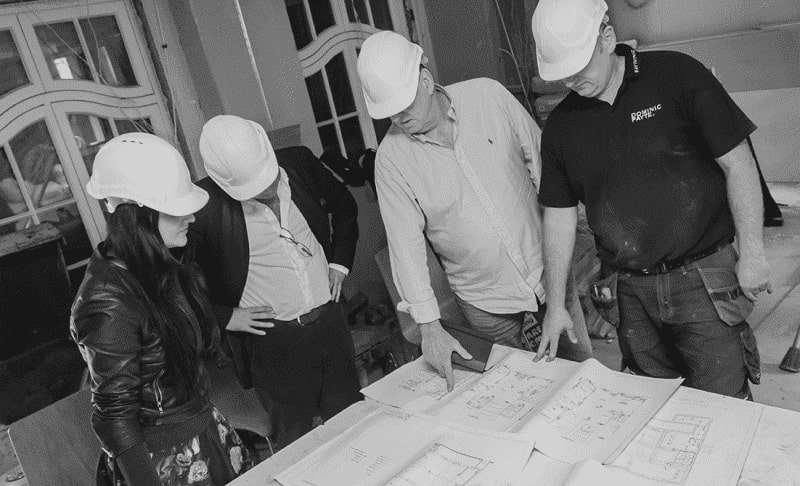
In Paddington, we aim to create personal spaces. This includes warm home updates and professional office designs. We focus on sustainability, crafting interiors and landscapes that clients connect with.
Our architects focus on extensions and loft conversions. They provide creative solutions to increase space and raise property value.
Certified by RIBA and ARB, our firm has developed a portfolio of luxurious projects over the years.
Innovative Designs Crafted by an architect in Paddington
Our expert architects in Paddington create innovative, functional, and sustainable spaces. Our architectural services in Paddington enhance how you live and work. We design elegant solutions for residential extensions, custom new builds, and renovations. We are one of the leading architecture practices Paddington has to offer, our team blend style with modern practicality.
Free Initial Consultation
During your free 30-minute consultation, our architect in Paddington discuss your vision, design choices, project scope, and budget. If you’re renovating or building, this initial conversation connects your ideas to what’s possible.
Full Architecture Service
We provide tailored architectural services in Paddington. This includes assessments, drawings, 3D visualisations, planning applications, and tender management. For renovations or new builds, we make sure the Paddington project fits your needs.
Planning & Permissions
Our Paddington team focus on planning for design projects. We handle everything from the initial idea to final delivery. We are skilled at navigating regulations, zoning laws, and building codes. This makes approvals easier.
Complete Building Works
We’re a full-service firm with in-house architects, interior designers, and builder. Our team works together to guide your project from start to finish. We bring expertise for a smooth experience.
General information only. Planning and licensing rules change and depend on the individual property. This article is not legal or professional advice.
REPAIRING STUCCO VS ALTERING IT IN PADDINGTON: WHERE THE LAW DRAWS THE LINE (TCPA S.55)
Stucco is one of those materials that looks permanent and behaves like a living thing. It cracks, it blows, it lets water in behind itself — and around Paddington, where whole streets are dressed in it, sooner or later every owner asks us the same question: “Can we just fix it, or does fixing it need permission?” The answer sits in one deceptively short piece of law, and in our experience almost nobody quotes it correctly — including, occasionally, the people doing the work.
The line the law actually draws
The dividing line lives in section 55 of the Town and Country Planning Act 1990. Planning permission is needed for development — and s.55(2)(a) says works of maintenance, improvement or other alteration to a building are not development if they don’t materially affect its external appearance. That phrase — materially affect the external appearance — is where every stucco question is won or lost, and we’d want it framed above the desk of anyone quoting for render work.
So: raking out a failed patch and reinstating it to match — same profile, same finish, same lines — is repair. Not development, no permission needed. That’s true even for substantial repairs; the law cares about what the building looks like afterwards, not how much scaffolding it took. Our reading, and the one we apply on site: if a passer-by who knew the house couldn’t tell you’d been there, you’ve repaired it.
Cross the appearance line, though, and you’re altering. Stripping stucco back to brick and leaving it exposed. Re-rendering in a different texture or profile. Squaring off a moulded architrave because the mould was “too fiddly”. Losing the incised lining that made the render read as stonework.
Each of those materially changes what the street sees, and each is development. We’d add a practical warning from experience: the change doesn’t have to be ugly to be material — it just has to be noticeable.
And “materially” is a judgement, not a measurement. There’s no percentage threshold, no square-metre allowance. Councils weigh how visible the change is and how much it alters the building’s character — which is precisely why we tell clients that the safest evidence in a grey area is a photographic record of the elevation before anyone touches it. It costs nothing and it has settled more than one conversation for us.
One caveat, as ever: the standard position flexes for certain properties and certain streets — and in this part of London, that flex applies more often than most owners expect. Those situations deserve proper explanations of their own, so if yours might be one, a quick word with Westminster City Council’s planning service before the scaffolding goes up is the cheap option. For anything borderline, their pre-application advice service exists for exactly this kind of question, and we’ve found a written steer from the council to be worth every penny of the fee.
What we keep noticing around Paddington
Your house is one bay of someone else’s composition. Paddington’s great stuccoed terraces — Westbourne Terrace, Gloucester Terrace, Sussex Gardens — were designed as single architectural set pieces, with each house playing its part in a longer rhythm of porticos, cornices and window surrounds. Which means the “material” in materially affect works differently here: a simplified moulding that might pass unnoticed on a detached house reads instantly against fifteen identical neighbours. In our view, the terrace context lowers the threshold — and we plan repairs accordingly.
Repair creep. The most common way we see people cross the line isn’t ambition — it’s drift. A patch repair becomes “we may as well do the whole panel”, which becomes a full re-render in a modern cement system with a different texture. Nobody decided to alter the building; it happened one sensible-sounding decision at a time. Halfway up the scaffold is an expensive place to discover you’ve changed the external appearance of the house.
The wrong repair is an alteration — eventually. Much of Paddington’s stucco is lime-based, and we regularly see it patched in hard cement. It looks fine for two winters, then traps moisture, blows the surrounding render, and forces exactly the wholesale re-rendering that puts you on the wrong side of s.55. In our view, matching the material isn’t heritage fussiness — it’s how you stay legally a repairer rather than accidentally an alterer.
The wrong repair is an alteration — eventually. Much of Paddington’s stucco is lime-based, and we regularly see it patched in hard cement. It looks fine for two winters, then traps moisture, blows the surrounding render, and forces exactly the wholesale re-rendering that puts you on the wrong side of s.55. In our view, matching the material isn’t heritage fussiness — it’s how you stay legally a repairer rather than accidentally an alterer.
Where we land
Repair generously, alter deliberately. The law gives you real freedom to maintain a stuccoed house — more than most owners assume — provided the building looks like itself when you’re done. Match the material, match the profile, photograph everything first, and if the work you’re planning would make the house look different rather than just sound, treat it as development and talk to Westminster before you commit. We’ve seen both routes; the first one is calmer.
architects in Paddington for Planning, Design, and Project Management
Site Analysis and Feasibility Studies
Our Paddington architects assess your property’s surroundings. This way, the project fits with the site conditions. We handle local zoning laws and regulations, especially for conservation areas.
Conceptual and Schematic Designs
Our team of architects develop creative solutions to design your dream home, rear extension, or extra spaces. We ensure a strong foundation for a successful Paddington project.
Building Information Modelling (BIM)
Our architectural services in Paddington offer a full set of 3D models to aid clients in visualising their project. This helps in making informed decisions, ensuring seamless coordination throughout.
Building Planning and Zoning Compliance
Our Paddington team handles tasks like obtaining planning permission for clients. We manage applications, create planning drawings, and ensure all requirements are met.
Technical and Interior Design Solutions
Our expertise in technical and interior design means every detail of your project captures your unique style. Our architect in Paddington ensures compliance with building regulations and structural needs.
Building Project Management
We have a background in technical and interior design. This helps us make sure your project reflects your unique style. This guarantees we meet all building regulations and structural needs.
Sustainability and Energy Efficiency Consulting
Our Paddington architectural designs create energy-efficient spaces. This helps us to reduce any environmental impact. We focus on building sustainable and energy-efficient properties.
Building Documentation And Planning
Our architects in Paddington handle everything from the first designs to the full set of documents; this includes structural details. This ensures that structural engineers and contractors have the needed information.
Cost Estimation and Value Engineering
Our Paddington architectural firm blends budget and quality. We deliver cost-effective solutions for your project. Whether it’s a dream home or an extension requiring planning, we ensure the best results.
why use our architect services in Paddington?
Fast Turn Around
Our architect practice completes projects quickly and efficiently. Our experts use smart planning to get the job done. Our skilled team streamlines the project management process for fast completion.
Fixed Pricing
Our architects in Paddington offers clear, fixed prices for architecture and building services. This helps clients understand their costs upfront. This approach enables confident budgeting and eliminates unexpected expenses.
We Maximise Value
We help clients achieve great results in their architecture projects. We balance investment and functionality. Our expert advice improves your property’s quality and design. This way, you get the best financial value.
Turnkey Operation
Our Paddington architects firm simplifies the process. We bring together architects, interior designers, and builders. This teamwork ensures smooth and seamless collaboration and effective project management.
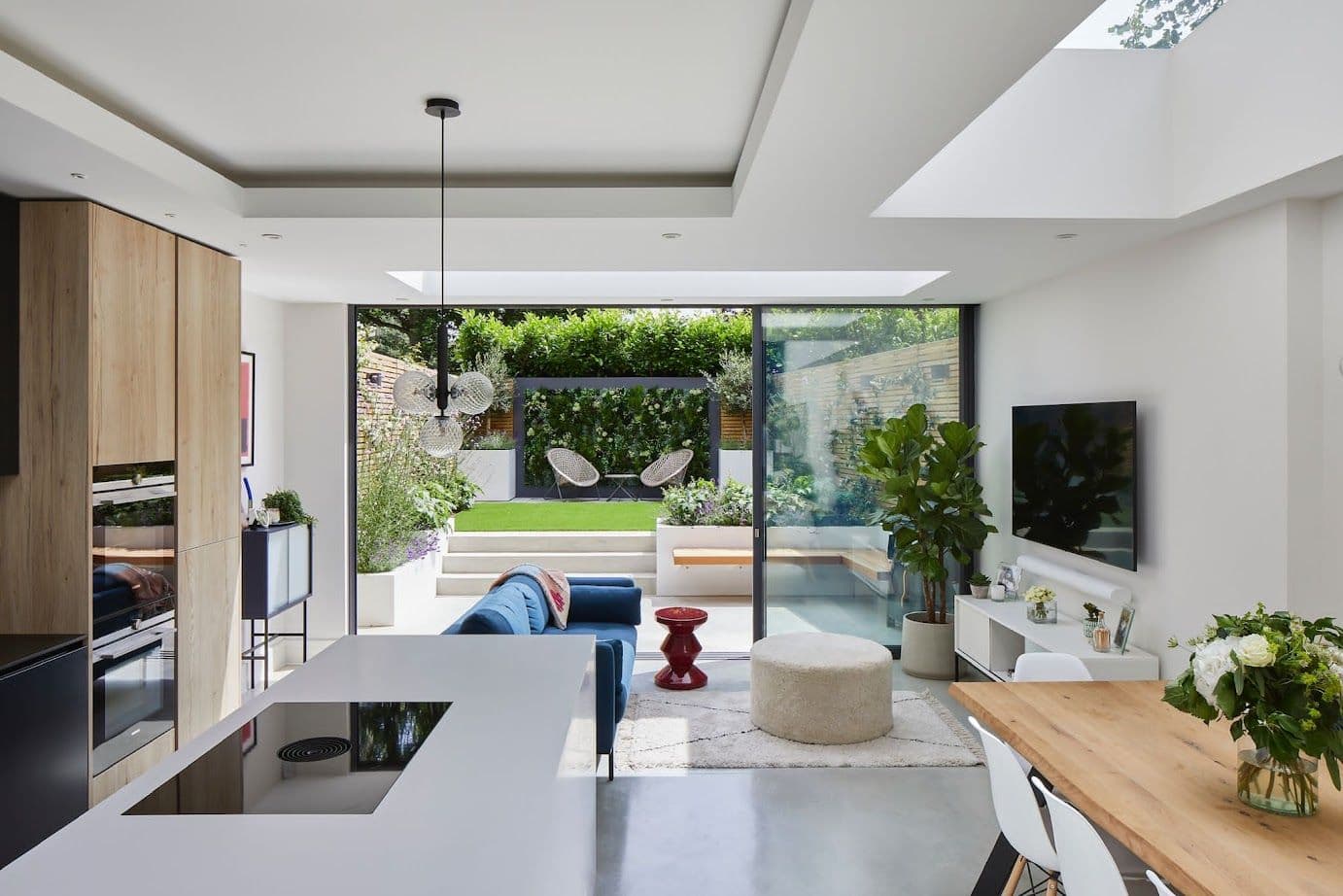
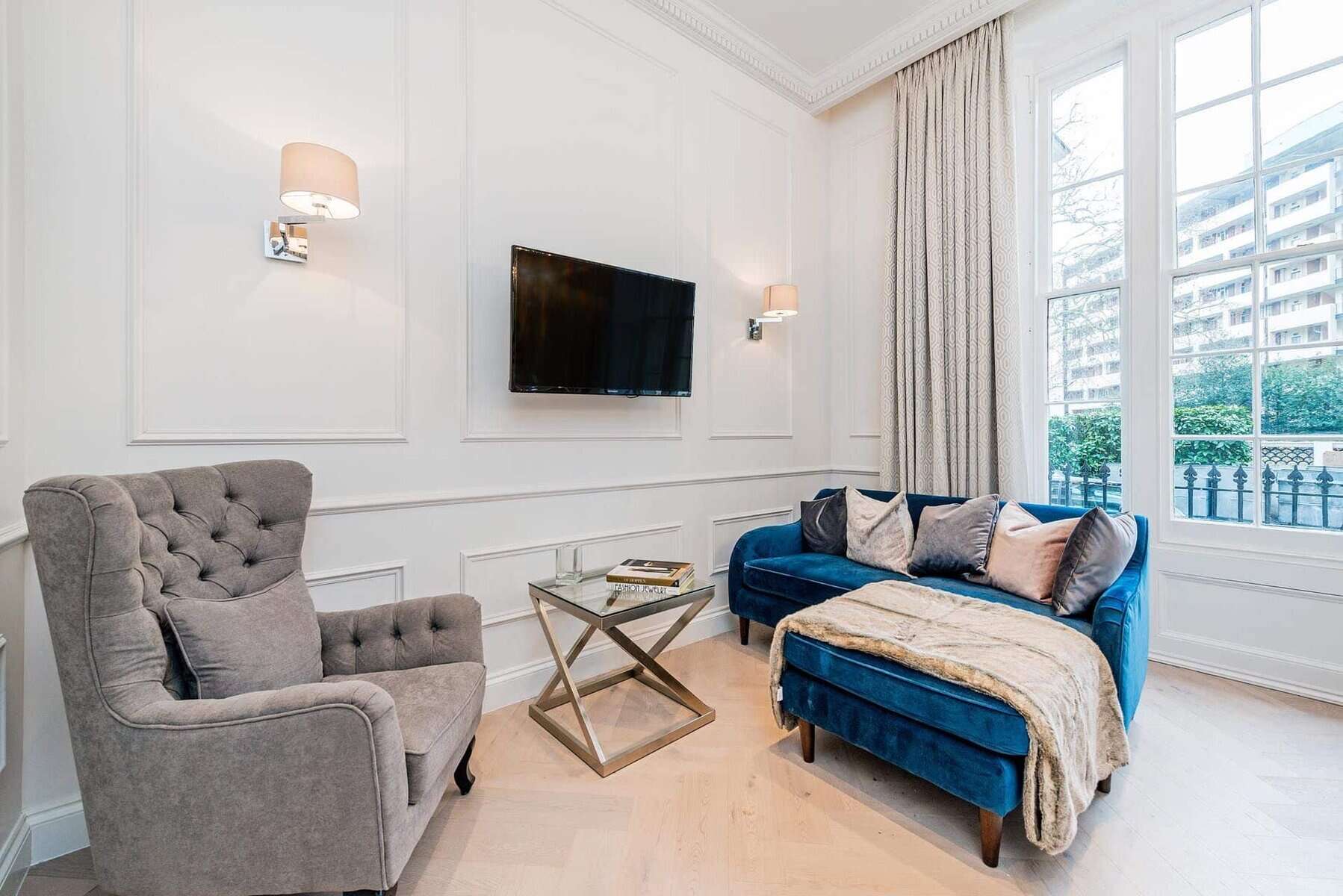
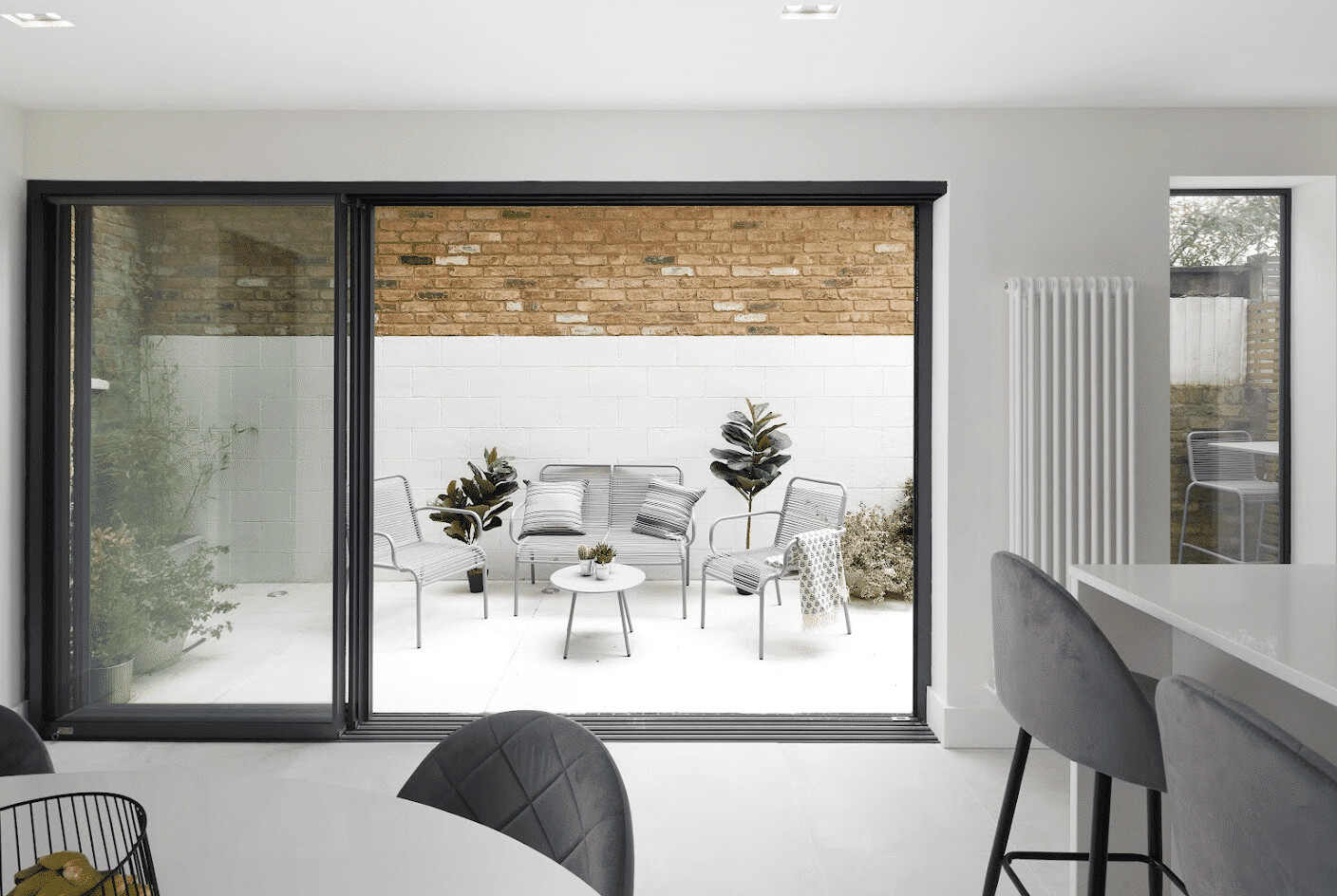
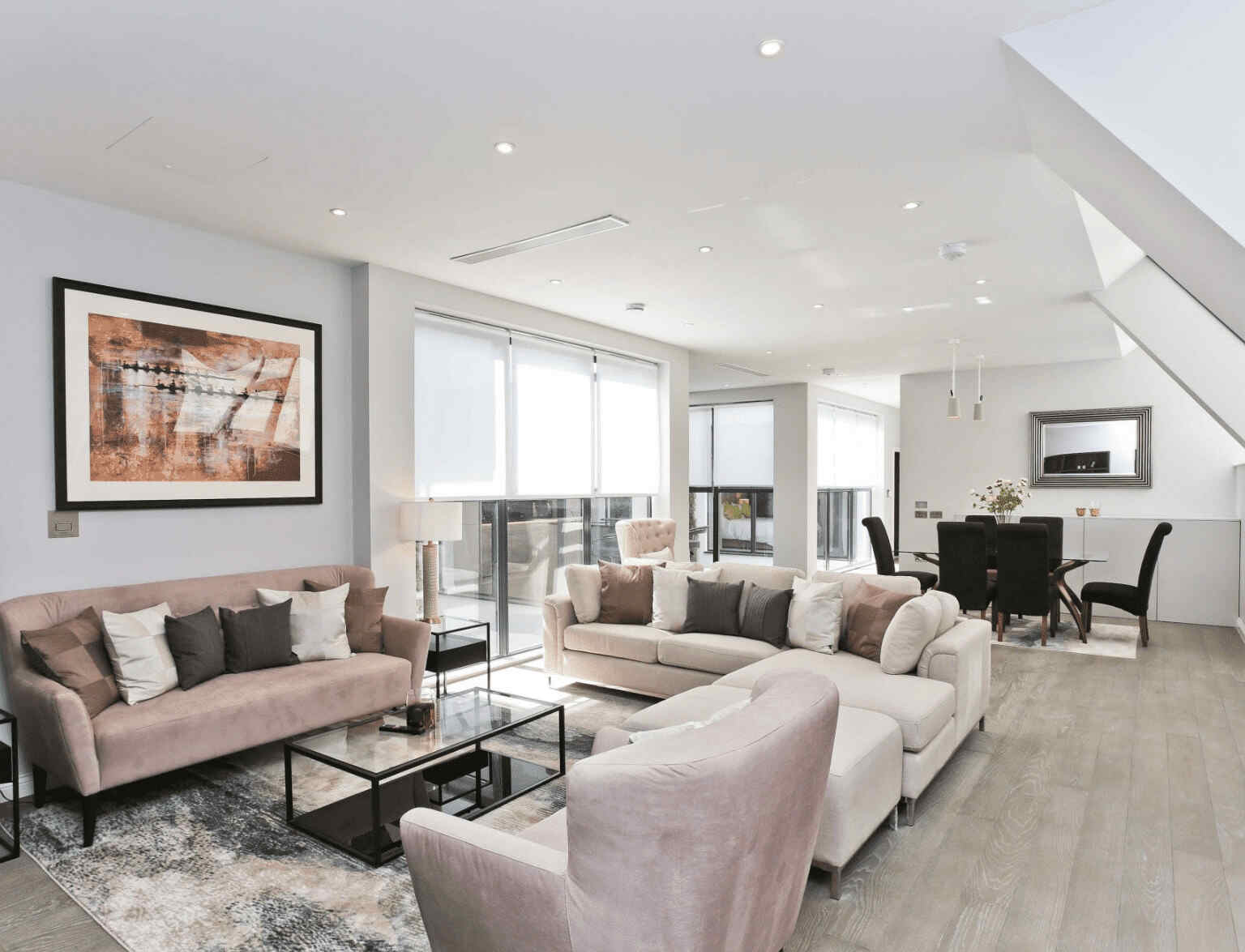
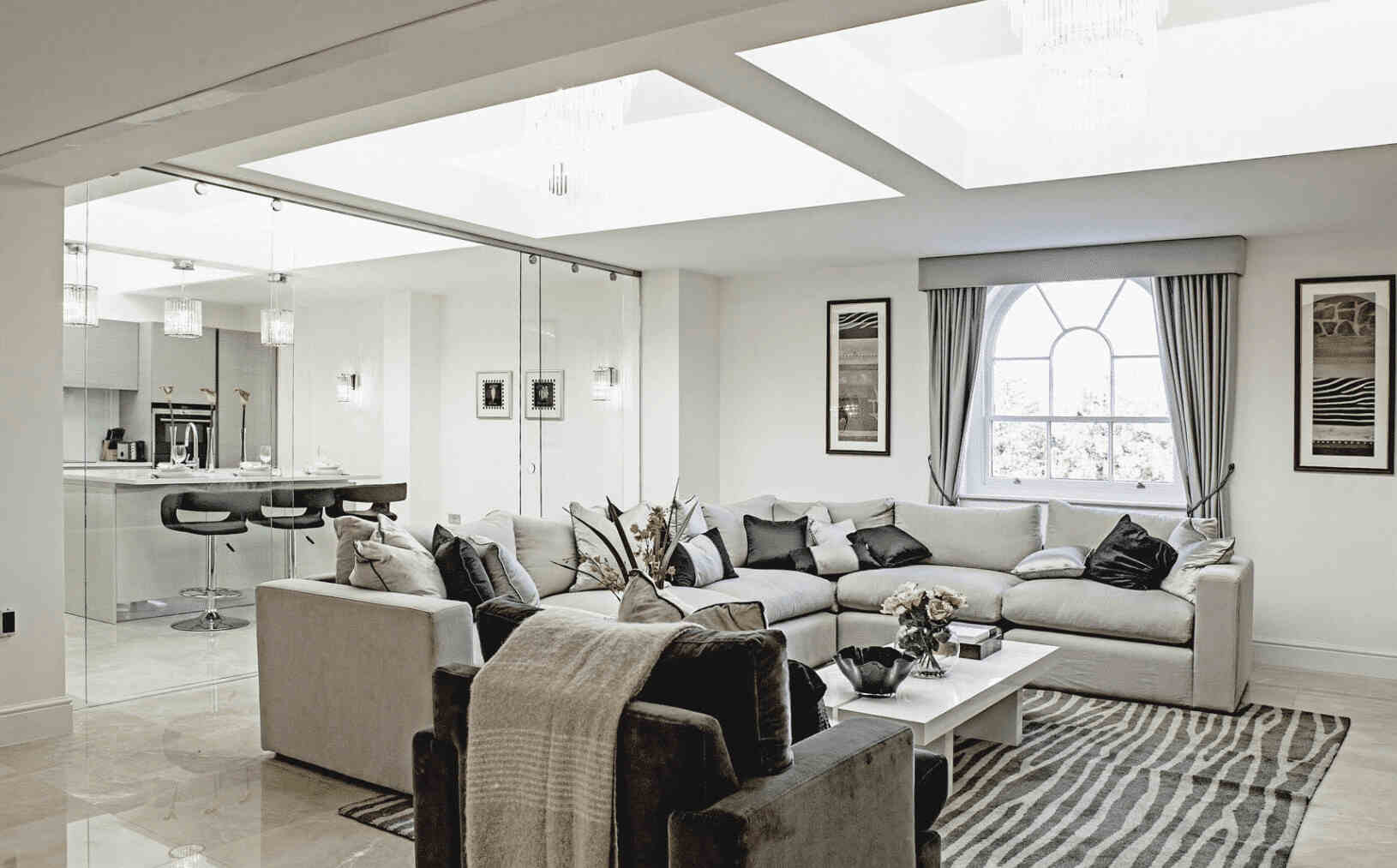
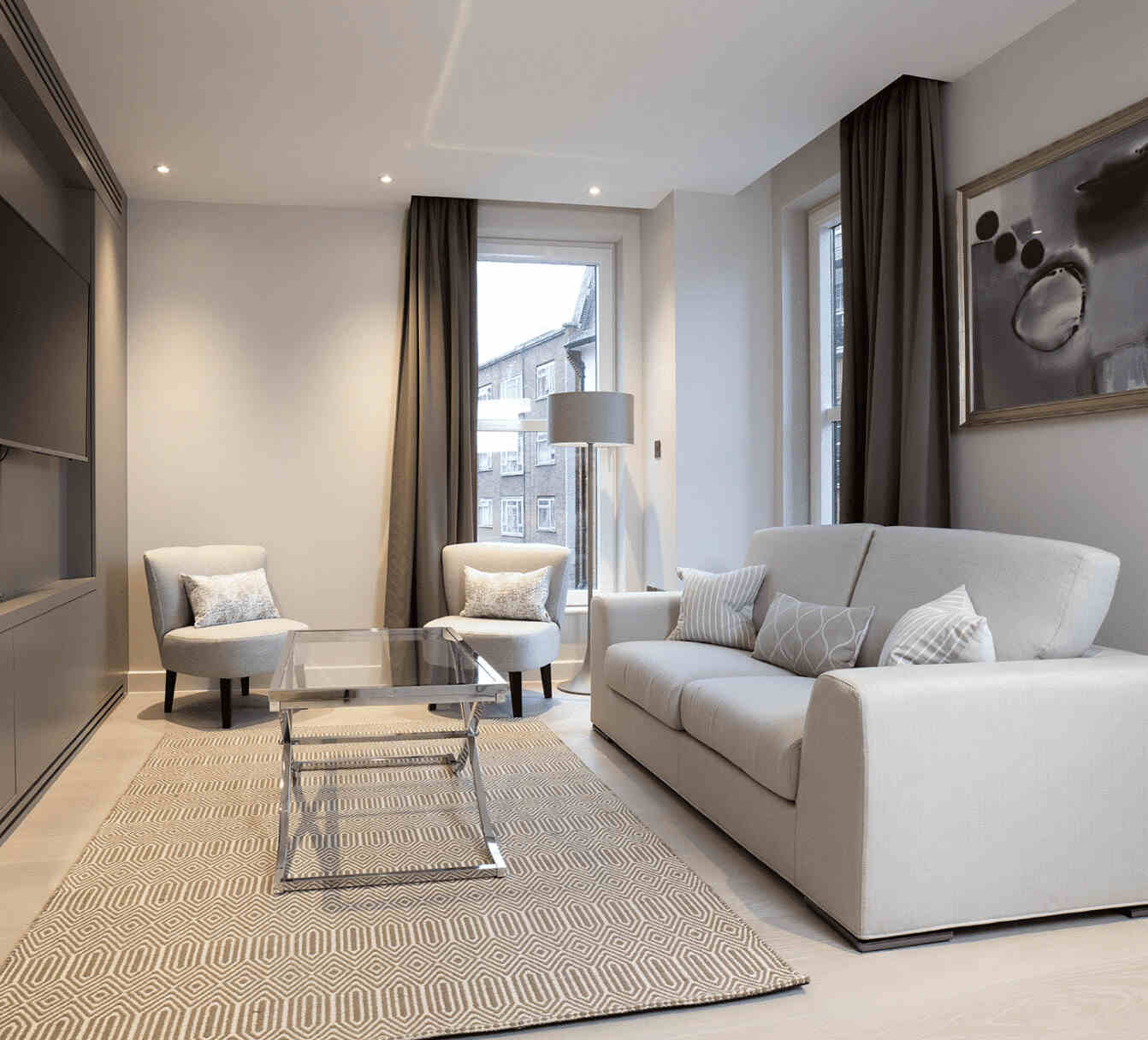
a Paddington architecture firm that creates Elegant designs
General information only. Planning and licensing rules change and depend on the individual property. This article is not legal or professional advice.
WHY A BASEMENT BEDROOM IN PADDINGTON CHANGES YOUR FLOOD CATEGORY (PPG VULNERABILITY CLASSES)
Here’s a conversation we have more often than you’d think. A client wants to make better use of a lower ground floor — and somewhere in the wish list is the word “bedroom”. It sounds like the smallest decision on the drawing. In flood risk terms it’s the biggest one on the page, and we raise it before anyone gets attached to a layout.
Two words that change everything
National planning policy sorts every type of development into flood risk vulnerability classes, set out in Annex 3 of the National Planning Policy Framework and applied through the Planning Practice Guidance. An ordinary house sits in the more vulnerable class. Basement dwellings sit in highly vulnerable — the same category as emergency dispersal points and hazardous installations. That isn’t bureaucratic colour-coding: the higher the class, the fewer places policy allows it and the more you have to prove.
Why so severe? Because the classification isn’t about how likely flooding is — it’s about what happens to people if it comes. Water finds the lowest point first, fills it fastest, and a person asleep below ground has the least warning and the hardest escape. The logic is sound, and we say that as a practice that likes basements.
Strictly, the table says basement dwellings — a self-contained flat below ground. A single bedroom in a family house isn’t reclassified word-for-word. But once sleeping accommodation goes below ground, councils and the Environment Agency assess the scheme through the highly-vulnerable lens anyway: escape routes, warning time, water-resistant design, the lot. The Environment Agency’s standing advice pushes the same way. Arguing the semantics is a losing game. Design as if the higher class applies and the application goes through calmer.
Which brings us to Paddington — because the water you need to worry about here isn’t the Thames.
The flood map lulls people
Check the river flood map for most of Paddington and you’ll feel reassured. The risk that matters here is surface water — rain arriving faster than Victorian drains can swallow it. Anyone who was around Westbourne Park and Maida Vale in July 2021 watched exactly that: streets turned to rivers in an hour, and it was basements that suffered. When we assess a lower ground floor in this part of town, the surface water map is the one we open first. Your search should open it first too.
The sewers work in both directions
This corner of London sits on combined Victorian sewers, and when they surcharge, water can come up through basement drainage rather than in through the door.
Westminster’s flood risk requirements ask for one-way valves on basement drainage connections as a minimum — and note that self-contained basement accommodation should sit outside surface water risk areas altogether.
We fit the valve regardless of what the maps say. Cheapest insurance in construction.
A bedroom is a use, not a label
We’ve seen lower ground rooms drawn as “study” or “gym” with a double bed’s worth of space and a suspicious wardrobe. Councils have seen it too. If a room will realistically be slept in, we design it — escape, warning, resilience — as sleeping accommodation, whatever the drawing says. Honesty at design stage costs less than an argument at enforcement stage, and far less than a bad night when the water arrives.
So, should you do it?
Often, yes. None of this means keep bedrooms out of the basement — it means the decision carries more weight than it appears to and should be made early, with the surface water map open, not late, when the layout is loved. Get the flood risk assessment done first, let the vulnerability class shape the design instead of fighting it, and a Paddington lower ground floor can be some of the best space in the house. We’ve made it work. We’ve also seen what happens when nobody asks the question.
FAQ
Services
We offer a comprehensive suite of architectural services for Paddington, our skilled architects each specialise in distinct disciplines. This diversity allows us to tailor our approach to meet the various facets of architectural design.