
PAYTE
Architects Twickenham
Principal Designer & Higher Risk Building Expert
Our Twickenham architects work hard to create fresh projects for many clients. We handle both residential and commercial buildings. We follow RIBA guidelines for our projects. We aim to create architecture that is both sustainable and beautiful.



RIBA Architects in Twickenham

Our RIBA supervisors in Twickenham guide and approve projects by ARB architects. RIBA accreditation brings key benefits like quality assurance and expert advice.
Our firm is known for extension architecture and loft conversions. We provide creative solutions that increase space and property value.
Certified by RIBA and ARB, our architects ensure each project flows seamlessly.
From consultation to completion, our West London architects tailor each project to the client needs while ensuring all regulatory standards are met.
Professional ARB Architects Twickenham

Our ARB architects in Twickenham offer full architectural services. We are committed to professional practices. In Twickenham, clients enjoy our expert knowledge, creative design, and sustainable methods.
We have ARB architects with mandatory indemnity insurance. This ensures reliability and safety in architecture.
Our team is here to help with your planning application and provide consultancy services throughout the process.
At our London architect practice, we provide expert planning advice to help clients bring their projects to life.
ARRANGE A FREE CONSULTATION
Arrange a free consultation with one of our ARB or RIBA architects today. We offer clients a 30-minute session at no cost.
FREE NO OBLIGATION CONSULTATION
VIRTUAL CONSULTATION AVAILABLE
ON SITE CONSULTATION AVAILABLE
Leading Architect Firm in Twickenham
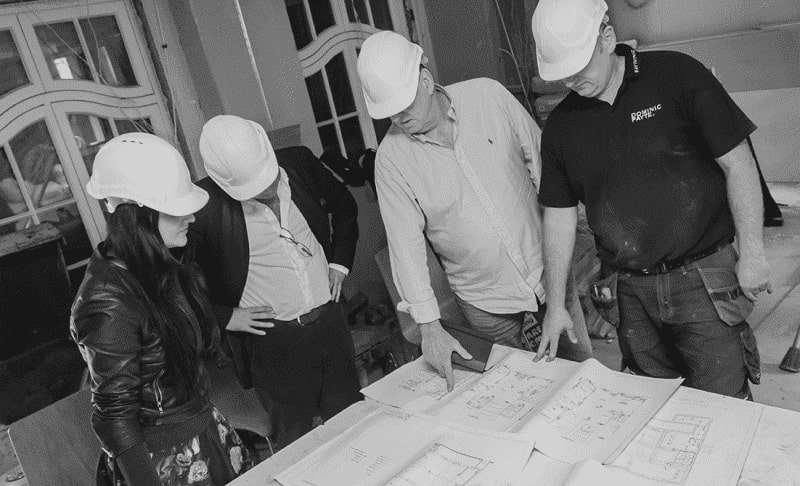
In Twickenham, we aim to create personal spaces. This includes warm home updates and professional office designs. We focus on sustainability, crafting interiors and landscapes that clients connect with.
Our architects focus on extensions and loft conversions. They provide creative solutions to increase space and raise property value.
Certified by RIBA and ARB, our firm has developed a portfolio of luxurious projects over the years.
Innovative Designs Crafted by an architect in Twickenham
Our expert architects in Twickenham create innovative, functional, and sustainable spaces. Our architectural services in Twickenham enhance how you live and work. We design elegant solutions for residential extensions, custom new builds, and renovations. We are one of the leading architecture practices Twickenham has to offer, our team blend style with modern practicality.
Free Initial Consultation
During your free 30-minute consultation, our architect in Twickenham discuss your vision, design choices, project scope, and budget. If you’re renovating or building, this initial conversation connects your ideas to what’s possible.
Full Architecture Service
We provide tailored architectural services in Twickenham. This includes assessments, drawings, 3D visualisations, planning applications, and tender management. For renovations or new builds, we make sure the Twickenham project fits your needs.
Planning & Permissions
Our Twickenham team focus on planning for design projects. We handle everything from the initial idea to final delivery. We are skilled at navigating regulations, zoning laws, and building codes. This makes approvals easier.
Complete Building Works
We’re a full-service firm with in-house architects, interior designers, and builder. Our team works together to guide your project from start to finish. We bring expertise for a smooth experience.
General information only. Planning and licensing rules change and depend on the individual property. This article is not legal or professional advice.
FLOOD-RESILIENT CONSTRUCTION FOR CRANE-SIDE TWICKENHAM HOMES
Living with a river that remembers it’s a river
The Crane is easy to underestimate — a modest tributary threading past Twickenham’s back gardens on its way to the Thames. But its corridor carries genuine flood risk, fluvial and surface water compounding each other, and the government’s flood map puts streets either side of it in Flood Zones 2 and 3. If you’re extending or renovating there, the Planning Practice Guidance on flood risk is the document shaping what Richmond will ask of you.
For householders the asks are specific rather than prohibitive. Extensions in Zones 2 and 3 need a site-specific flood risk assessment with the application; finished floor levels are expected to sit no lower than what’s there — ideally higher; and the Environment Agency’s standing advice pushes resistance and resilience measures into the construction itself. One firm line: don’t contemplate a basement. Sleeping accommodation below ground is classed as highly vulnerable, and along the Crane it’s the one proposal with no sensible version.
At Payte Architects London, our observation is that most applicants treat the FRA as paperwork to commission after the design is done.
It should be the other way round — the flood levels in that assessment are design information, and they’re free to use once you have them.
Resistance up to a point; resilience after it
Here’s the piece of guidance that changes how you think about the problem. Keeping water out — flood doors, automatic airbrick covers, non-return valves on the drains, raised thresholds — works up to roughly 600mm of standing water. Beyond that, the hydrostatic pressure on a masonry wall becomes the bigger danger, and the guidance quietly reverses: let the water in, and design the building to survive the visit. Resistance protects you from the likely flood; resilience from the bad one. A Crane-side specification needs both, and our reading is that the second is where most projects under-invest because it’s invisible on the drawings.
What resilience actually looks like is a series of unglamorous substitutions. Solid floors with closed-cell insulation instead of timber joists that wick and warp.
Lime or cement render where gypsum plaster would slump off the wall. Sockets lifted high, with the cabling dropped from the ceiling rather than rising from the slab, so the electrics above the waterline stay live.
Kitchen carcasses in steel or solid laminate, tiles rather than engineered boards. None of it shows in the finished room; all of it is nearly free to specify during a build and painful to retrofit after one. Which is the position we’d press on anyone extending here: the extension is the trigger to make the whole ground floor recoverable, because the wet trades are on site anyway. The standards exist to lean on — CIRIA’s code of practice for property flood resilience gives builders something concrete to price.
The morning after
Design for recovery pays out in time, not just money — a resilient ground floor is habitable in days where a conventional one takes months of drying and strip-out. Insurance completes the picture: Flood Re keeps cover affordable for most at-risk homes (though not those built since 2009), and its Build Back Better scheme funds up to £10,000 of resilient reinstatement after a claim — worth knowing before a loss adjuster proposes putting the gypsum back exactly where it failed. The Crane will do what rivers do. The houses that shrug it off will be the ones that decided, at drawing stage, to expect it.
architects in Twickenham for Planning, Design, and Project Management
Site Analysis and Feasibility Studies
Our Twickenham architects assess your property’s surroundings. This way, the project fits with the site conditions. We handle local zoning laws and regulations, especially for conservation areas.
Conceptual and Schematic Designs
Our team of architects develop creative solutions to design your dream home, rear extension, or extra spaces. We ensure a strong foundation for a successful Twickenham project.
Building Information Modelling (BIM)
Our architectural services in Twickenham offer a full set of 3D models to aid clients in visualising their project. This helps in making informed decisions, ensuring seamless coordination throughout.
Building Planning and Zoning Compliance
Our Twickenham team handles tasks like obtaining planning permission for clients. We manage applications, create planning drawings, and ensure all requirements are met.
Technical and Interior Design Solutions
Our expertise in technical and interior design means every detail of your project captures your unique style. Our architect in Twickenham ensures compliance with building regulations and structural needs.
Building Project Management
We have a background in technical and interior design. This helps us make sure your project reflects your unique style. This guarantees we meet all building regulations and structural needs.
Sustainability and Energy Efficiency Consulting
Our Twickenham architectural designs create energy-efficient spaces. This helps us to reduce any environmental impact. We focus on building sustainable and energy-efficient properties.
Building Documentation And Planning
Our architects in Twickenham handle everything from the first designs to the full set of documents; this includes structural details. This ensures that structural engineers and contractors have the needed information.
Cost Estimation and Value Engineering
Our Twickenham architectural firm blends budget and quality. We deliver cost-effective solutions for your project. Whether it’s a dream home or an extension requiring planning, we ensure the best results.
why use our architect services in Twickenham?
Fast Turn Around
Our architect practice completes projects quickly and efficiently. Our experts use smart planning to get the job done. Our skilled team streamlines the project management process for fast completion.
Fixed Pricing
Our architects in Twickenham offers clear, fixed prices for architecture and building services. This helps clients understand their costs upfront. This approach enables confident budgeting and eliminates unexpected expenses.
We Maximise Value
We help clients achieve great results in their architecture projects. We balance investment and functionality. Our expert advice improves your property’s quality and design. This way, you get the best financial value.
Turnkey Operation
Our Twickenham architects firm simplifies the process. We bring together architects, interior designers, and builders. This teamwork ensures smooth and seamless collaboration and effective project management.
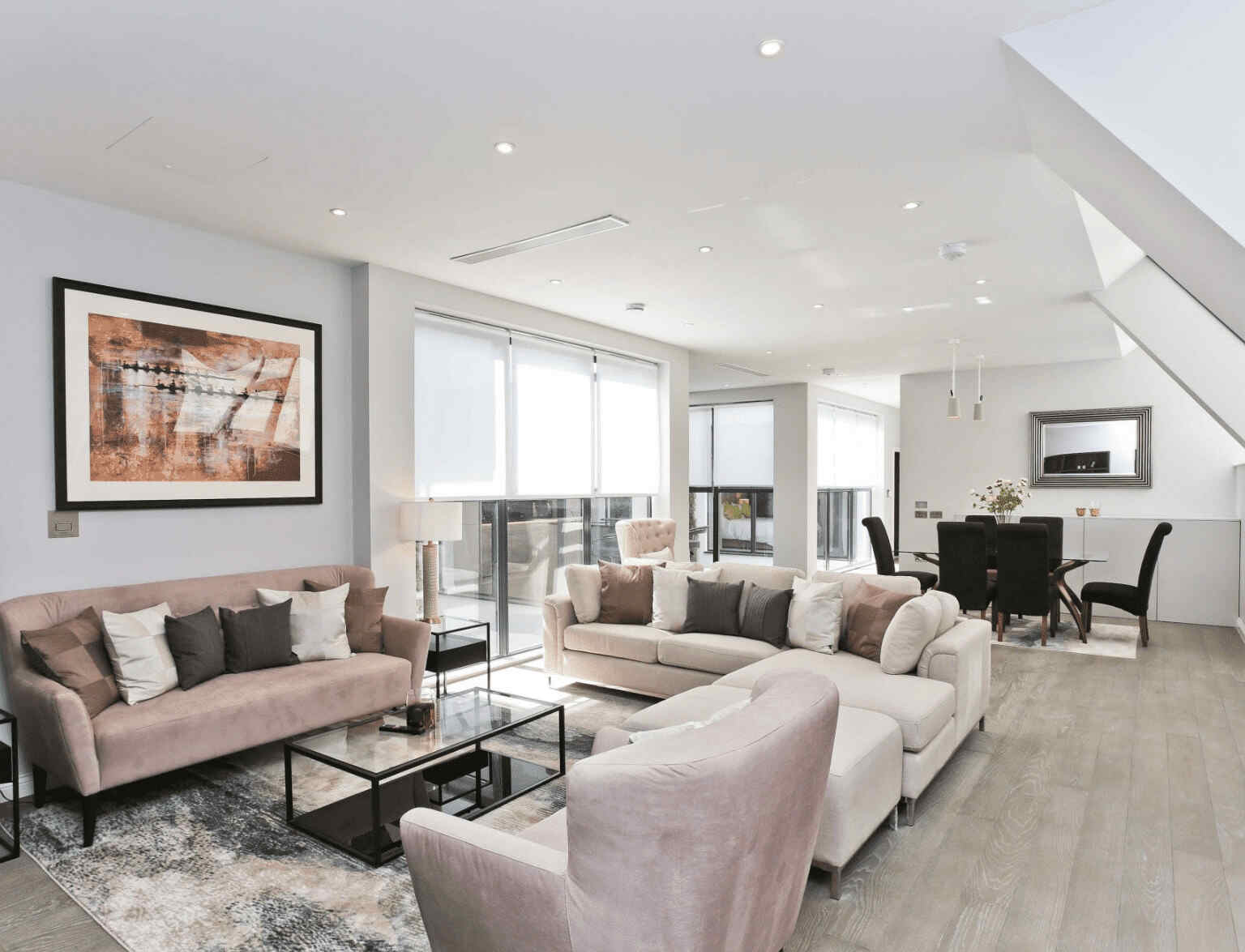
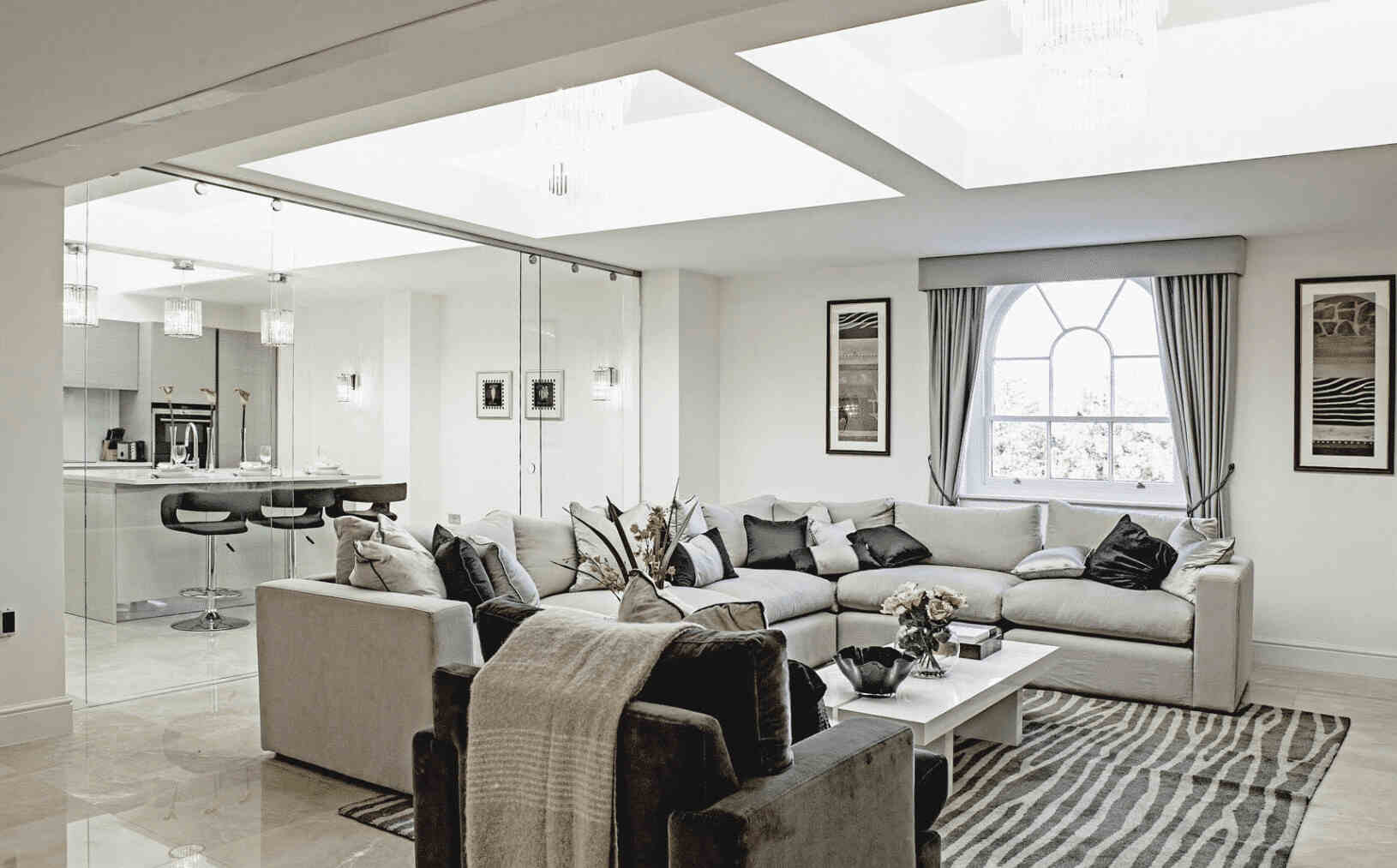
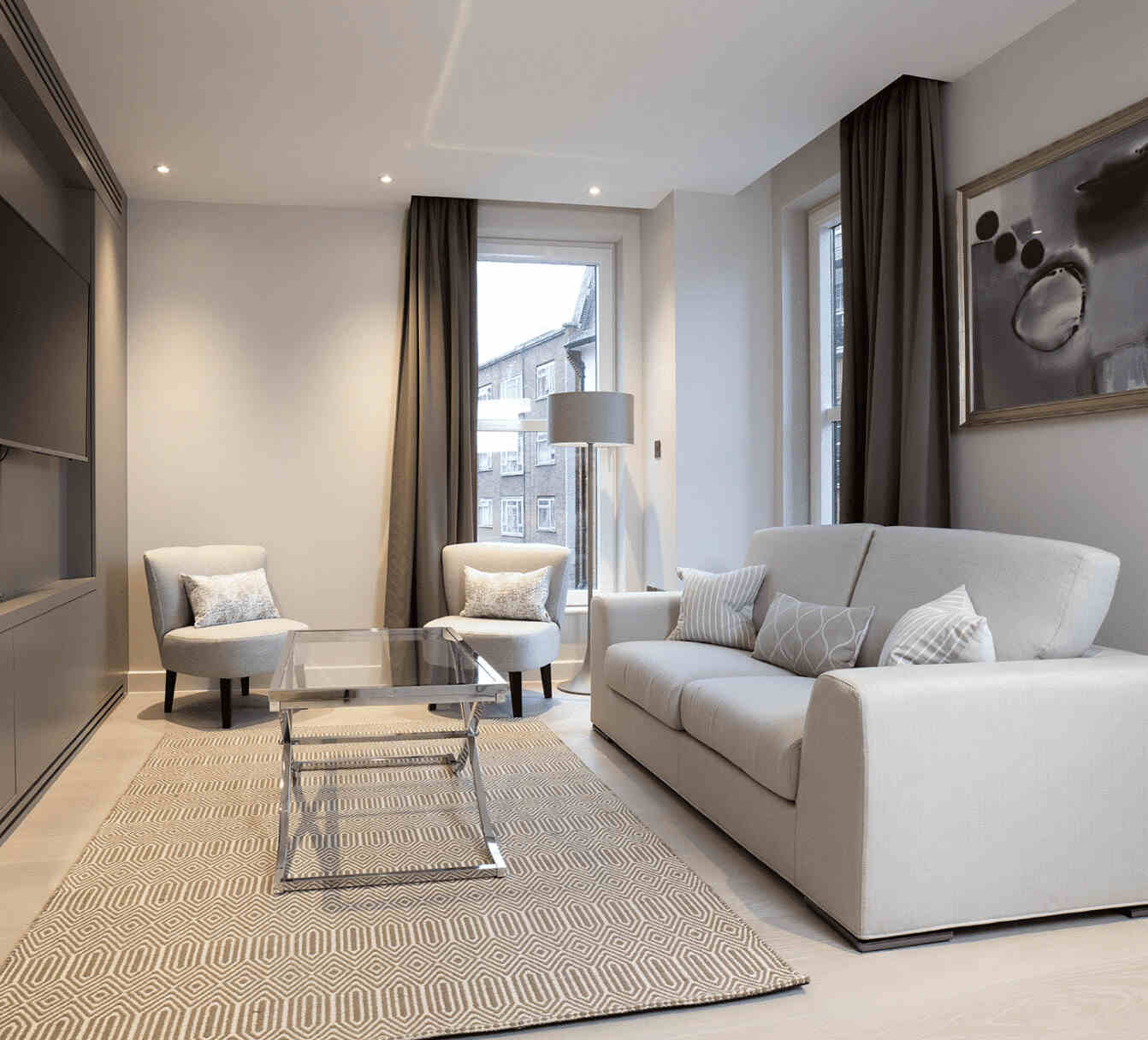
a Twickenham architecture firm that creates Elegant designs
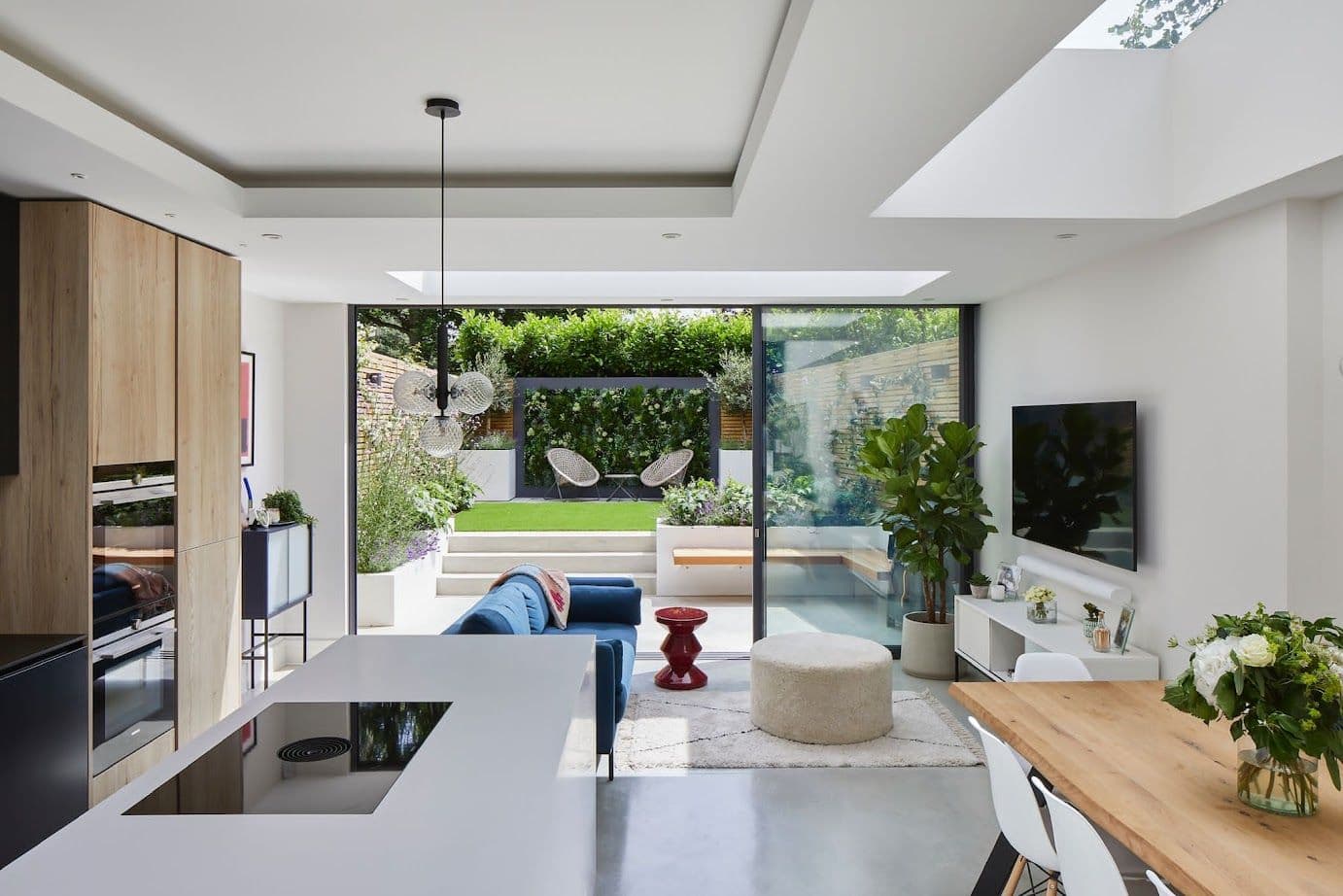
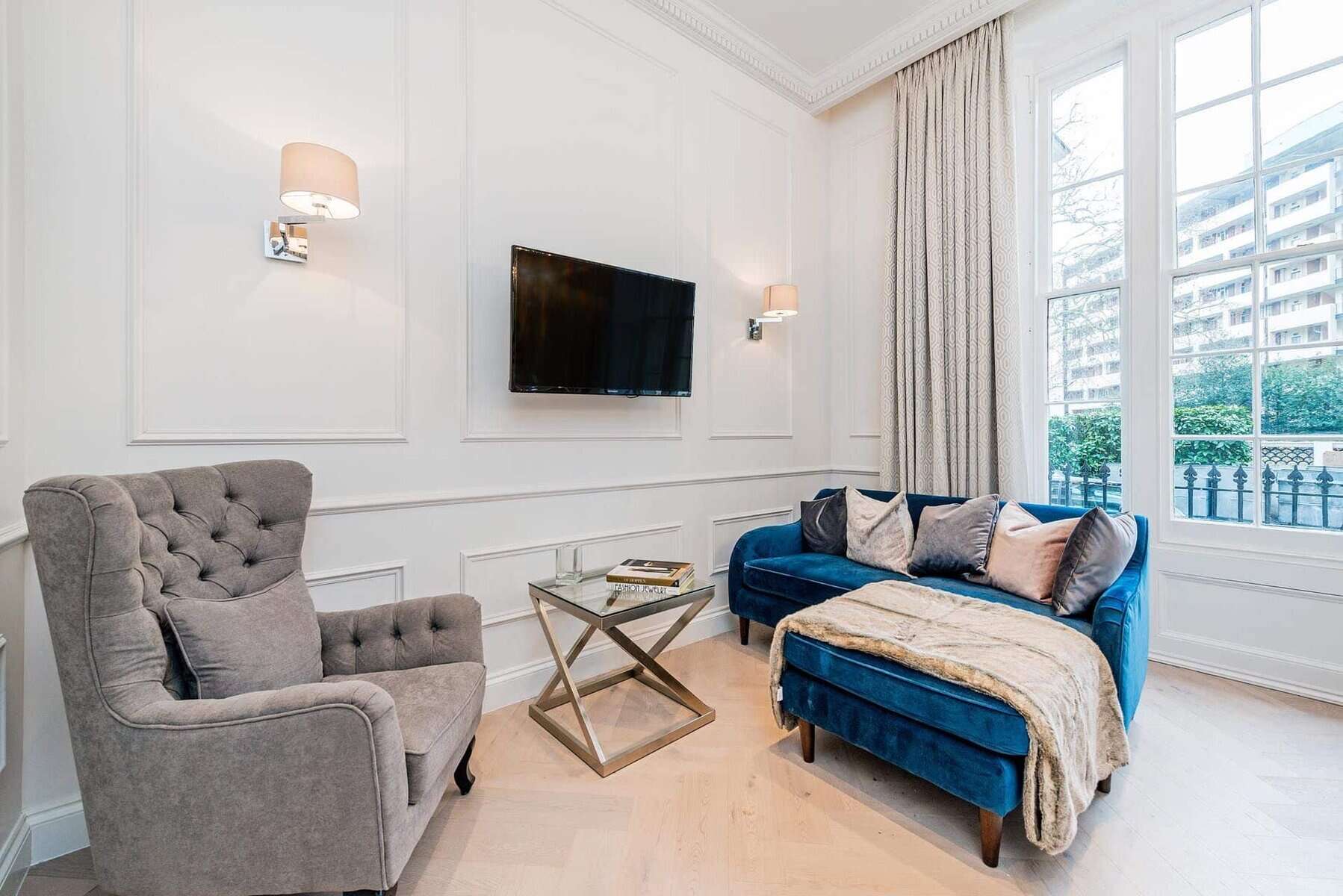
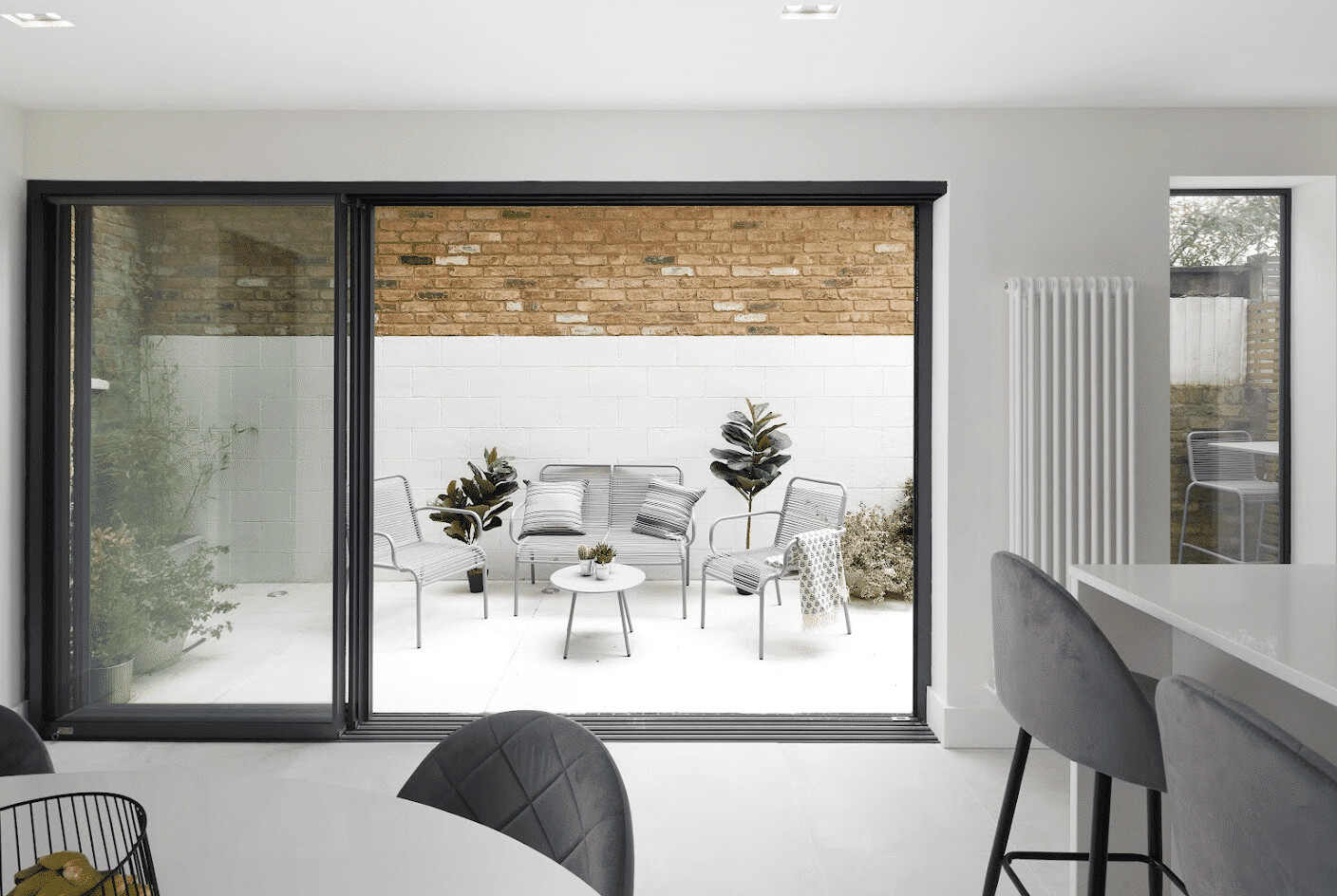
General information only. Planning and licensing rules change and depend on the individual property. This article is not legal or professional advice.
TWICKENHAM’S NEIGHBOURHOOD SHARE OF CIL: WHERE YOUR LEVY LEGALLY GOES
The tax with a local return
Build a new house in Twickenham and the Community Infrastructure Levy lands on the project. Same for an extension over 100 square metres where no exemption is claimed. And actually it’s two levies: Richmond’s borough CIL, plus the Mayor of London’s cut, which goes to transport and won’t be seen again. The borough levy is different, and the way we see it at Payte Architects London, the difference deserves more attention than it gets.
Buried in regulations 59A to 59F of the CIL Regulations 2010 is a rule ring-fencing a slice of every receipt for the area that took the development. The neighbourhood portion, they call it. 15% as standard, or 25% (uncapped) anywhere a made neighbourhood plan covers the site. Our observation, for what it’s worth: almost nobody paying this levy has heard of it, so the people with the strongest moral claim on the money never ask what happened to it.
So where does the money actually go?
In parished England it’s simple. Regulation 59A hands the cash to the parish council; regulation 59E claws it back if it’s misspent or sat on for five years. Twickenham has no parish, so regulation 59F applies: the council keeps the neighbourhood portion but must spend it in consultation with the community, on purposes wider than you’d guess — infrastructure, or “anything else that is concerned with addressing the demands that development places on an area.” From where we sit, that’s the most underused sentence in the regulations. A community room, play space, pretty much anything honestly traceable to development pressure.
What Richmond does in practice is run it through a Community Fund that community groups bid into: two stages, £20,000 minimum, pot divided by cluster area so Twickenham money broadly stays Twickenham-side. Past rounds refurbished the Heatham House skate park and improved Heathfield Recreation Ground. Reading the published awards, what struck us was how ordinary the winning projects were — lighting, tactile rails, a games area. An idea that feels too small to bother with probably isn’t.
Ham and Petersham, meanwhile, made a neighbourhood plan, so development inside their boundary generates the 25% share. Nobody has done the same for Twickenham.
We’d argue that’s a missed trick, and it compounds: every year without a made plan, the gap between the two percentages quietly leaks away.
Two things we notice people get wrong
Among those paying the levy, the recurring mistake we see in appeal decisions and council guidance is sequencing. The paperwork runs ahead of the spade: self-build homes, annexes and extensions can escape the levy, but the exemption is claimed, not automatic (forms via the Planning Portal), and the commencement notice has to be with the council before anything starts on site. Otherwise, on Richmond’s own blunt guidance: surcharges, interest, and the right to challenge the assessment is lost. We’ve come to think of CIL forms as sitting on the pre-start checklist next to building control notification, because the expensive CIL mistakes are nearly always administrative rather than architectural.
The other thing we notice is on the resident side: hardly anyone follows the money, though the trail is published. Councils must produce an annual infrastructure funding statement showing what came in and where it went, and Twickenham’s development is itemised in Richmond’s. A street that took the scaffolding and the parking suspension has, in the neighbourhood portion, a bit of the bargain written in its favour. The law left that door open on purpose. From what we can see, it mostly stays unwalked-through.
FAQ
Services
We offer a comprehensive suite of architectural services for Twickenham, our skilled architects each specialise in distinct disciplines. This diversity allows us to tailor our approach to meet the various facets of architectural design.